
ESG has become one of the most used and least understood terms in property. Environmental, social and governance is easy to claim and hard to prove, and the gap between a sustainability statement and a sustainable building can be wide. For investors, buyers and communities alike, the question that matters is not whether a developer talks about ESG, but whether ESG actually shapes what gets built.
Nexus Developments treats ESG as a set of commitments with numbers attached rather than a marketing posture. New dwellings target a 7–8 star NatHERS energy rating. The company has committed 600+ dwellings to the National Housing Accord. It builds NDIS Specialist Disability Accommodation designed around dignity. And it partners with the JGI Group on a mission of 100% literacy in disadvantaged communities, all within a long-horizon vision captured by the Ahimsa City concept.
This article unpacks what ESG property development looks like when it is real. It examines the environmental standard in the homes themselves, the social impact across housing and care, the JGI literacy partnership, and the long-term philosophy that ties it all together at Nexus Developments.
What ESG Should Mean in Property Development
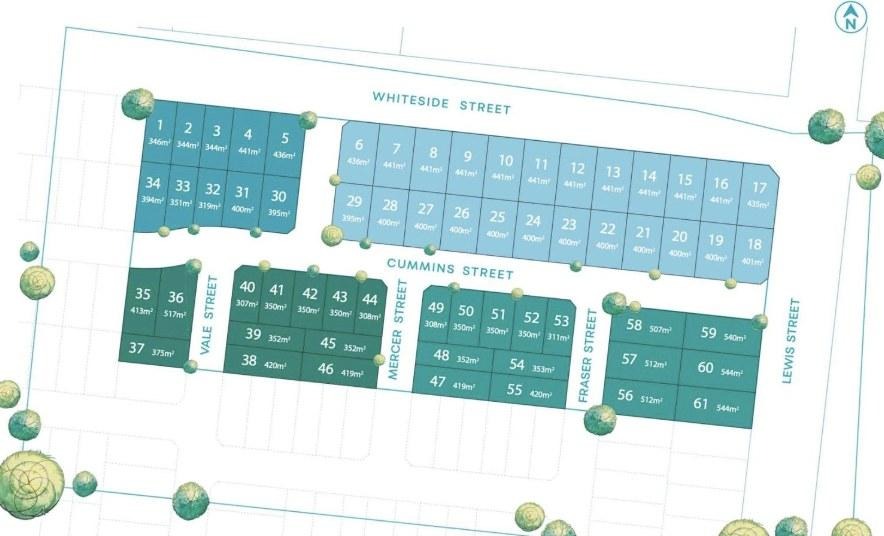
Masterplanned residential land where sustainability standards are applied from the outset.
ESG in property development covers three connected responsibilities. Environmental refers to how buildings affect the planet, through energy use, emissions and resource efficiency. Social refers to how development affects people, including affordability, accessibility and community wellbeing. Governance refers to how a developer is run, including transparency, accountability and ethical decision-making.
The reason ESG matters is that property is long-lived. A home built today will stand for decades, shaping its occupants’ bills, comfort and carbon footprint the whole time. Decisions made at the design stage are effectively locked in, so building responsibly is not a gesture; it is a durable outcome.
What separates genuine ESG from greenwashing is specificity. Anyone can claim to care about sustainability. A developer practising real ESG property development can point to measurable standards, and that is the test Nexus Developments sets for itself. The sections that follow examine each of those standards in turn, because the credibility of an ESG claim lives in the detail rather than the headline.
The Environmental Standard: 7-8 Star NatHERS

Well-designed interiors contribute to the thermal performance behind a strong NatHERS rating.
The clearest environmental commitment at Nexus Developments is the target of a 7–8 star NatHERS energy rating on new dwellings. NatHERS is the Nationwide House Energy Rating Scheme, Australia’s measure of a home’s thermal performance, and higher stars mean a home that needs less energy to stay comfortable.
A 7–8 star home is materially better than the minimum. It stays cooler in summer and warmer in winter with less heating and cooling, which lowers running costs for the people who live there and reduces emissions over the building’s life. This is sustainability that residents feel in their comfort and their bills, not just in a brochure.
Applied across a portfolio, that standard compounds. With residential work delivered through Nexus Communities and a commitment to hundreds of dwellings, the cumulative environmental benefit of building every home to a 7–8 star standard is substantial. It is the environmental backbone of ESG property development at Nexus Developments.
Why Star Ratings Matter
Energy ratings translate sustainability into something measurable and comparable. A 7–8 star NatHERS target gives buyers and investors a concrete benchmark rather than a vague promise, which is exactly what credible ESG requires.
Social Impact: 600+ Dwellings to the Housing Accord
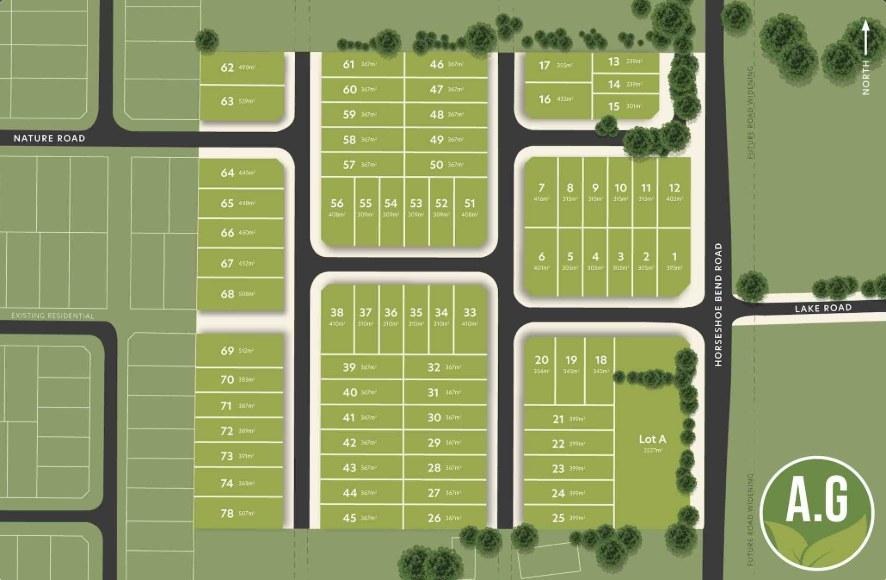
Residential land releases are the foundation of the 600+ dwelling Housing Accord commitment.
The social dimension of ESG begins with housing supply. Australia faces a genuine shortage of homes, and Nexus Developments has committed 600+ dwellings to the National Housing Accord, the national framework aimed at delivering the homes the country needs.
A commitment of this scale is social impact in its most direct form. More homes mean more families housed, and contributing 600+ dwellings places Nexus Developments among the developers actively answering the supply challenge rather than simply commenting on it.
This commitment also connects to the company’s founding purpose. The Nexus Developments tagline, “Building Sustainable Communities. Distributing Wealth,” frames housing as a means of widening opportunity, and a large Housing Accord commitment is one of the most tangible ways that purpose is expressed. It also signals that affordability and supply are treated as design objectives at Nexus Developments rather than afterthoughts bolted on once a project is already underway.
NDIS Accommodation and Dignity
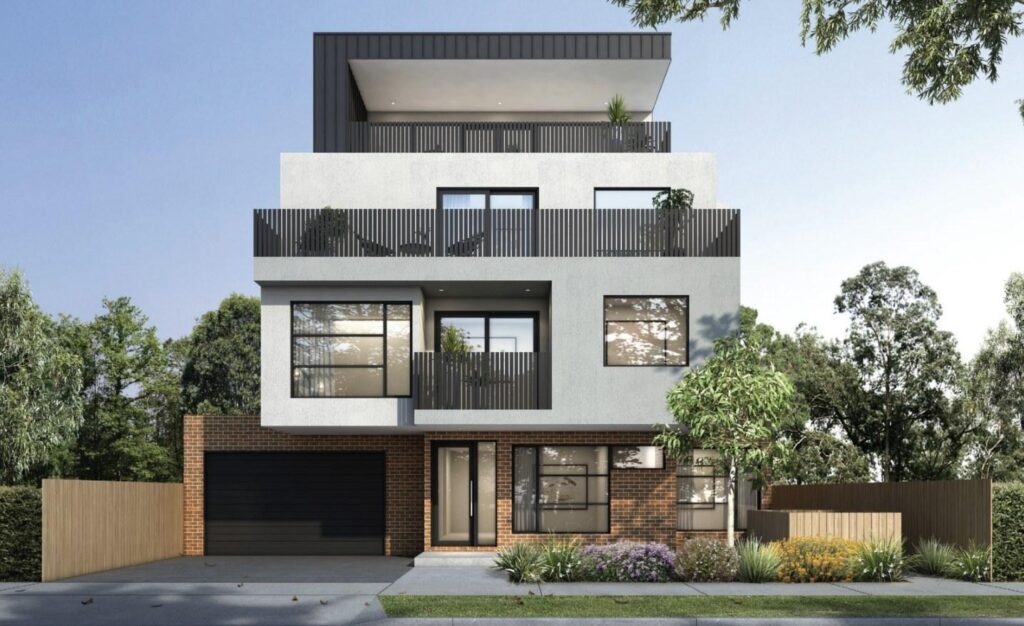
Mentone Mews, an SDA development designed around dignity and independence.
Social impact also means building for people who are too often overlooked. Through Nexus Care, Nexus Developments delivers NDIS Specialist Disability Accommodation designed around the principle of dignity, creating homes that support independence rather than merely housing residents.
The SDA pipeline at Nexus Developments is substantial. Across Ashburton SDA, Mentone Heights and Mentone Mews, the company has a total of 32 SDA apartments in its pipeline, representing $52M of combined Care gross realisation value. Mentone Mews alone provides 12 NDIS plus 1 Care apartments across three levels.
Designing for dignity is a meaningful ESG commitment because it puts the needs of vulnerable residents at the centre of the design. Accessible, well-considered homes change lives, and that human outcome is exactly what the social pillar of ESG is meant to capture.
The JGI Group Literacy Partnership
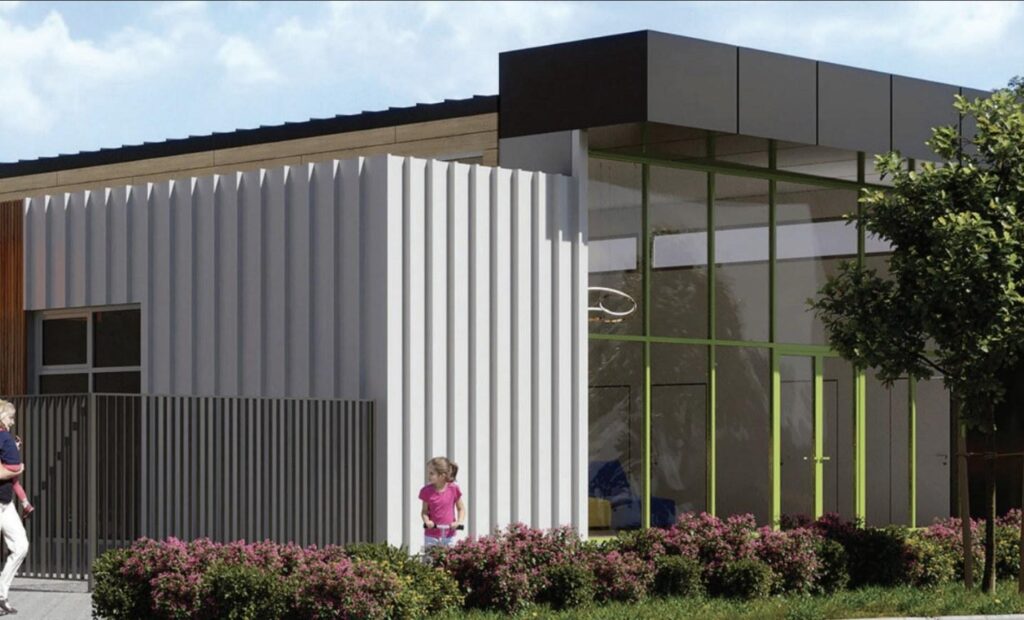
Education-focused projects mirror the literacy mission behind the JGI partnership.
Some of the most striking social impact at Nexus Developments reaches beyond property entirely. The company partners with the JGI Group on a mission of 100% literacy in disadvantaged communities, extending its commitment to social good into education.
Literacy is one of the most powerful levers for breaking cycles of disadvantage. A community where everyone can read and write has more opportunity, more participation and more resilience. By backing the JGI literacy mission, Nexus Developments connects its property work to a broader social purpose that outlasts any single project.
This partnership reflects how Nexus Developments interprets the social in ESG. It is not confined to the boundaries of a development site; it includes a genuine contribution to the wellbeing and capability of disadvantaged communities through the JGI Group.
Beyond the Building Site
The JGI literacy partnership shows that ESG, taken seriously, reaches past bricks and mortar. For Nexus Developments, social impact includes investing in the human capability of the communities it works within.
Governance as the Third Pillar

Larger projects such as Nexus Life Shepparton sit within a disciplined governance framework.
The G in ESG is the one developers most often neglect, yet it underpins the credibility of the other two. Without strong governance, environmental and social claims are just words. Nexus Developments anchors its governance to independent partners and disciplined reporting.
Colliers provides advisory and market intelligence, while Maddocks handles legal, planning and compliance, supported by a wider network of specialist consultants. Nexus Developments also maintains quarterly investor reporting, giving capital partners regular, structured visibility into how the portfolio performs.
This governance discipline is what makes the rest of the ESG story believable. When a developer is transparent and accountable, its environmental and social commitments carry weight, because they sit inside a system that holds the business to account.
The Long-Horizon Vision: Ahimsa City

Mixed-use precinct concepts hint at the integrated, long-horizon thinking behind Ahimsa City.
ESG at its most ambitious is about the long term, and the long-horizon vision at Nexus Developments is captured in the Ahimsa City concept: a sustainable masterplanned development built around the principle of ahimsa, or non-violence.
Ahimsa City is a statement of where the philosophy of Nexus Developments ultimately points. It imagines development conducted in harmony with people and the environment, a sustainable community designed around a deeply held ethical principle rather than short-term return alone.
While such a vision is long-term by nature, it shapes decisions today. The 7–8 star NatHERS homes, the Housing Accord commitment, the dignity-focused SDA, and the JGI literacy partnership are all steps consistent with the Ahimsa City direction, giving the ESG work at Nexus Developments a coherent destination.
Why Real ESG Benefits Everyone
Genuine ESG property development is not a cost to be tolerated; it is value to be captured. Energy-efficient homes are cheaper to run and more comfortable. Social commitments build trust and stronger communities. Strong governance reduces risk. Each pillar reinforces the others.
For investors, ESG-aligned development tends to be more durable and better positioned for the future. For buyers and residents, it means better homes and more livable communities. For the wider public, it means responsible growth. These interests align rather than compete, which is why ESG sits at the centre of how Nexus Developments operates.
The full breadth of this approach is visible across the portfolio of Nexus Developments, which spans $400M+ over 16 projects in 7 sectors. You can explore that work on the All Projects page, where the environmental, social and governance commitments described here take concrete form.
Frequently Asked Questions
What does ESG mean in property development?
ESG stands for environmental, social and governance. In property it covers how buildings affect the planet, how development affects people, and how transparently and ethically a developer is run. Nexus Developments treats all three as measurable commitments rather than marketing.
What is a 7-8 star NatHERS rating?
NatHERS is the Nationwide House Energy Rating Scheme, Australia’s measure of a home’s thermal performance. A 7-8 star rating, which Nexus Developments targets on new dwellings, means a home that needs less energy to stay comfortable, lowering running costs and emissions.
How is Nexus Developments contributing to housing supply?
Nexus Developments has committed 600+ dwellings to the National Housing Accord, the national framework for delivering the homes Australia needs. This is one of the most direct expressions of its social impact commitment.
What is the JGI Group literacy partnership?
Nexus Developments partners with the JGI Group on a mission of 100% literacy in disadvantaged communities. It extends the company’s social commitment beyond property into education, recognising literacy as a powerful lever against disadvantage.
What is Ahimsa City?
Ahimsa City is the long-horizon vision of Nexus Developments: a sustainable masterplanned development built around the principle of ahimsa, or non-violence. It represents development conducted in harmony with people and the environment and gives the company’s ESG work a long-term destination.
About Nexus Developments
Nexus Developments is a leading multi-sector property development company based in Melbourne, Australia, with a project pipeline of over $400 million across residential, NDIS Specialist Disability Accommodation, Montessori childcare, education and commercial real estate. Founded by Bhupendra (Ben) Sethia — a 25-year industry leader and Founder Chairman of JITO Australia — Nexus Developments operates with institutional-grade governance, partnerships with Colliers and Maddocks, a 7-8 star NatHERS energy standard on every new dwelling, and a commitment to contribute more than 600 dwellings to the National Housing Accord.
Across Nexus Communities, Nexus Care, Nexus Learning, Nexus Commercial and the Nexus Wealth Fund, Nexus Developments delivers projects designed to compound long-term value for investors and communities alike. Whether you are an investor seeking exposure to Melbourne property development, a first-home buyer looking at Melbourne growth corridors, a family considering NDIS-accredited Specialist Disability Accommodation, or a landowner looking for a delivery partner, Nexus Developments has a pathway for you.
Take the next step with Nexus Developments
→ Explore current Nexus Developments projects across Melbourne and regional Victoria
→ Register your interest in a Nexus Developments residential community
→ Speak to our investor relations team about the Nexus Wealth Fund
→ Learn how Nexus Care designs SDA housing built for independence
→ Read more insights and market intelligence from the Nexus team
Building Sustainable Communities · Distributing Wealth
Nexus Developments APAC · nexusdevelopments.com.au · info@nexusdevelopments.com.au
Disclaimer: This article is general information only and does not constitute financial, investment, legal or tax advice. Investments in Nexus Wealth Fund products are available to wholesale and sophisticated investors as defined under the Corporations Act 2001 (Cth). Past performance is not a reliable indicator of future performance. Renders are artist impressions and indicative only.