

Is NDIS housing investment in Australia the most misunderstood opportunity in the property market today?
NDIS housing investment Australia wide has attracted growing attention from sophisticated property investors looking beyond traditional residential returns. Specialist Disability Accommodation (SDA) sits within the National Disability Insurance Scheme framework and represents a government-backed segment of the property market designed to address a critical national housing shortfall for people with significant disabilities.
According to the National Disability Insurance Agency (NDIA) Australia continues to face a substantial undersupply of purpose-built SDA dwellings, with demand from eligible NDIS participants far exceeding available stock across most states and territories.
At Nexus Developments our Nexus Care portfolio includes purpose-built NDIS properties across Melbourne’s established suburbs, designed to meet both participant needs and investor requirements simultaneously.
This blog explains how NDIS housing investment works, what distinguishes high-quality SDA stock, and what investors should look for before entering this market.
What Is Specialist Disability Accommodation and How Does It Relate to NDIS?

Specialist Disability Accommodation is a specific housing category within the NDIS framework. It refers to dwellings purpose-built or significantly modified to meet the needs of people with extreme functional impairment or very high support needs.
SDA is not standard accessible housing. It is purpose-designed accommodation that enables eligible participants to live more independently whilst receiving support from in-home carers. The NDIS funds the accommodation component directly to approved SDA providers, creating a stable, government-backed rental income stream.
Key SDA design categories include:
- Improved Liveability: Designed to improve the amenity of residents, including sensory or cognitive impairment features.
- Fully Accessible: Incorporates full wheelchair accessibility, wider corridors, and accessible bathrooms throughout.
- Robust: Built to withstand heavy use, with reinforced materials and design elements suited to residents with complex needs.
- High Physical Support: Highest specification category, including ceiling hoists, backup power, and emergency communication systems.
Understanding which category a property falls into is fundamental to assessing both participant suitability and investment positioning.
Why Demand for SDA Housing Continues to Outpace Supply
Australia’s SDA housing market faces a structural supply shortfall that is unlikely to resolve quickly. Several factors drive sustained demand:
- Ageing NDIS participant base: As the scheme matures, more participants are assessed as requiring SDA-eligible housing rather than mainstream accommodation.
- Existing institutional housing transitions: Government policy actively encourages movement away from large residential care facilities into community-based SDA housing.
- Low new supply pipeline: SDA-compliant construction is specialised and capital-intensive, limiting the number of developers able to deliver to standard.
- Geographic concentration of demand: Demand is concentrated in established Melbourne suburbs near support networks, schools, and medical services, exactly where Nexus develops.
This supply-demand imbalance is structural rather than cyclical. It is created by policy design, demographic trends, and genuine construction complexity, not short-term market fluctuations.
How NDIS Property Investment Works for Property Investors
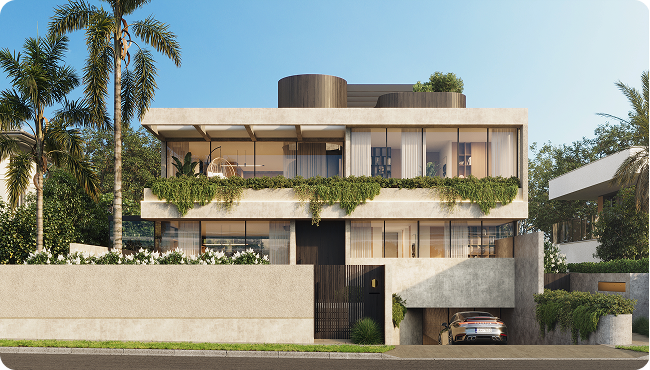
Investing in NDIS property differs from standard residential investment in several important respects. Understanding these differences helps investors make informed decisions.
The core income structure:
- NDIA payments: The NDIS directly funds SDA accommodation payments to registered providers on behalf of eligible participants, creating a non-market-dependent income stream.
- Registered provider model: Investors typically partner with or lease to a registered SDA provider who manages tenancy and compliance obligations.
- Long tenancy terms: SDA participants generally maintain long-term tenancies due to the specialised nature of their accommodation needs.
- Vacancy risk profile: Vacancy risk differs from standard residential property, with demand driven by assessed need rather than lifestyle preference.
Note: SDA income structures vary by property type, location, and participant category. Independent financial advice is recommended before committing to any SDA investment.
What Makes a High-Quality SDA Property?
Not all properties marketed as NDIS-compliant are equal in build quality, location, or long-term suitability. Investors should apply rigorous assessment criteria.
Quality indicators for SDA investment property:
- NDIS registration compliance: The property and its provider must be registered with the NDIA. Unregistered properties are not eligible for SDA funding.
- Design standard certification: Properties must meet the relevant SDA Design Standard for their category, independently certified before NDIS funding is approved.
- Location relative to support services: Properties near hospitals, therapy providers, public transport, and community services attract and retain participants more effectively.
- Build quality and durability: SDA properties experience higher usage intensity than standard residential. Superior construction quality reduces maintenance costs and extends asset life.
- Developer track record in SDA: Purpose-built SDA requires specialised design knowledge. Developers without a track record in this space carry higher delivery risk.
Nexus Developments has delivered SDA properties across Ashburton and Mentone, purpose-built to SDA Design Standards and located within established Melbourne suburbs with strong access to support networks.
Nexus Care: Purpose-Built NDIS Housing Across Melbourne
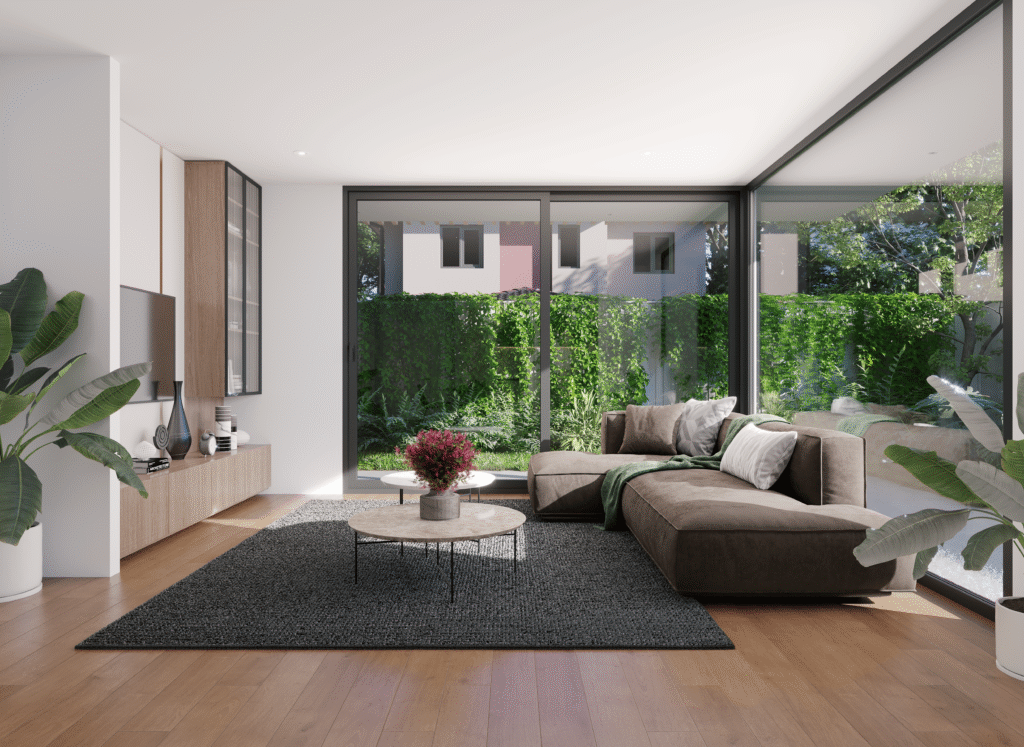
The Nexus Care portfolio represents Nexus Developments’ commitment to delivering specialist disability accommodation that serves both community need and investment performance.
Current and completed Nexus Care projects include:
- Ashburton Residences: Ten purpose-built SDA apartments across three storeys, including high physical support and improved liveability categories. Located near Ashburton Village, library, and Chadstone.
- Mentone Heights: A mixed development combining standard townhouses with NDIS-specific units, positioned within Mentone’s established community infrastructure.
- Mentone Mews: A dedicated SDA development delivering additional NDIS housing within the Mentone suburb, reinforcing Nexus’s concentration of purpose-built stock in high-demand inner-south Melbourne.
Each Nexus Care property is designed from the ground up to SDA Design Standards, not retrofitted from standard residential stock. This distinction matters for both participant outcomes and long-term investment durability.
Explore the full Nexus Care NDIS housing portfolio to understand what purpose-built specialist disability accommodation looks like in practice.
Key Considerations Before Investing in NDIS Property
NDIS housing investment offers distinct characteristics compared to standard residential property. Investors should approach due diligence with the same rigour applied to any specialist asset class.
Important pre-investment considerations:
- Understand the regulatory environment: SDA funding rules, design standards, and eligibility criteria are subject to policy review. Staying informed about NDIA updates is essential.
- Assess the registered provider relationship: The provider managing your property significantly influences tenancy outcomes, compliance maintenance, and participant experience.
- Review the lease structure carefully: Understand whether your investment is structured as a direct lease to a provider, a property management arrangement, or a co-investment model.
- Seek independent financial and legal advice: NDIS investment structures are specialist in nature. Generic property investment advice may not account for SDA-specific risks and obligations.
- Prioritise build quality and location: These remain the two most durable value drivers in any specialist accommodation investment.
NDIS housing investment in Australia represents a genuine intersection of social impact and property investment. When approached with the right knowledge and the right developer, it delivers for participants and investors alike.
Interested in NDIS housing investment in Australia backed by a developer with proven SDA delivery? Explore Nexus Care specialist disability accommodation across Melbourne’s inner-south suburbs. Nexus also offers Project Management services and Land Lease options for flexible property solutions. Contact info@nexusdevelopments.com.au or call +61 3 9460 1865.
Note: All references to SDA funding, design categories, and investment structures are provided for general information only. NDIS rules and SDA funding parameters are subject to change by the NDIA. Independent financial and legal advice should be sought before making any investment decision.