
Property development is often framed as a question of vision, design and timing. Those things matter, but the projects that endure share a less glamorous foundation: rigorous governance. Strong property development governance is what separates a speculative idea from an institutional-grade business, and it is the difference between a developer who hopes the numbers work and one who can demonstrate, line by line, that they do.
At Nexus Developments, governance is treated as core infrastructure rather than an afterthought. The company runs a pipeline of $400M+ across 16 projects in 7 sectors, and a portfolio of that size and complexity simply cannot be managed on instinct. It demands independent market intelligence, disciplined legal and planning oversight, and a reporting cadence that keeps investors informed at every stage. Two partners sit at the centre of that framework: Colliers, who provide advisory and market intelligence, and Maddocks, who handle legal, planning and compliance.
This article explains what institutional-grade governance actually looks like in practice, why Nexus Developments built its model around Colliers and Maddocks, how the wider advisory network supports delivery, and why this kind of structure ultimately de-risks development for everyone involved.
What Governance Means in Property Development

Lune Black Rock, one of the bayside luxury projects governed under the Nexus Developments framework.
Governance is the system of controls, checks and accountabilities that guide how decisions are made and how risk is managed across a project’s life. In property development, that means feasibility discipline, planning compliance, financial reporting, legal structuring and independent verification of the assumptions a project rests on. Good governance does not slow a project down; it removes the surprises that would otherwise derail it later.
For a multi-sector developer, governance also has to scale across very different asset types. Nexus Developments operates in residential masterplanned estates, NDIS Specialist Disability Accommodation, childcare and education, medical centres, mixed-use precincts, and funds management. Each of those sectors carries its own regulatory regime, and the governance framework has to be robust enough to hold all of them to the same standard.
That is why Nexus Developments anchors its governance to external, independent specialists rather than relying solely on in-house judgement. Independence is the point: an advisor who has no stake in a particular outcome can tell you the uncomfortable truth before it becomes an expensive one.
Why Independent Partners De-Risk Development
Every developer believes in its own projects. That belief is necessary, but it is also a risk. Optimism can quietly inflate sales assumptions, compress timelines and underweight planning hurdles. Independent partners exist to apply friction to that optimism, and the result is a more defensible business plan.
When a project is stress-tested by an external advisor before capital is committed, weak assumptions surface early, when they are cheap to fix. By the time a project reaches construction, the questions an investor would ask have already been asked and answered. This is the quiet logic behind the Nexus Developments governance model: de-risking is cheapest at the front end.
It is also why Nexus Developments treats its advisory relationships as long-term rather than transactional. Continuity means partners understand the full portfolio context, not just a single deal, and can spot where one project’s risk profile affects another. You can see how this discipline plays out across the live portfolio on the All Projects page.
Colliers: Advisory and Market Intelligence
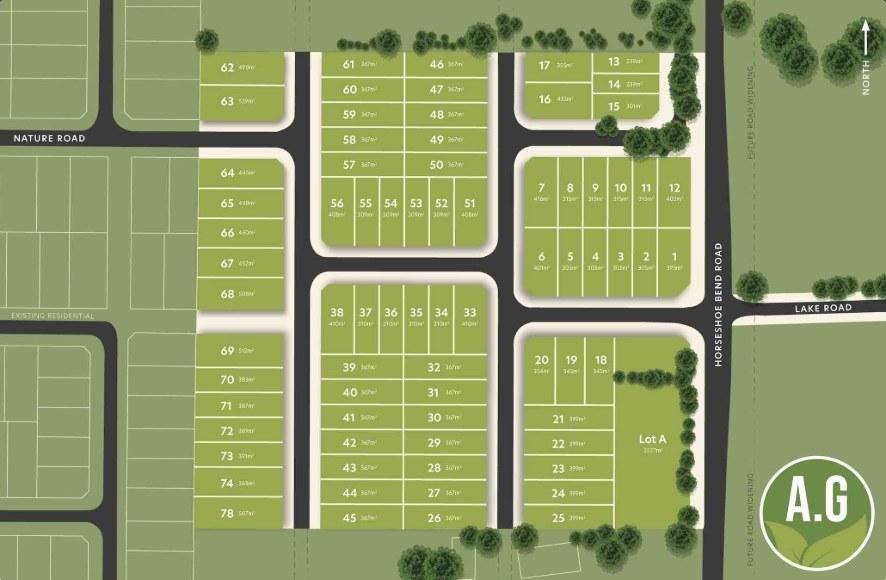
Armstrong Grove, a 75-lot subdivision where market intelligence informs staging and pricing.
Colliers is one of the world’s leading commercial real estate advisory firms, and within the Nexus Developments framework they provide advisory and market intelligence. That role is foundational because it grounds every feasibility study in independent, current data rather than internal assumptions.
Market intelligence answers the questions that determine whether a project should proceed at all. What is genuine demand in this corridor? What are comparable sales and rental benchmarks? How is supply moving in the relevant sector? When Nexus Developments evaluates a residential estate, a retirement community or a mixed-use precinct, the advisory input from Colliers helps calibrate pricing, absorption and timing against the real market rather than a hopeful one.
This intelligence is especially valuable in growth corridors where conditions change quickly. A 75-lot project like Armstrong Grove on Bend Road in Armstrong Creek, or a masterplanned estate in Melbourne’s northern corridor, lives or dies on accurate read of demand. Independent advisory keeps those reads honest.
From Data to Decisions
Market intelligence only matters if it changes decisions. Within the Nexus Developments process, advisory findings feed directly into go/no-go calls, staging plans and pricing strategy, so the data does real work rather than sitting in a report.
Maddocks: Legal, Planning and Compliance
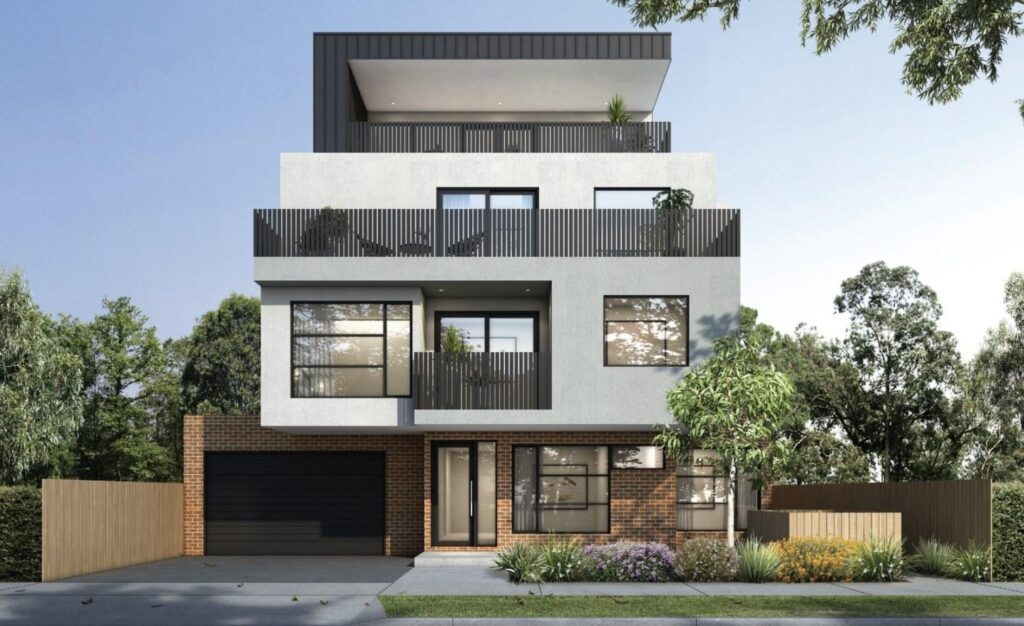
Mentone Mews, an SDA project where legal and compliance rigour is essential.
If Colliers answers whether a project makes commercial sense, Maddocks helps ensure it stands up legally. As the legal, planning and compliance partner to Nexus Developments, Maddocks is one of Australia’s established law firms with deep expertise in property, planning and government.
Planning is frequently the single largest source of risk and delay in Australian development. Permits, overlays, zoning, and conditions of approval can reshape a project’s economics overnight. Having a dedicated planning and legal partner means these issues are identified, navigated and resolved with specialist rigour rather than improvised in-house.
Compliance is the other half of the mandate. Across regulated sectors such as NDIS Specialist Disability Accommodation through Nexus Care and education through Nexus Learning, the legal and compliance requirements are demanding and non-negotiable. The Maddocks relationship gives Nexus Developments the structure to meet those obligations consistently across the portfolio.
The Wider Advisory Network
Colliers and Maddocks sit at the centre of the framework, but they are supported by a deliberately chosen network of specialist consultants. ASK Planning Services and Hellier McFarland contribute planning and design expertise; MAK Engineering Solutions provides engineering capability; BEN & BEN, MUSK and White Chalk Design support design and brand; and Z Real Estate and Positive Real Estate contribute sales and market reach.
The value of a network like this is depth. No single firm is expected to cover every discipline, so each project draws on the right specialist at the right stage. This mirrors how institutional developers operate, and it is part of what makes the Nexus Developments model institutional-grade rather than entrepreneurial in the narrow sense.
Coordinating that network is itself a governance task. Nexus Developments runs full-lifecycle delivery in-house through Nexus Project Management, which keeps the consultants aligned to a single program, budget and standard across all 16 projects.
Quarterly Investor Reporting

Nexus Life Shepparton, an $42M retirement community reported on through the quarterly cadence.
Governance is meaningless if investors cannot see it. That is why Nexus Developments maintains a discipline of quarterly investor reporting, giving capital partners regular, structured visibility into how the portfolio is performing against plan.
Quarterly reporting forces a rhythm of accountability. Every three months, project progress, financial position and key risks are documented and communicated. This cadence is standard practice in institutional funds management, and applying it across a property development portfolio signals that Nexus Developments expects to be held to the same standard as an institutional manager.
For the funds offered through the Nexus Wealth Fund — comprising the Equity Fund, the Income Stream and Capital Growth Fund, and the Absolute Return Fund — this reporting discipline is particularly important. Those products are available to wholesale and sophisticated investors only, and that audience rightly expects transparency as a baseline condition of trust.
Why Cadence Builds Trust
Trust in development is built through consistency, not promises. A predictable reporting cadence means investors are never left guessing, and small issues are surfaced and addressed long before they compound.
How Governance Shows Up Across Seven Sectors
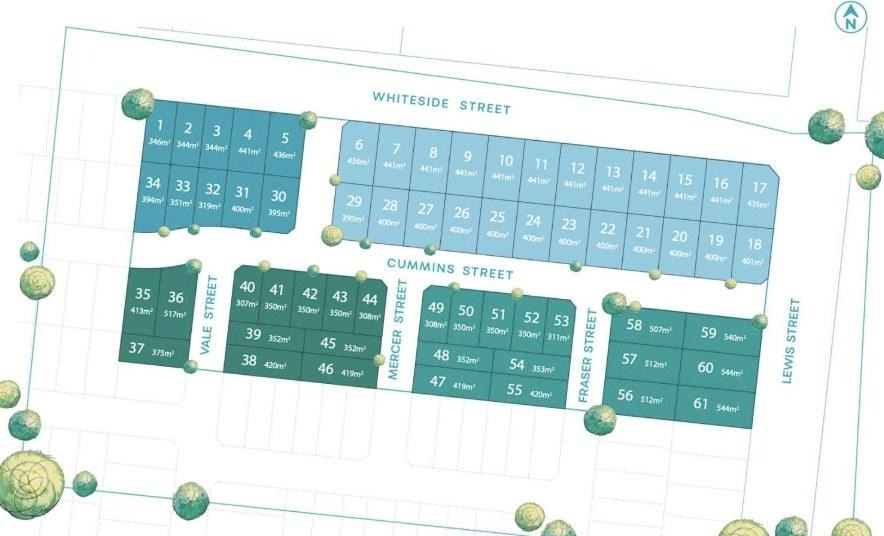
The Clan Estate in Beveridge, a completed residential project delivered under the same governance standards.
The real test of a governance framework is whether it holds across genuinely different businesses. Nexus Developments spans seven verticals, and each draws on the same core controls while respecting sector-specific rules.
In residential, governance means accurate feasibility and disciplined staging across estates such as The Clan Estate in Beveridge and Armstrong Grove in Armstrong Creek. In care, it means meeting the strict standards attached to NDIS Specialist Disability Accommodation. In learning, it means satisfying the regulatory requirements of childcare and schooling. In commercial, funds, EquiHomes and project management, the same principle applies: independent oversight, specialist input, and regular reporting.
This consistency is what allows Nexus Developments to operate credibly across so many sectors at once. Without a unifying governance framework, a multi-sector pipeline becomes a collection of unrelated risks. With one, it becomes a managed portfolio.
What This Means for Investors and Buyers
For an investor, governance is a proxy for reliability. The presence of partners like Colliers and Maddocks, a structured advisory network, and quarterly reporting tells you that capital is being managed within a disciplined system rather than at the discretion of a single individual.
For a homebuyer or a tenant, governance shows up as projects that get built to standard and on plan. A 7–8 star NatHERS energy rating, a completed estate, a delivered SDA apartment: these outcomes are the visible end of an invisible system of controls.
Ultimately, governance is how Nexus Developments turns its tagline, “Building Sustainable Communities. Distributing Wealth,” into something measurable. You can read more about the people and principles behind that model on the About Us page, and the governance framework is what makes those commitments durable rather than aspirational.
Frequently Asked Questions
What is property development governance?
Property development governance is the system of controls, checks and accountabilities that guide decision-making and risk management across a project. At Nexus Developments it includes independent market intelligence, legal and planning oversight, specialist advisory input, and quarterly investor reporting.
Why does Nexus Developments work with Colliers?
Colliers provides advisory and market intelligence to Nexus Developments. Their independent data and analysis ground every feasibility study in real market conditions, helping calibrate demand, pricing and timing rather than relying on internal assumptions.
What role does Maddocks play?
Maddocks is the legal, planning and compliance partner to Nexus Developments. They help navigate planning permits, zoning and regulatory requirements, and ensure compliance across regulated sectors such as NDIS accommodation and education.
How often does Nexus Developments report to investors?
Nexus Developments maintains a discipline of quarterly investor reporting, providing structured visibility into portfolio performance, financial position and key risks every three months. This cadence is standard in institutional funds management.
Does good governance really reduce development risk?
Yes. Independent partners apply friction to optimistic assumptions early, when they are cheap to fix. Stress-testing feasibility before capital is committed, navigating planning with specialists, and reporting regularly all reduce the chance of expensive surprises later.
About Nexus Developments
Nexus Developments is a leading multi-sector property development company based in Melbourne, Australia, with a project pipeline of over $400 million across residential, NDIS Specialist Disability Accommodation, Montessori childcare, education and commercial real estate. Founded by Bhupendra (Ben) Sethia — a 25-year industry leader and Founder Chairman of JITO Australia — Nexus Developments operates with institutional-grade governance, partnerships with Colliers and Maddocks, a 7-8 star NatHERS energy standard on every new dwelling, and a commitment to contribute more than 600 dwellings to the National Housing Accord.
Across Nexus Communities, Nexus Care, Nexus Learning, Nexus Commercial and the Nexus Wealth Fund, Nexus Developments delivers projects designed to compound long-term value for investors and communities alike. Whether you are an investor seeking exposure to Melbourne property development, a first-home buyer looking at Melbourne growth corridors, a family considering NDIS-accredited Specialist Disability Accommodation, or a landowner looking for a delivery partner, Nexus Developments has a pathway for you.
Take the next step with Nexus Developments
→ Explore current Nexus Developments projects across Melbourne and regional Victoria
→ Register your interest in a Nexus Developments residential community
→ Speak to our investor relations team about the Nexus Wealth Fund
→ Learn how Nexus Care designs SDA housing built for independence
→ Read more insights and market intelligence from the Nexus team
Building Sustainable Communities · Distributing Wealth
Nexus Developments APAC · nexusdevelopments.com.au · info@nexusdevelopments.com.au
Disclaimer: This article is general information only and does not constitute financial, investment, legal or tax advice. Investments in Nexus Wealth Fund products are available to wholesale and sophisticated investors as defined under the Corporations Act 2001 (Cth). Past performance is not a reliable indicator of future performance. Renders are artist impressions and indicative only.