

Is building a new home in Victoria more complex than you expected, and are you confident you know what to watch for before signing a building contract?
New home builds in Victoria represent one of the most significant financial commitments most people make in their lifetime. When managed well, the process delivers a home precisely tailored to your household’s needs, built to modern energy and safety standards, with the benefit of new home warranties that established properties cannot offer. When managed poorly, the same process can involve costly disputes, quality shortfalls, and timelines that stretch well beyond initial expectations.
According to the Victorian Building Authority (VBA) domestic building is the single largest category of building activity in Victoria by volume, and it is also the source of the most consumer complaints related to construction quality, contract disputes, and incomplete works.
At Nexus Developments our house and land packages at Armstrong Grove and Allemore pair a titled or to-be-titled lot with a building contract structured for buyer protection, fixed pricing, and 7-8 star energy performance as standard.
This blog provides a clear guide to what new home builds in Victoria involve, how to protect yourself through the process, and what distinguishes a well-structured build from a problematic one.
How the New Home Build Process Works in Victoria
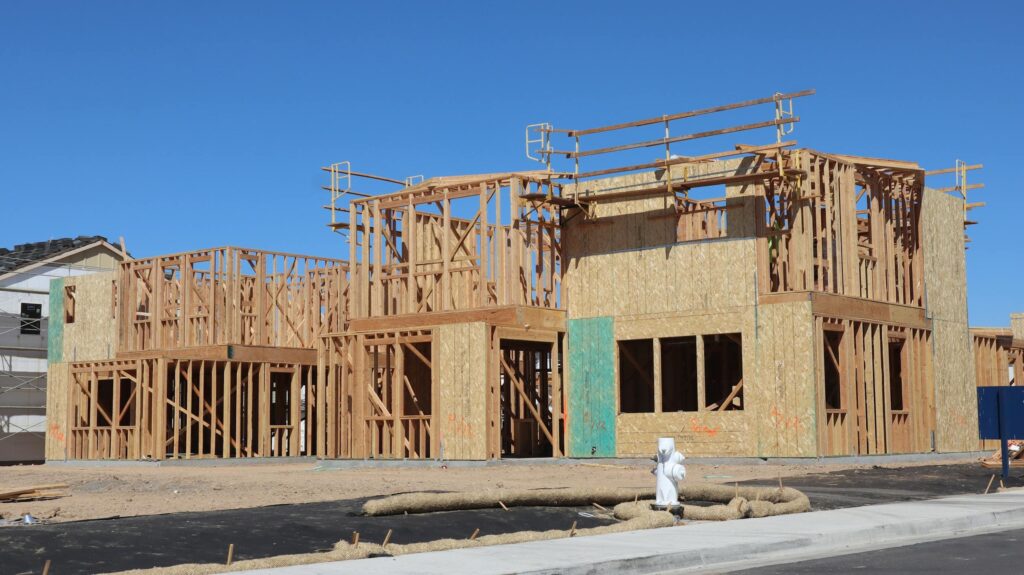
Understanding the sequence of a new home build in Victoria helps buyers plan their finance, manage their expectations, and identify when things are not progressing as they should.
The standard new home build sequence:
- Pre-site preparation: Soil testing, site survey, engineering design for the slab and frame, and council approval processes occur before any physical construction commences.
- Base stage: Slab or footings are poured and the structural foundation is complete. This is typically the first progress payment milestone under a construction loan.
- Frame stage: The timber or steel frame is erected and inspected by a building surveyor. Frame stage completion is a major milestone reflecting the home’s physical structure taking shape.
- Lock-up stage: External walls, roof, windows, and external doors are in place, allowing the interior to be secured from the elements. This stage typically triggers another construction payment.
- Fixing stage: Internal fit-out including plasterboard, internal doors, kitchen cabinetry, and floor coverings are installed. Trades including electricians and plumbers complete rough-in and fit-off work.
- Practical completion: Final inspections are carried out, the Certificate of Occupancy is issued, and the home is handed over to the buyer. Any defects identified at the final inspection should be documented and rectified before keys are handed over.
What Your Building Contract Should Include
A building contract is the most important document in any new home build. Understanding what a well-structured contract includes, and what warning signs look like, is essential before signing.
What a quality building contract must include:
- Fixed contract price: The total price agreed at signing should be fixed and comprehensive, covering all works required to deliver the home to practical completion as specified.
- Detailed specifications: All materials, fixtures, finishes, appliances, and inclusions should be specified in the contract or an attached schedule with sufficient detail to prevent substitution with lower-quality alternatives.
- Progress payment schedule: Payments should be tied to independently verifiable construction milestones, not arbitrary dates or developer requests.
- Variation process: The mechanism for pricing and approving variations to the original scope must be clear, with written agreement required before any variation work commences.
- Defect rectification provisions: The contract should clearly define the defects liability period, what constitutes a defect, and the timeframe and process for rectification after handover.
- Statutory warranties: Domestic building contracts in Victoria include implied warranties under the Domestic Building Contracts Act 1995. Buyers should understand these warranties before signing.
Finance for New Home Builds: How Construction Loans Work

New home builds in Victoria require a different finance structure to standard property purchases. Understanding how construction finance works before you begin the process prevents delays and cost surprises.
Key features of construction finance:
- Progressive drawdown: Rather than releasing funds as a lump sum, construction loans release funds in stages aligned with build progress milestones. Interest is charged only on the amount drawn down, not the total approved amount.
- Progress inspection requirements: Lenders typically require a progress inspection certificate at each drawdown stage, confirming that works have been completed to the claimed stage before releasing funds.
- Interest-only period: Many construction loans operate on an interest-only basis during the build period, converting to principal and interest on completion. Understanding the total loan cost across both periods is important.
- Pre-approval timing: Construction loan pre-approvals have validity periods. Buyers purchasing off-plan lots with extended title timelines need pre-approvals structured to align with expected settlement and commencement dates.
- Valuation basis: Construction loans are assessed on the end value of the completed property, not the current value of the land. Ensuring the contracted build cost and inclusions support the required end valuation is important before signing.
Common New Home Build Problems and How to Avoid Them
Most problems in new home builds are avoidable with proper contract review, builder assessment, and process management. Understanding the most common issues helps buyers take preventive action.
Common new home build problems:
- Scope creep and variation disputes: Builders who under-specify the base contract and rely on variations to increase the contract price are a persistent issue. Comprehensive specifications at contract signing is the primary prevention.
- Provisional sum blowouts: Budget allowances for items like site costs, electrical connections, or driveways are estimates. Confirm which items carry provisional sums and pressure-test the estimates before signing.
- Build quality inconsistency: Volume builders operating across many simultaneous sites may apply inconsistent supervision and quality control. Independent building inspections at key stages provide an independent check on build quality.
- Handover defects: Incomplete or defective works at handover are common. A thorough pre-handover inspection with a documented defects list, signed off by the builder, is essential before accepting keys.
- Dispute resolution delays: When disputes arise, the Victorian Building Authority and Domestic Building Dispute Resolution Victoria provide resolution pathways, but these processes take time. Clear contracts reduce the likelihood of reaching this point.
The Importance of Independent Building Inspections
One of the most cost-effective risk management tools available to new home buyers in Victoria is independent building inspection at key construction stages. Despite the relatively modest cost, many buyers skip this step and only discover issues after handover.
When and why to commission independent inspections:
- Pre-slab inspection: Confirms that formwork, reinforcement, and underground services are correctly positioned before concrete is poured. Errors at this stage are extremely costly to rectify after pouring.
- Frame stage inspection: Verifies that framing is structurally correct, plumb, and compliant with engineering specifications before cladding and internal fit-out conceals the frame.
- Pre-plaster inspection: Allows inspection of insulation, electrical rough-in, plumbing rough-in, and structural elements before plasterboard conceals them permanently.
- Practical completion inspection: A comprehensive inspection of the finished home before handover, identifying all defects to be rectified as a condition of accepting the property.
Nexus Developments partners with builders who support and accommodate independent buyer inspections at all construction stages. We view independent scrutiny as a quality assurance tool, not an inconvenience.
Choosing the Right Location for Your New Home Build
The quality of your new home build is meaningfully affected by where you build, not just how. Location choices affect daily liveability, capital growth, energy performance, and resale appeal in ways that compound over the ownership period.
Location factors that matter for new home builds:
- Infrastructure investment commitment: Building in a location with confirmed and funded infrastructure delivery ensures that the community around your home improves alongside it, rather than remaining underdeveloped.
- Estate design quality: Building within a masterplanned estate with enforced design guidelines means that the homes built around yours maintain quality standards, protecting your streetscape and estate environment.
- Orientation and lot characteristics: North-facing lots allow passive solar design. Flat or gently sloping lots minimise site cost contributions. These factors affect total build cost and long-term energy performance.
- Proximity to daily amenity: Walkable access to schools, childcare, shops, and parks reduces daily car dependence and contributes meaningfully to long-term household wellbeing.
Building a new home in Victoria within an Armstrong Creek estate delivers all of these location advantages alongside fixed-price building contracts, 7-8 star energy ratings, and Nexus Developments’ 20-year track record of delivery.
Planning a new home build in Victoria and want a location, contract structure, and developer track record you can rely on? Explore house and land packages at Armstrong Grove and Allemore in Armstrong Creek. Nexus also offers Project Management services and Land Lease options for flexible property solutions. Contact info@nexusdevelopments.com.au or call +61 3 9460 1865.
Note: All information regarding building contracts, construction processes, and finance is provided for general guidance only. Buyers should seek independent legal, financial, and building advisory services before signing any building contract.