
Most failed developments do not fail at construction. They fail at acquisition, when a site that never should have been bought is dressed up with optimistic assumptions and pushed through anyway. The discipline that separates durable developers from the rest is almost always exercised before a single contract is signed, in the way sites are filtered, tested, and rejected.
Nexus Developments runs every potential site through a structured property due diligence framework built around five filters. The principle behind it is blunt: if a site cannot clear all five, the company walks away. There is no averaging, no talking a weak site into the portfolio because the headline number looks attractive. A site either survives every filter or it does not get acquired.
This article sets out the five filters, explains the thinking behind each, and shows how this kind of investment-grade discipline is what allows Nexus Developments to run a pipeline of more than $400 million across 16 projects and seven sectors without overextending into sites that do not stack up.
Why a Framework Beats Instinct
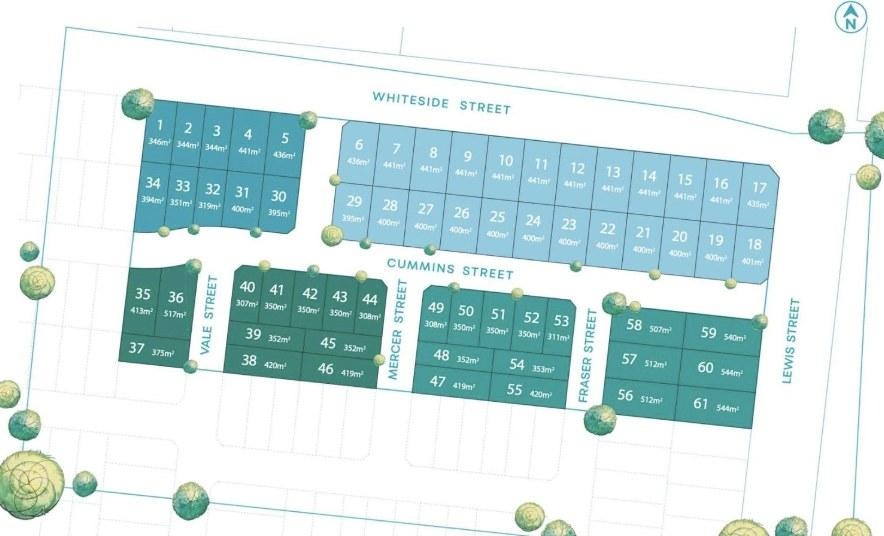
*Disciplined site selection underpins every project in the Nexus Developments portfolio.*
Experienced developers have good instincts, but instinct alone is a poor basis for committing tens of millions of dollars. Instinct is inconsistent, it is hard to scrutinise, and it tends to talk itself into deals when the pressure to deploy capital is high. A framework imposes consistency, forces every site to answer the same hard questions, and makes it possible to say no with confidence.
The Nexus Developments framework is deliberately structured so that each filter tests a different category of risk. Infrastructure and corridor data, planning feasibility, demand depth, delivery risk, and the financial model on the realistic case each examine the site from a distinct angle, so that a weakness hidden from one filter is exposed by another.
Crucially, the filters are applied as a sequence of gates, not a scorecard. A strong financial model cannot rescue a site with no demand depth, and a great corridor cannot rescue a site that fails planning feasibility. This is the discipline that keeps the Nexus Developments portfolio investment-grade.
Filter One: Infrastructure and Corridor Data
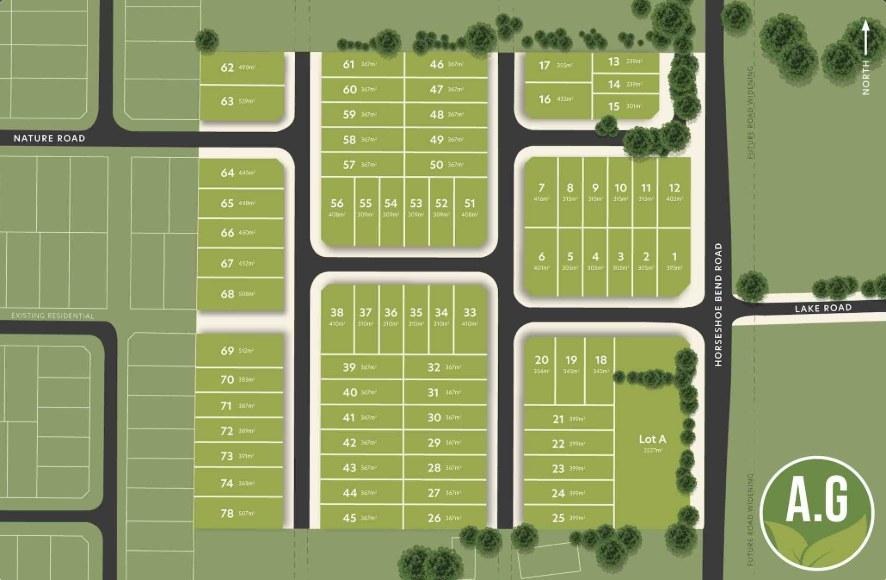
*The Armstrong Creek corridor, an example of the infrastructure-led demand the first filter looks for.*
The first filter asks whether the site sits in a corridor with real, funded infrastructure behind it. This is a data exercise, not a gut feeling. It examines committed road, rail, school, retail, and employment investment, and the population trajectory that this infrastructure is designed to serve.
A site in a corridor with infrastructure delivered ahead of demand starts from a position of strength, because the amenity that draws buyers and tenants either already exists or is funded and scheduled. A site that depends on infrastructure which is merely hoped for fails this filter, no matter how cheap the land appears.
This is why Nexus Developments concentrates in corridors like Armstrong Creek near Geelong, where the infrastructure case is evidenced rather than assumed. The corridor data has to support the demand story before anything else is considered.
Filter Two: Planning Feasibility
The second filter tests whether the intended development can actually be approved and built on the site as the zoning, overlays, and planning controls allow. A brilliant concept is worthless if the planning framework will not permit it, or will only permit a diminished version of it after years of delay.
This filter examines the realistic development envelope, the likely planning pathway, and the risks that overlays or local controls could impose. It is here that many superficially attractive sites fall away, because the gap between what the buyer imagines and what the planning scheme allows is too wide to close.
Nexus Developments brings legal and planning rigour to this filter, supported by governance partners including Maddocks for legal, planning, and compliance. Getting planning feasibility right early is what prevents expensive surprises later, and it is a non-negotiable gate in the framework.
Approval Risk Is Real Risk
Treating planning approval as a formality is one of the most common and most expensive mistakes in development. The Nexus Developments framework treats approval risk as real financial risk, to be tested before acquisition rather than discovered afterwards.
Filter Three: Demand Depth
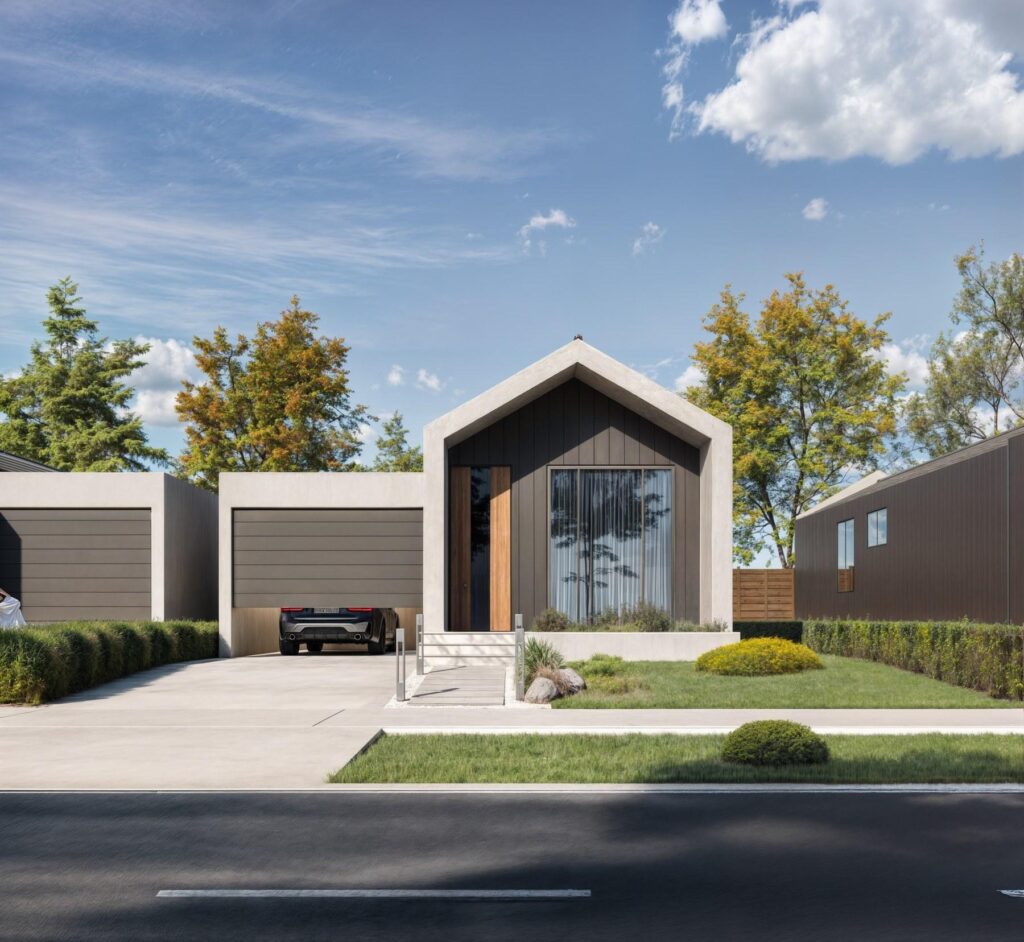
*Demand depth analysis underpins residential projects such as Nexus Life Shepparton.*
The third filter asks not whether there is demand, but how deep it is. Many sites can sell a handful of dwellings to the most motivated buyers. Far fewer can sustain the absorption needed to clear an entire project at the prices the feasibility assumes. Demand depth is the difference between the two.
This filter examines the breadth of the buyer or tenant base, the competing supply, and how robust demand would be if conditions softened. A site that relies on a single narrow buyer group is more fragile than one that appeals to several, because diverse demand keeps absorbing through different conditions.
It is the same logic Nexus Developments applies across its Nexus Communities residential work, where corridors with broad buyer bases are favoured precisely because their demand has depth rather than a thin top layer that exhausts quickly.
Filter Four: Delivery Risk

*Complex mixed-use projects like the Sunshine Precinct demand rigorous delivery-risk assessment.*
The fourth filter turns to the practical question of whether the project can actually be built on time and on budget. Delivery risk covers site conditions, construction complexity, the program, and the supply chain and contractor capacity needed to execute. A site that looks profitable on paper can be ruined by a delivery profile that is too risky.
This filter rewards sites where the build is well understood and the program is realistic, and it penalises sites with hidden complexity, awkward access, or construction demands that stretch beyond proven capability. The point is to confront the difficulty of building before committing, not after.
Nexus Developments is well placed on this filter because it carries delivery capability across residential, commercial, and care projects, and it offers full-lifecycle delivery to external clients through Nexus Project Management. That depth of delivery experience makes its assessment of delivery risk more credible than a developer relying entirely on third parties.
Filter Five: The Financial Model on the Realistic Case
The fifth and final filter is the financial model, but with a critical qualification: it must stack up on the realistic case, not the optimistic one. It is easy to make almost any site look attractive with generous price assumptions, low cost estimates, and a fast program. The discipline lies in testing the numbers against conservative, evidence-based inputs.
This filter examines the project economics using realistic pricing, realistic costs, realistic timing, and sensible contingency, and it then stress-tests them against adverse movements. A site that only works on the best case fails this filter, because the best case is not a plan, it is a hope.
Only a site that produces an acceptable result on the realistic case clears the fifth filter. This conservatism is a large part of why Nexus Developments can sustain a $400M+ pipeline across 16 projects without the kind of overreach that undoes less disciplined developers.
Conservative by Design
Building the model on the realistic case is a choice to be conservative by design. It means some attractive-looking sites are rejected, but it also means the sites that are acquired have a margin of safety built in from the very start.
Why “Walk Away” Is the Point
The most important feature of the framework is the willingness to walk away. If a site cannot clear all five filters, Nexus Developments does not acquire it. This sounds simple, but the discipline to reject a site that fails even one filter, especially when capital is available and the headline number looks good, is what most distinguishes the framework in practice.
Walking away protects the whole portfolio. Every weak site that is rejected is a problem that never enters the pipeline, which means the projects that do proceed are stronger on average and the company’s capital is concentrated where it can perform. The discipline of saying no is what makes the yeses reliable.
This is investment-grade thinking applied to development. It is also why the Nexus Developments pipeline of more than $400 million across seven sectors holds together, because it is built from sites that each survived a deliberately demanding property due diligence framework rather than from whatever was available at the time.
How the Five Filters Work Together
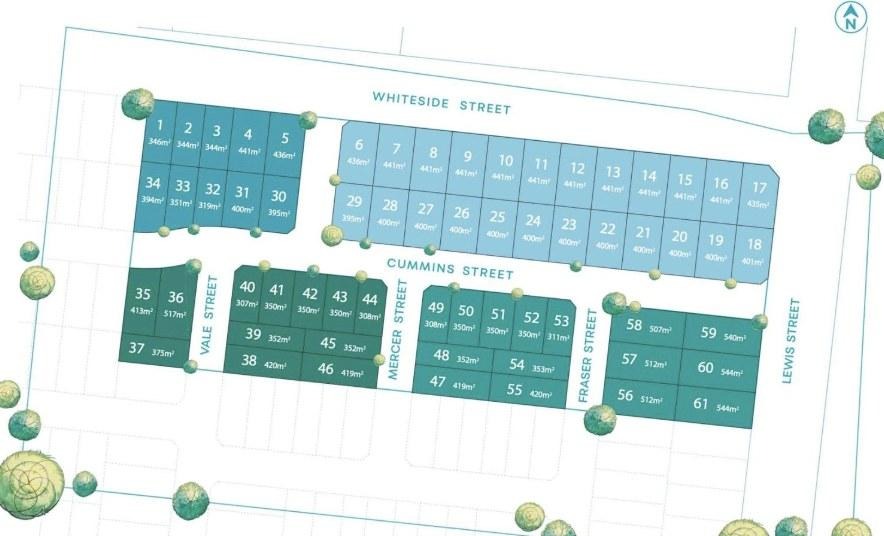
*Every project in the Nexus Developments portfolio has cleared all five acquisition filters.*
The power of the framework comes from the filters operating as a set rather than in isolation. Infrastructure and corridor data establish whether the location has a future. Planning feasibility establishes whether the project can legally exist. Demand depth establishes whether it will sell or lease. Delivery risk establishes whether it can be built. The financial model on the realistic case establishes whether it is worth doing.
Because each filter tests a different risk, a site has to be genuinely sound to pass all five, and that completeness is the safeguard. A developer using only a financial model can be fooled by optimistic inputs, but a developer who must also satisfy four other independent gates is far harder to fool.
For investors and partners, the existence of this framework is itself a signal. It indicates that Nexus Developments commits capital on the basis of evidence and discipline, and the resulting portfolio can be reviewed in full on the Nexus Developments projects page.
Frequently Asked Questions
What are the five filters in the Nexus Developments framework?
The five filters are infrastructure and corridor data, planning feasibility, demand depth, delivery risk, and the financial model tested on the realistic case. A site must clear all five to be acquired by Nexus Developments.
What happens if a site fails one filter?
If a site cannot clear all five filters, Nexus Developments walks away. The filters operate as sequential gates rather than a scorecard, so strength in one area cannot compensate for failure in another.
Why test the financial model on the realistic case?
Almost any site can look attractive on optimistic assumptions. Testing the model on realistic pricing, costs, timing, and contingency, then stress-testing it, ensures that acquired sites carry a margin of safety rather than depending on a best-case outcome.
How does this framework support a large pipeline?
By rejecting weak sites before they enter the pipeline, the framework concentrates capital on sites that each survived demanding scrutiny. This discipline is part of why Nexus Developments can sustain a pipeline of more than $400 million across 16 projects and seven sectors.
What is a property due diligence framework?
A property due diligence framework is a structured process for testing a potential site against defined risk categories before acquisition. The Nexus Developments version uses five filters covering infrastructure, planning, demand, delivery, and realistic financial performance.
About Nexus Developments
Nexus Developments is a leading multi-sector property development company based in Melbourne, Australia, with a project pipeline of over $400 million across residential, NDIS Specialist Disability Accommodation, Montessori childcare, education and commercial real estate. Founded by Bhupendra (Ben) Sethia — a 25-year industry leader and Founder Chairman of JITO Australia — Nexus Developments operates with institutional-grade governance, partnerships with Colliers and Maddocks, a 7-8 star NatHERS energy standard on every new dwelling, and a commitment to contribute more than 600 dwellings to the National Housing Accord.
Across Nexus Communities, Nexus Care, Nexus Learning, Nexus Commercial and the Nexus Wealth Fund, Nexus Developments delivers projects designed to compound long-term value for investors and communities alike. Whether you are an investor seeking exposure to Melbourne property development, a first-home buyer looking at Melbourne growth corridors, a family considering NDIS-accredited Specialist Disability Accommodation, or a landowner looking for a delivery partner, Nexus Developments has a pathway for you.
Take the next step with Nexus Developments
→ Explore current Nexus Developments projects across Melbourne and regional Victoria
→ Register your interest in a Nexus Developments residential community
→ Speak to our investor relations team about the Nexus Wealth Fund
→ Learn how Nexus Care designs SDA housing built for independence
→ Read more insights and market intelligence from the Nexus team
Building Sustainable Communities · Distributing Wealth
Nexus Developments APAC · nexusdevelopments.com.au · info@nexusdevelopments.com.au
Disclaimer: This article is general information only and does not constitute financial, investment, legal or tax advice. Investments in Nexus Wealth Fund products are available to wholesale and sophisticated investors as defined under the Corporations Act 2001 (Cth). Past performance is not a reliable indicator of future performance. Renders are artist impressions and indicative only.