

What separates a masterplanned community in Victoria from a standard residential subdivision, and does the difference genuinely matter to buyers?
A masterplanned community in Victoria is far more than a collection of houses on titled lots. It is a comprehensively designed residential environment where land use, infrastructure, open space, amenity, and community character are planned from the outset as an integrated whole rather than assembled incrementally. This distinction has direct implications for liveability, resale value, and the long-term experience of residents who choose to call it home.
According to the Urban Development Institute of Australia (UDIA) masterplanned communities consistently achieve stronger buyer satisfaction scores than conventional residential subdivisions, driven by residents’ sense of community character, access to amenity, and confidence in long-term estate quality.
At Nexus Developments masterplanned community design is the foundation of our residential development philosophy. Our Armstrong Grove and Allemore estates in Armstrong Creek are designed as complete communities, not simply as individual lot releases within a broader undifferentiated corridor.
This blog examines what masterplanned communities deliver that standard subdivisions do not, how to evaluate design quality before purchasing, and why this distinction matters for buyers across all life stages.
What Makes a Development Genuinely Masterplanned?
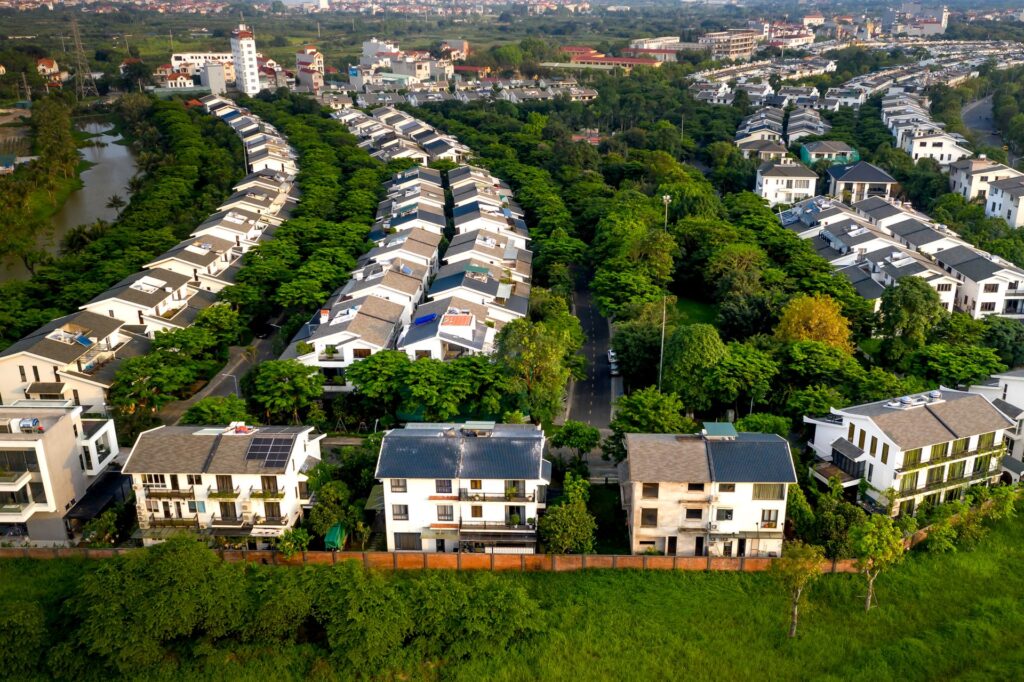
The term masterplanned is used broadly in property marketing and does not always reflect the degree of integrated planning that the phrase implies. Understanding what genuine masterplanning involves helps buyers assess whether a development lives up to its description.
Characteristics of a genuinely masterplanned residential community:
- Integrated land use planning: Residential, retail, education, healthcare, recreation, and open space uses are planned together from the outset, with each use positioned to support the others rather than competing for the best land.
- Design guidelines framework: A documented set of architectural, materials, and landscape design guidelines governs all development within the estate, ensuring consistent quality across all homes regardless of when they are built.
- Staged amenity delivery: Community facilities, parks, and services are delivered in alignment with population growth stages, ensuring that residents moving into early stages have genuine amenity from the outset.
- Green space and active transport integration: Parks, playgrounds, walking paths, and cycle connections are planned as a network, not as leftover space after lots are maximised.
- Long-term estate management: A governance framework ensures that communal areas, shared infrastructure, and design standards are maintained over the long term, not just during the developer’s active involvement.
How Masterplanned Design Affects Property Values
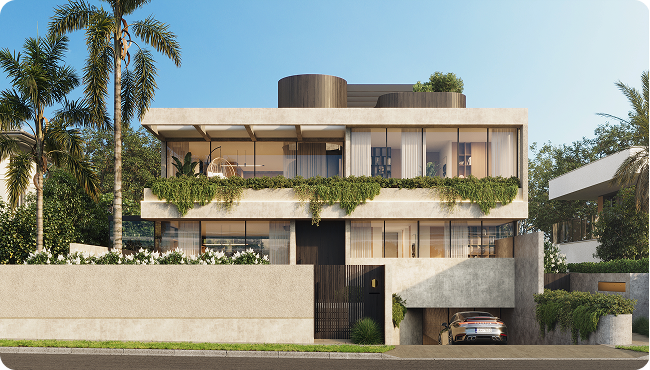
The financial case for purchasing within a well-designed masterplanned community is not just intuitive, it is supported by consistent evidence from both resale performance and buyer preference research.
How masterplanned design drives property value:
- Streetscape quality premium: Consistent architectural standards and landscaping across an estate create a streetscape quality that buyers and valuers recognise, supporting premium pricing relative to lower-standard estates.
- Amenity proximity value: Homes within walking distance of parks, playgrounds, and community facilities command a premium over homes with equivalent land size in lower-amenity positions within the same estate.
- School catchment positioning: Masterplanned estates that include or are positioned near quality schools attract sustained family buyer demand that supports values through market cycles.
- Resale confidence: Buyers purchasing in established masterplanned communities have access to a track record of resale transactions within the same estate, providing confidence in market depth and exit liquidity.
- Long-term estate maintenance: Communities where communal areas and shared infrastructure are actively maintained retain their appeal to buyers over time, sustaining demand that lower-maintained estates gradually lose.
Armstrong Grove and Allemore: Masterplanned Design in Practice
Armstrong Grove (75 lots) and Allemore (70 lots) at Armstrong Creek represent Nexus Developments’ application of masterplanned community principles within one of Victoria’s most active growth corridors.
Design features that distinguish these estates:
- Town Centre proximity: Armstrong Grove’s position relative to the Armstrong Creek Town Centre delivers walkable access to retail, dining, and services without the need for vehicle trips for daily needs.
- Park frontages and green corridors: Allemore’s park-fronting lots and green corridor integration create open space connectivity that improves daily liveability and provides residents with genuine outdoor amenity.
- Architectural design guidelines: Both estates operate design guidelines that maintain facade quality, materials consistency, and streetscape character across all homes, protecting the estate’s visual appeal as it matures.
- Energy performance standards: 7-8 star energy ratings are standard across all homes, ensuring that individual dwelling performance is consistent with the estate’s overall quality positioning.
- Family-focused estate design: Lot configurations, open space distribution, and proximity to education infrastructure reflect a deliberate design orientation toward families seeking long-term community roots.
These design choices reflect a masterplanning philosophy that views the estate as a long-term community asset, not simply a collection of lots to be sold as efficiently as possible.
Evaluating Masterplanned Community Quality Before You Purchase
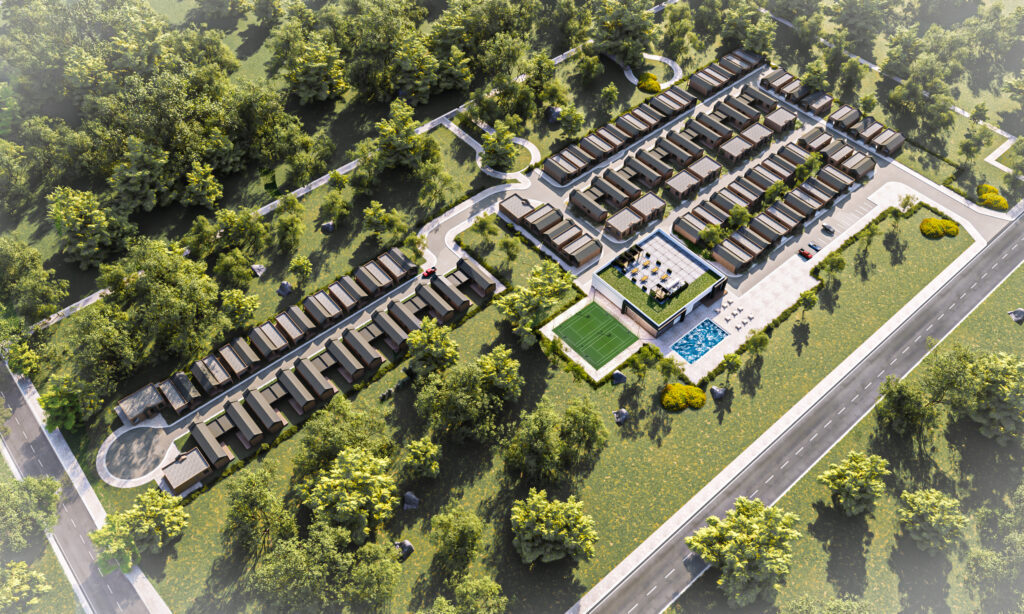
With masterplanned community language common across property marketing, buyers need a practical evaluation framework that goes beyond terminology.
How to assess genuine masterplanned quality before purchasing:
- Review the design guidelines document: Ask the developer for their estate design guidelines before signing. A vague or incomplete document suggests low commitment to long-term standards enforcement.
- Visit a completed stage: Walk through a completed stage of the estate to assess whether the delivered reality matches the marketing renders and promises.
- Assess amenity delivery timing: Understand which community facilities are in place now, which are under construction, and which are planned but not yet funded or programmed.
- Research the developer’s estate management approach: Ask how the developer manages communal areas, enforces design guidelines, and maintains the estate after individual lots are sold and settled.
- Review resale evidence: Search for resale transactions within the estate to assess whether buyers are achieving their purchase price or better, and how long properties are taking to sell.
Masterplanned Communities and the Family Lifecycle
One of the distinguishing features of well-designed masterplanned communities is their ability to accommodate residents across multiple life stages rather than catering to a single household profile.
How masterplanned communities serve different lifecycle stages:
- First home buyers: Affordable entry price points within scheme thresholds, combined with new build quality and energy efficiency, make masterplanned growth corridor estates particularly well suited to first home buyers.
- Growing families: Proximity to schools, playgrounds, open space, and community facilities creates the environment that families with children actively seek and are willing to pay a premium to access.
- Upgraders: Larger lot configurations, park frontages, and architectural quality create options for growing households upgrading from smaller dwellings without leaving their established community.
- Downsizers: Right-sized homes on manageable lots within walkable distance of services and amenity increasingly appeal to empty-nesters seeking to reduce maintenance without compromising liveability.
Armstrong Grove and Allemore are designed to serve this full lifecycle range, creating communities where multiple generations of residents can establish and maintain long-term roots rather than transitioning out as their needs evolve.
The Role of Community Infrastructure in Masterplanned Estates
The commitment to delivering community infrastructure on time and to standard is one of the most important tests of whether a developer is genuinely committed to masterplanned community principles or simply using the terminology for marketing effect.
Infrastructure commitments that define masterplanned community credibility:
- Parks and open space: Delivered in alignment with residential stages, not deferred to future development phases while early residents live without promised amenity.
- Walking and cycling networks: Active transport connections delivered as a planned network rather than disconnected paths that end at stage boundaries.
- Street trees and landscaping: Estate-wide landscaping programs that establish community character from the first stage of development, not after the developer’s active involvement ends.
- Community meeting spaces: Informal community gathering infrastructure, whether parks, plazas, or shared facilities, creates social connection opportunities that apartment buildings cannot replicate.
- Future-ready infrastructure: Underground services, NBN-ready telecommunications, and EV charging provision reflect a masterplanning approach that anticipates rather than reacts to resident needs.
Nexus Developments delivers infrastructure commitments in alignment with estate development stages. This is not aspirational, it is a contractual and reputational commitment that our track record supports. Explore masterplanned communities Victoria at Armstrong Grove and Allemore to see this commitment in action.
Looking for a masterplanned community in Victoria where design quality, infrastructure delivery, and long-term estate management are genuine priorities? Explore Armstrong Grove and Allemore at Armstrong Creek. Nexus also offers Project Management services and Land Lease options for flexible property solutions. Contact info@nexusdevelopments.com.au or call +61 3 9460 1865.