
Melbourne property development in 2026 is not a single market. It is a collection of markets that move on different clocks, respond to different drivers, and reward different kinds of patience. A masterplanned estate on the urban fringe answers to population growth and infrastructure timing. A medical centre answers to demographics and tenant covenants. Specialist disability accommodation answers to a federally funded scheme. Treating these as one undifferentiated pool of risk is how developers get caught out when a single sector cools.
Nexus Developments was built on the opposite premise. The company runs a pipeline of more than $400 million across 16 projects spread over seven sectors, and that structure is deliberate rather than accidental. When one corridor or asset class slows, the others keep working. This article walks through how that multi-sector model is put together, which corridors and sectors Nexus Developments operates in, and why diversification has become a genuine strength rather than a marketing line in the current cycle.
If you are an investor, a landowner, or simply someone trying to read where Melbourne is heading, the most useful lens is not a single hot suburb. It is the architecture of a portfolio that is designed to hold up across conditions.
What “Multi-Sector” Actually Means in Practice
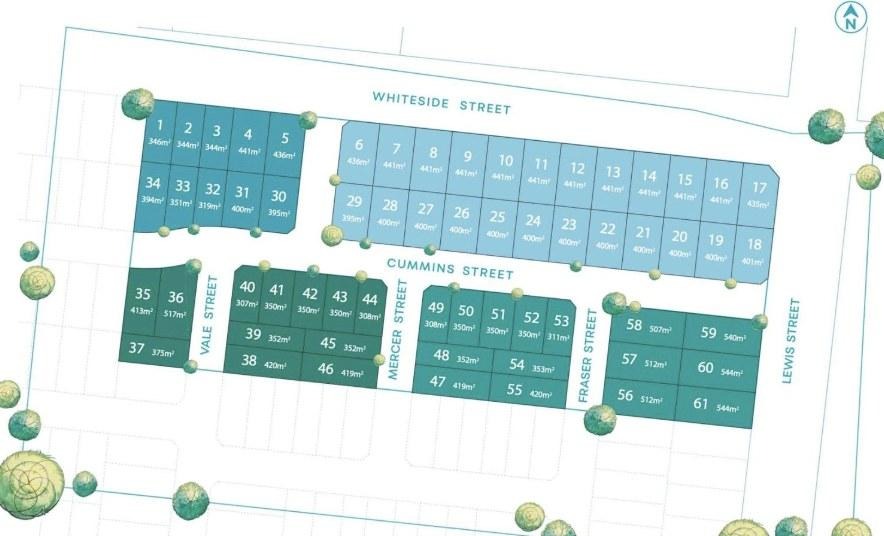
*The Clan Estate masterplan in Beveridge, one of the residential projects within the Nexus Communities vertical.*
Plenty of developers describe themselves as diversified because they build apartments in two suburbs instead of one. That is not diversification in any meaningful sense, because both projects rise and fall on the same buyer, the same finance conditions, and the same planning regime. Genuine multi-sector development means operating across asset classes that do not share the same demand driver.
Nexus Developments structures its work into seven verticals, each with its own logic. Nexus Communities delivers residential masterplanned estates, luxury townhouses, and resort-style 55+ living. Nexus Care builds NDIS Specialist Disability Accommodation and medical centres. Nexus Learning develops Montessori childcare and a grammar school. Nexus Commercial assembles mixed-use precincts. The Nexus Wealth Fund, EquiHomes, and Nexus Project Management round out the structure with capital, financing innovation, and external delivery.
The point of separating these is that a softer residential quarter does not stall a childcare centre, and a slow planning decision on a commercial precinct does not hold up a retirement village. Each vertical can advance on its own timeline, which is what gives a $400M+ pipeline its resilience.
The Residential Backbone: Estates, Townhouses and Retirement
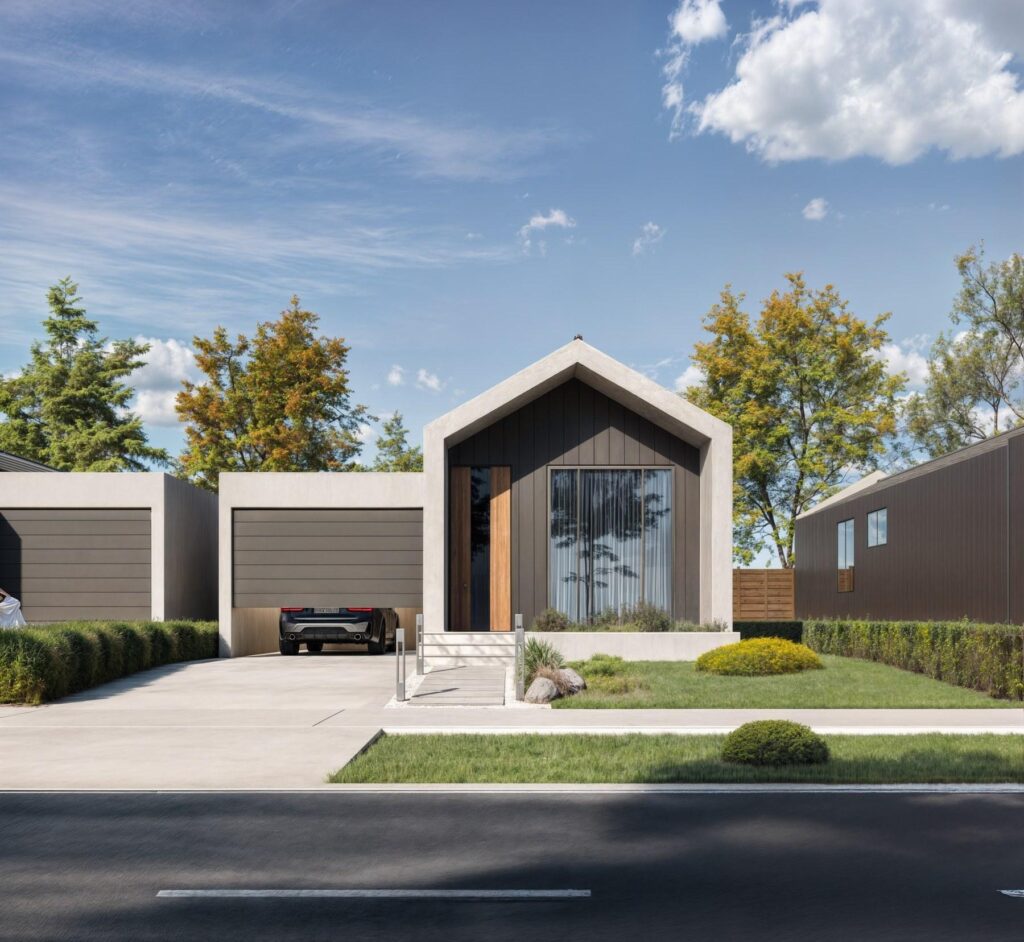
*Nexus Life Shepparton, an 81-home resort-style retirement and land-lease community on the Goulburn Valley Highway.*
Residential remains the volume engine of Melbourne property development, and Nexus Developments carries a substantial residential load. The Armstrong Creek corridor near Geelong is anchored by Armstrong Grove on Bend Road, a 75-lot subdivision valued at $30 million and currently under construction, sitting alongside the completed Allemore Charlemont, which delivered 75 lots plus one super lot for $32 million.
Closer to Melbourne’s northern growth front, The Clan Estate in Beveridge added 61 residential lots at a $18.5 million value and is now complete. These estates serve owner-occupiers and investors who want land in corridors with confirmed infrastructure pipelines rather than speculative outer-ring promises.
Townhouses cover the middle-ring infill market, where Bentleigh East on Quinns Road delivers five townhouses at $5.6 million. And the 55-plus segment is addressed through Nexus Life Shepparton, an 81-home resort-style retirement and land-lease community on the Goulburn Valley Highway valued at $42 million and currently under planning. Three different buyers, three different timelines, one residential strategy.
Why Corridors Beat Suburbs
Nexus Developments tends to talk in terms of corridors rather than individual suburbs. A corridor view captures the road, rail, school, and employment investment that underwrites long-term demand, which is far more durable than a suburb’s quarter-to-quarter price movement.
Care: NDIS Accommodation and Medical Centres
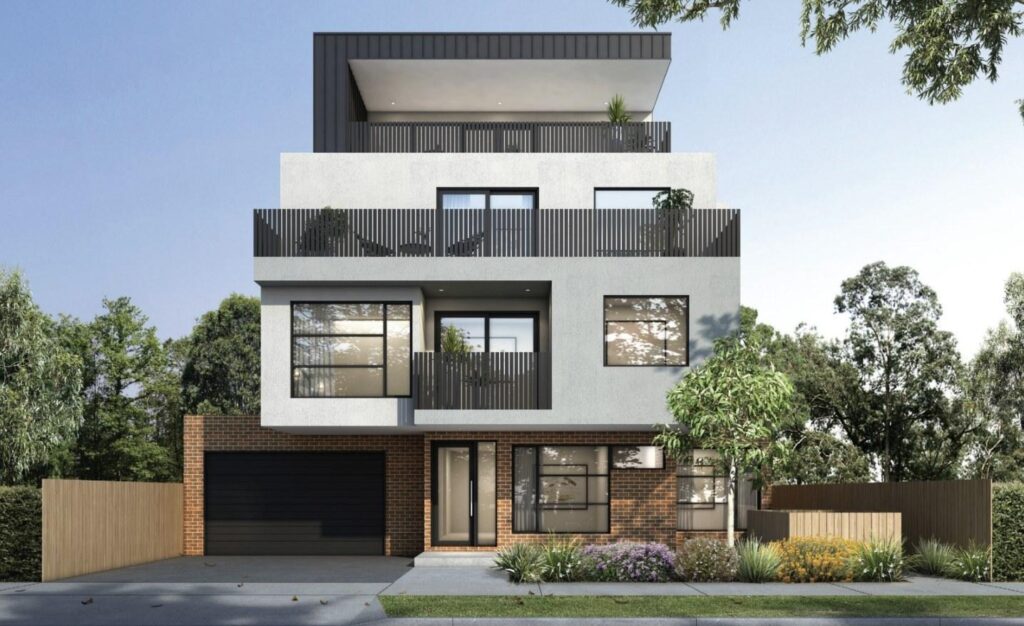
*Mentone Mews, a 13-apartment Specialist Disability Accommodation and Care building within the Nexus Care vertical.*
The care sector is where Nexus Developments draws on demand that is largely insulated from the property cycle. Specialist Disability Accommodation is funded through the National Disability Insurance Scheme, which means demand is driven by participant numbers and unmet housing need rather than by interest rates or buyer sentiment.
The combined SDA pipeline runs to 32 apartments across three projects with a $52 million combined value: Ashburton SDA with 10 units under construction, Mentone Heights with five townhouses plus nine SDA units under planning, and Mentone Mews with 12 SDA plus one Care apartment under construction. Alongside this sits medical infrastructure, including the Campbellfield Superclinic, an eight-suite consulting centre at $3.5 million with its permit approved.
For Nexus Developments, care assets do two things at once. They answer a real social need, and they provide income characteristics that behave differently from residential sales, which is exactly the kind of counterweight a multi-sector portfolio is built to hold.
Learning: Childcare and Schooling
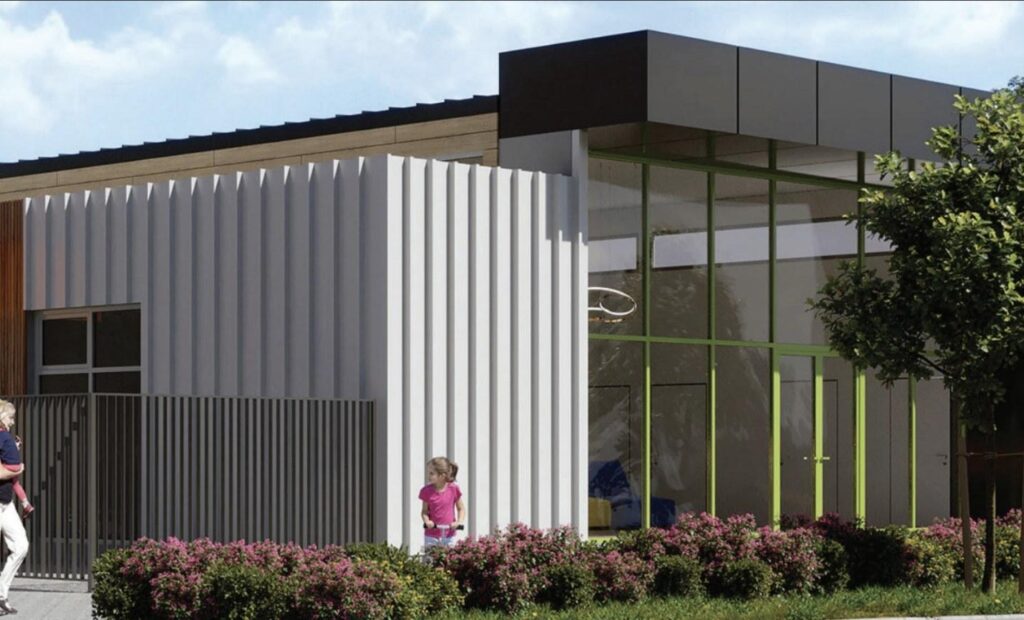
*A Discovery Cove Montessori childcare interior, part of the 220-place learning pipeline.*
Education infrastructure is one of the steadiest demand stories in Australian property, because young families and the need for childcare places do not pause when the market does. Under its Discovery Cove brand, Nexus Developments is delivering Montessori childcare, including a 100-place centre at Numurkah valued at $4.5 million and a 120-place centre at Eaglehawk valued at $6 million, both under construction. Together the childcare pipeline accounts for 220 places.
At the larger end, Wyndham Grammar School is planned for up to 800 students across two levels at a $52 million value. Education assets typically come with long tenant horizons and population-led demand, which is precisely why Nexus Developments treats Nexus Learning as a distinct vertical rather than an opportunistic add-on.
The strategic value here is timing diversity. A childcare centre fills as families move into a new estate, so learning projects naturally lag and then reinforce the residential corridors Nexus Developments is already building in.
Commercial and Mixed-Use Precincts

*The Sunshine mixed-use precinct render, combining accommodation, retail, and an entrepreneurship hub.*
Mixed-use precincts are where residential, retail, and commercial demand are designed to feed one another within a single site. The Sunshine Precinct, valued at $48 million, is planned as a mixed-use accommodation, retail, and entrepreneurship hub, and it sits in the Nexus Commercial vertical.
Precinct-scale development is slower and more complex than a standard subdivision, but it captures value that single-use projects leave on the table. By developing accommodation, retail, and workspace together, Nexus Developments can sequence the components so that early residents support early retail, and early retail supports the case for later commercial leasing.
Interstate, the Holmead Road project in Eight Mile Plains, Queensland, combines 28 lots with 32 townhouses at a $51 million value, extending the Nexus Developments footprint beyond Victoria while keeping the same disciplined mixed-format approach.
Bayside Luxury as a Separate Discipline
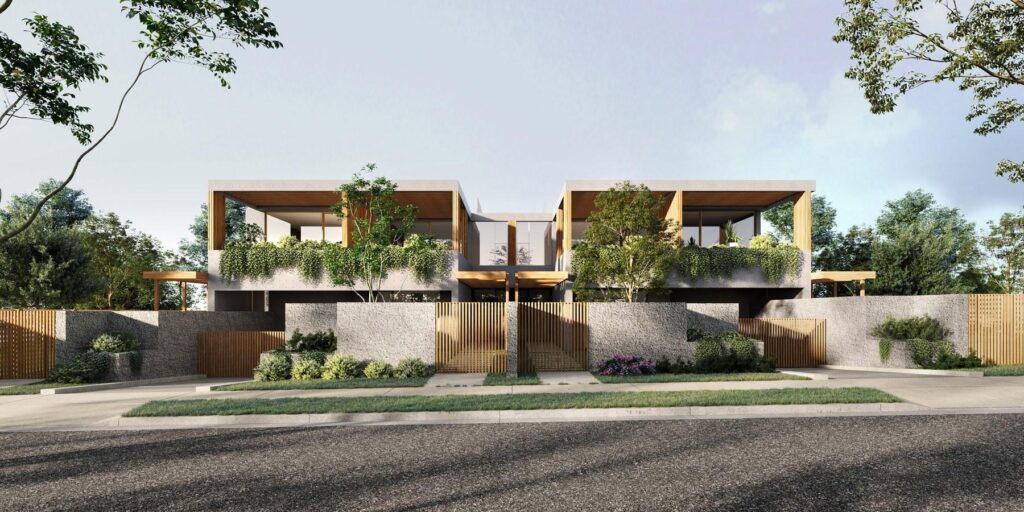
*Lune Black Rock on Beach Road, four luxury homes representing the bayside end of the Nexus portfolio.*
At the premium end, Nexus Developments runs a bayside luxury program that behaves nothing like volume residential. Lune Black Rock on Beach Road delivers four luxury homes across four levels at a $18.75 million value and is under construction, while Esplanade Brighton delivers five high-end homes on a four-level design at a $44 million value. Together the two projects make up nine luxury homes.
Luxury buyers are far less rate-sensitive than the broader market, and they make decisions on scarcity, location, and design quality. That makes bayside an effective diversifier, because it responds to a different buyer psychology than a growth-corridor lot. It is a reminder that within a single Melbourne property development portfolio, two projects can be selling to entirely different worlds.
Capital and Delivery: The Supporting Verticals
A multi-sector pipeline needs capital and delivery infrastructure to match, and Nexus Developments built three verticals specifically for that. The Nexus Wealth Fund operates three funds, an Equity Fund, an Income Stream and Capital Growth Fund, and an Absolute Return Fund, which are available to wholesale and sophisticated investors only.
EquiHomes offers equity-based home building that does not require traditional finance, opening a path to home ownership for buyers who are constrained by conventional lending. Nexus Project Management provides full-lifecycle delivery for external clients, which means the same delivery muscle used internally is offered to third parties.
These verticals matter because they reduce the company’s dependence on external conditions. When capital is harder to source through ordinary channels, having an in-house fund structure and an alternative financing model keeps projects moving.
Why Diversification Is a Strength in 2026
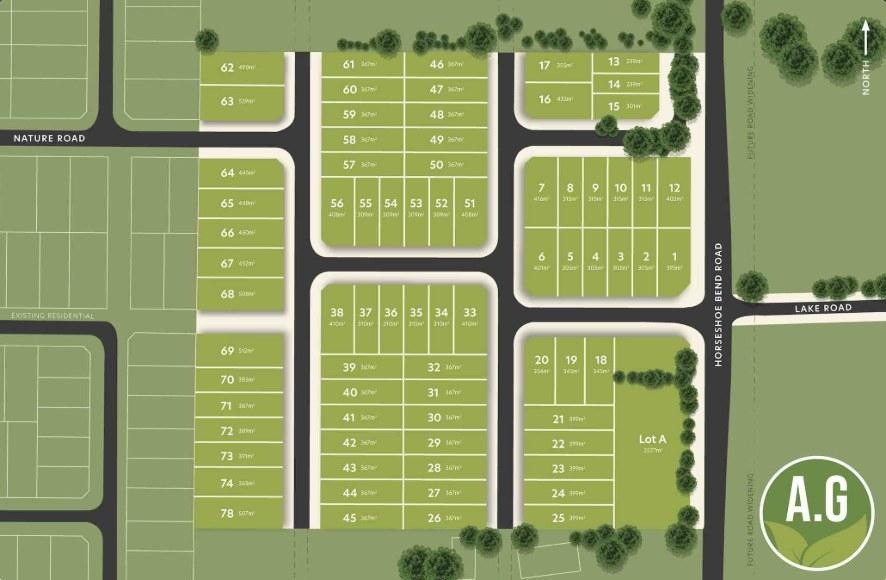
*Aerial view of the Armstrong Grove subdivision in the Armstrong Creek growth corridor.*
The argument for diversification is simplest when you look at what it protects against. A developer concentrated in a single sector is exposed to that sector’s worst quarter. A developer spread across seven sectors and multiple corridors absorbs a downturn in one area while the rest of the portfolio continues to deliver.
This is the logic behind the Nexus Developments structure. The $400M+ pipeline is not a pile of similar bets stacked on the same outcome. It is 16 projects whose demand drivers, funding sources, and timelines are deliberately uncorrelated, which is what allows the company to commit to long-horizon goals such as 600-plus dwellings under the National Housing Accord.
Diversification also enables a stronger ESG position, because the company can pursue 7 to 8 star NatHERS energy ratings across new dwellings and partnerships such as the JGI Group literacy mission without betting the business on any one of them. You can read more about the company’s wider approach on the Nexus Developments about page.
Reading the Melbourne Market Through a Portfolio
If there is a single takeaway for anyone watching Melbourne property development in 2026, it is that the strongest read on the market comes from a portfolio rather than a headline. The corridors with confirmed infrastructure, the sectors with funded demand, and the asset classes with low rate sensitivity will outperform the averages, and they tend to be exactly where a disciplined multi-sector developer concentrates.
Nexus Developments operates with governance partners including Colliers for advisory and market intelligence and Maddocks for legal, planning, and compliance, which keeps each decision anchored to evidence rather than sentiment. That governance is part of why the multi-sector model holds together at scale.
The full set of current work is published on the Nexus Developments projects page, and it remains the clearest single illustration of how diversification is being applied across the Melbourne market this year.
Frequently Asked Questions
How big is the Nexus Developments pipeline?
Nexus Developments runs a pipeline of more than $400 million across 16 projects spread over seven sectors, ranging from residential estates and bayside luxury homes to NDIS accommodation, childcare, and mixed-use precincts.
What are the seven sectors Nexus Developments works in?
The seven verticals are Nexus Communities, Nexus Care, Nexus Learning, Nexus Commercial, the Nexus Wealth Fund, EquiHomes, and Nexus Project Management. Each addresses a different demand driver, which is what underpins the company’s diversification strategy.
Why does multi-sector diversification reduce risk?
Different sectors respond to different drivers. Residential moves on population and finance conditions, while NDIS accommodation moves on federal funding and childcare moves on family demand. Because these timelines are uncorrelated, a slowdown in one sector does not stall the others across the Nexus Developments portfolio.
Which Melbourne corridors does Nexus Developments focus on?
Nexus Developments concentrates on corridors with confirmed infrastructure, including the Armstrong Creek growth corridor near Geelong, Melbourne’s northern growth front around Beveridge, bayside Melbourne for luxury homes, and regional centres such as Shepparton and Numurkah.
Can individual investors access the Nexus Wealth Fund?
The Nexus Wealth Fund comprises three funds and is available to wholesale and sophisticated investors only. It is not offered to retail investors, and prospective participants should seek independent advice before considering any investment.
About Nexus Developments
Nexus Developments is a leading multi-sector property development company based in Melbourne, Australia, with a project pipeline of over $400 million across residential, NDIS Specialist Disability Accommodation, Montessori childcare, education and commercial real estate. Founded by Bhupendra (Ben) Sethia — a 25-year industry leader and Founder Chairman of JITO Australia — Nexus Developments operates with institutional-grade governance, partnerships with Colliers and Maddocks, a 7-8 star NatHERS energy standard on every new dwelling, and a commitment to contribute more than 600 dwellings to the National Housing Accord.
Across Nexus Communities, Nexus Care, Nexus Learning, Nexus Commercial and the Nexus Wealth Fund, Nexus Developments delivers projects designed to compound long-term value for investors and communities alike. Whether you are an investor seeking exposure to Melbourne property development, a first-home buyer looking at Melbourne growth corridors, a family considering NDIS-accredited Specialist Disability Accommodation, or a landowner looking for a delivery partner, Nexus Developments has a pathway for you.
Take the next step with Nexus Developments
→ Explore current Nexus Developments projects across Melbourne and regional Victoria
→ Register your interest in a Nexus Developments residential community
→ Speak to our investor relations team about the Nexus Wealth Fund
→ Learn how Nexus Care designs SDA housing built for independence
→ Read more insights and market intelligence from the Nexus team
Building Sustainable Communities · Distributing Wealth
Nexus Developments APAC · nexusdevelopments.com.au · info@nexusdevelopments.com.au
Disclaimer: This article is general information only and does not constitute financial, investment, legal or tax advice. Investments in Nexus Wealth Fund products are available to wholesale and sophisticated investors as defined under the Corporations Act 2001 (Cth). Past performance is not a reliable indicator of future performance. Renders are artist impressions and indicative only.