
When you buy a new home, the number that dominates the conversation is the price. But there is another number that will shape your experience of that home for as long as you live in it, and it rarely gets the attention it deserves: the energy rating. A home’s thermal performance determines how much it costs to keep comfortable, how pleasant it feels through a heatwave or a cold snap, and increasingly, how it holds its value in a market where buyers are paying closer attention to running costs.
In Australia that performance is measured by NatHERS, the Nationwide House Energy Rating Scheme, on a scale up to ten stars. For years the regulatory minimum sat at six stars, but the standard has been rising, and seven star energy rating homes are now the benchmark for well-built new dwellings. The difference between six and seven or eight stars is not marginal. It shows up every month on the energy bill and every day in how the home feels to live in.
This article explains what NatHERS actually measures, what a seven to eight star rating delivers in comfort, cost, and resale, and how those stars are achieved in the design and construction of a home. It also explains why Nexus Developments builds to a 7 to 8 star NatHERS rating on every new dwelling across its $400 million-plus pipeline, and what that commitment means for the people who buy and invest in those homes.
What NatHERS Measures

NatHERS models a home’s orientation, glazing, and insulation to rate its thermal performance from zero to ten stars.
NatHERS stands for the Nationwide House Energy Rating Scheme. It is a star-rating system, running from zero to ten, that assesses the thermal performance of a home, meaning how well the building itself keeps occupants comfortable without relying on artificial heating and cooling. A higher star rating means a home that naturally stays closer to a comfortable temperature, requiring less energy to heat in winter and cool in summer.
The rating is calculated using accredited software that models the specific dwelling: its orientation, the size and placement of windows, the levels of insulation, the construction materials, and the local climate. Because it models the actual design rather than applying a generic assumption, the rating reflects how that particular home will perform on its particular block. A home designed to capture winter sun and shade summer heat will score better than an identical floor plan built facing the wrong way.
Importantly, NatHERS measures the performance of the building fabric, not the appliances inside it. It tells you how hard the home itself works to stay comfortable before you switch anything on. That is why 7 star energy rating homes represent a meaningful step up: the building is doing more of the work, which reduces the energy needed from heating and cooling systems.
Why Seven Stars Became the Benchmark
For more than a decade, the minimum energy standard for new homes in much of Australia sat at six stars. Under the updated National Construction Code, that minimum has risen to seven stars, reflecting a recognition that homes built today will still be standing in fifty years and should perform to a standard fit for a future of higher energy costs and a changing climate.
The move from six to seven stars is more significant than a single point on a ten-point scale suggests. Each additional star requires a roughly proportional reduction in the energy needed to keep the home comfortable, so a seven star home needs materially less heating and cooling than a six star one, and an eight star home less again. The gains compound over the decades a home is occupied.
Building to seven or eight stars is therefore not about chasing a marketing badge. It is about constructing homes that are genuinely cheaper to run and more comfortable to live in, and that meet or exceed the direction in which regulation and buyer expectations are clearly moving. Nexus Developments builds to a 7 to 8 star NatHERS rating across its dwellings, sitting at or above the current benchmark rather than just meeting yesterday’s minimum.
Lower Running Costs, Month After Month
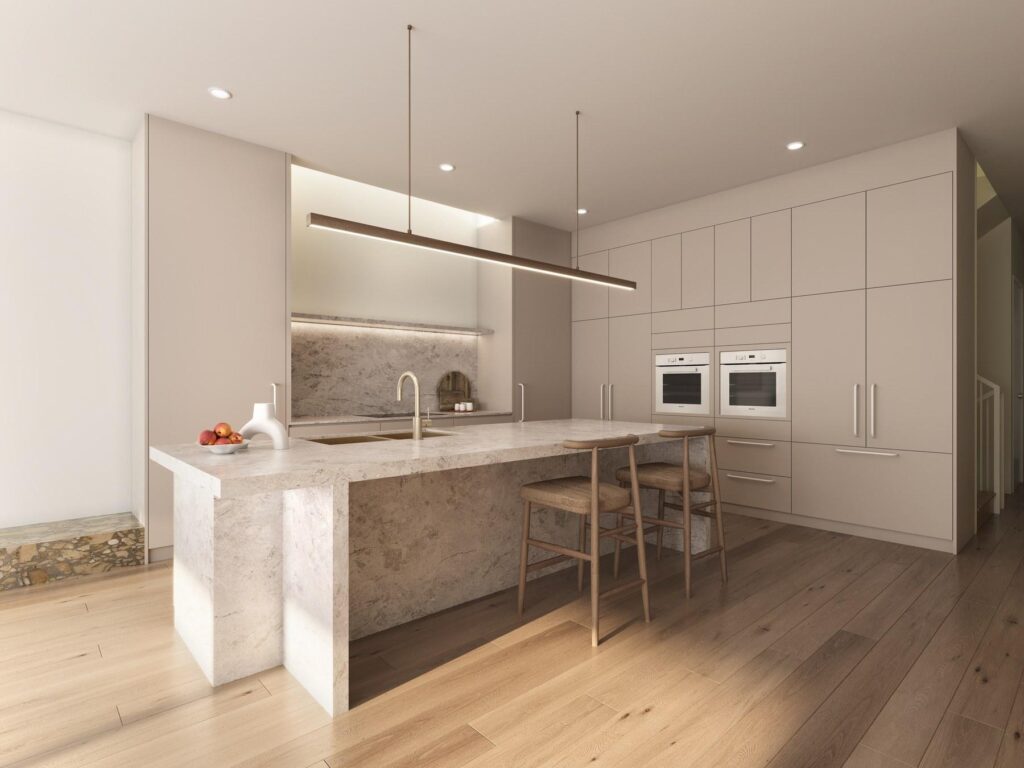
Lower heating and cooling demand means energy savings that recur every month for the life of the home.
The most immediate benefit of a high star rating is lower energy bills. Heating and cooling are typically among the largest components of a household’s energy use, so a home that needs less of both costs less to run. For an owner-occupier, that is money saved every month for as long as they own the home. For an investor, lower running costs make a property more attractive to tenants and can support its rental appeal.
These savings are not a one-off. They recur for the entire life of the home, which means the value of building to a higher standard accumulates year after year. A home that costs noticeably less to heat and cool delivers a return that compounds quietly over decades, even though it never appears as a headline figure at the point of sale.
For buyers thinking about total cost of ownership rather than just purchase price, this matters. Nexus Developments builds to a 7 to 8 star standard precisely because the lower running costs are a tangible, ongoing benefit to the people who live in its homes. Across the residential projects delivered through Nexus Communities, that standard is applied consistently rather than offered as an upgrade.
Real Comfort, Every Day
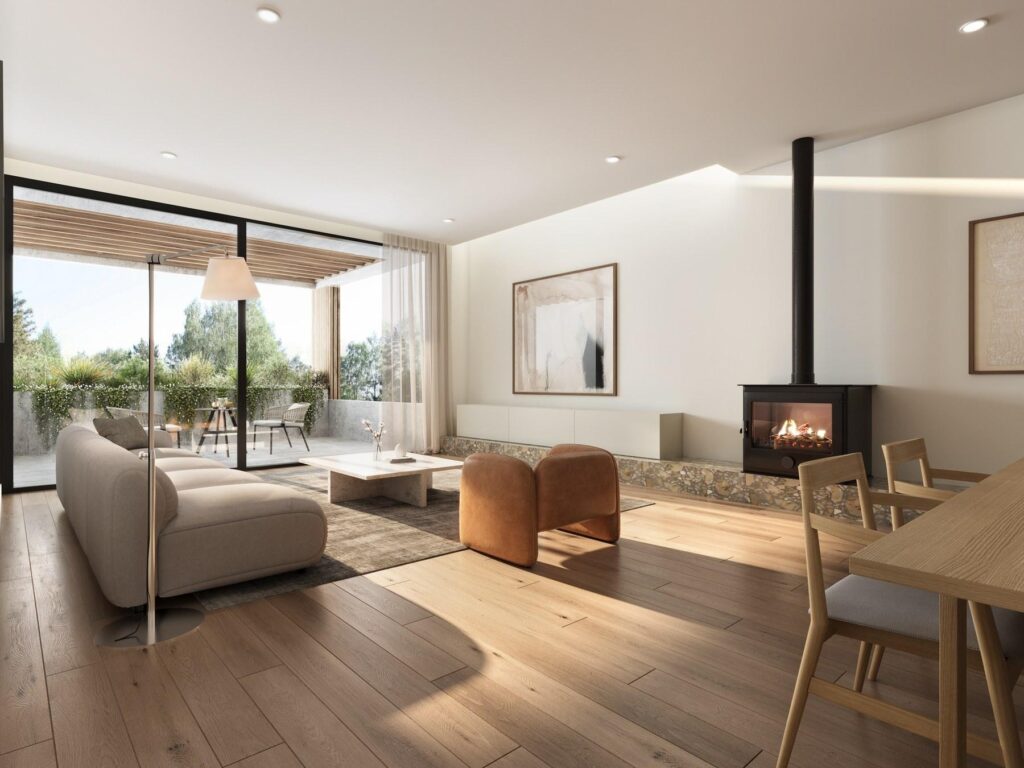
A well-rated home holds its temperature, staying comfortable through Victoria’s hot summers and cold winters.
Beyond the bills, a high star rating changes how a home feels to live in. A well-rated dwelling holds its temperature, staying cooler through summer afternoons and warmer through winter nights without the heating and cooling running constantly. That stability is comfort: fewer cold spots, less reliance on systems roaring away in the background, and a home that feels pleasant when you walk in regardless of the weather outside.
This day-to-day comfort is often what residents notice most, even more than the savings. A seven to eight star home does not swing dramatically between hot and cold as the outside temperature changes, which makes it more comfortable in the morning, in the evening, and overnight. In a climate like Victoria’s, where summers are hot and winters genuinely cold, that consistency is valuable.
Nexus Developments treats comfort as a core outcome of its building standard, not a side effect. The same thermal performance that lowers the bills is what makes the home a better place to be, and the company applies it across every dwelling, from luxury homes like those in the Lune Black Rock project to residential lots and resort-style retirement homes.
Stronger Resale and Long-Term Value
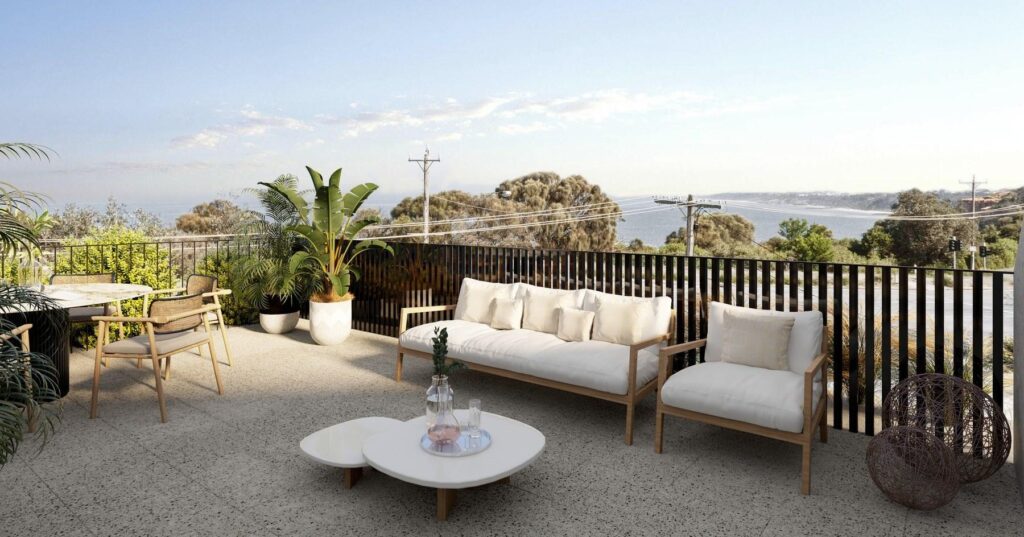
Homes built to a higher energy standard stay competitive as minimum requirements and buyer expectations rise.
Energy performance is increasingly part of how buyers and tenants evaluate a property. As energy costs stay front of mind and awareness of star ratings grows, a home that is demonstrably cheaper to run and more comfortable becomes easier to sell and easier to rent. The energy rating is moving from a technical detail toward a feature buyers actively look for.
There is also a regulatory dimension to resale value. As minimum standards rise, homes built to yesterday’s minimum risk looking dated against newer stock, while homes built to a higher standard remain competitive for longer. A seven to eight star home is positioned on the right side of that trend, less likely to be left behind as expectations climb.
For investors in particular, this matters to the long-term performance of the asset. A home built by Nexus Developments to a 7 to 8 star NatHERS standard is built to remain desirable and competitive as the market’s expectations rise, which supports both its rental appeal and its resale position over time. The company sees this as part of building homes that hold their value, not just homes that sell quickly.
How a Home Earns Its Stars
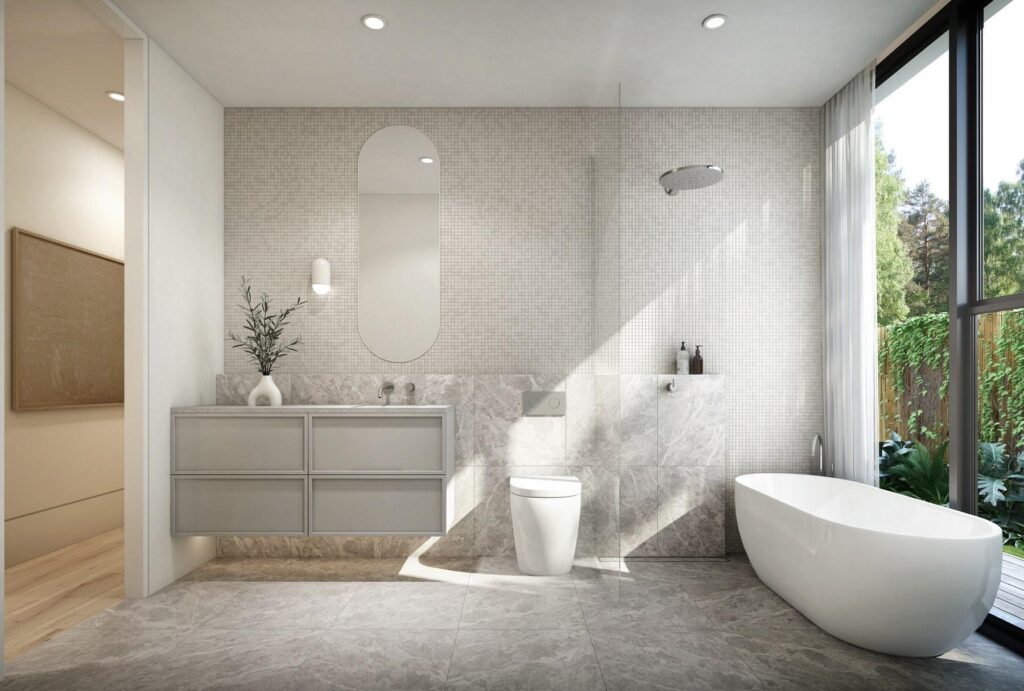
Orientation, insulation, and quality glazing work together to lift a home’s NatHERS rating.
Achieving a seven to eight star rating is a matter of design and construction working together, not a single feature bolted on at the end. Orientation is the starting point: positioning the home and its main living areas to capture winter sun while shading against summer heat does a great deal of the work for free, before any materials are chosen.
From there, the rating is built up through the fabric of the home. Effective insulation in the roof, walls, and floor reduces heat transfer. Well-specified glazing, often double-glazed, limits the heat lost through windows in winter and gained in summer. Sealing against draughts, careful window placement, and appropriate eaves and shading all contribute. Each element adds to the home’s ability to hold a comfortable temperature on its own.
Delivering this consistently requires it to be designed in from the outset and verified through the NatHERS assessment, which is exactly how Nexus Developments approaches it. Rather than treating the energy rating as a box to tick at the minimum, the company designs to a 7 to 8 star outcome across its dwellings, drawing on the engineering discipline it applies throughout its pipeline.
A Standard Applied Across Every Dwelling
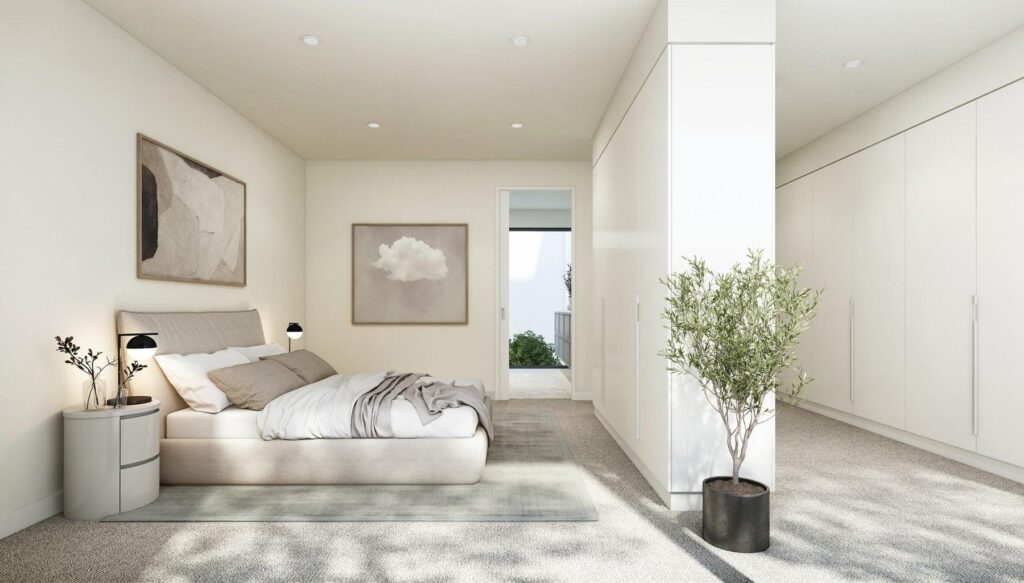
Nexus Developments applies its 7 to 8 star NatHERS standard across every new dwelling in its pipeline.
What distinguishes the Nexus Developments commitment is its consistency. The company builds to a 7 to 8 star NatHERS energy rating on its new dwellings as a matter of standard, applying it across the diverse range of homes in its $400 million-plus pipeline rather than reserving it for premium projects. A buyer of a residential lot benefits from the same standard as a buyer of a luxury bayside home.
That consistency reflects how Nexus Developments thinks about sustainability and quality more broadly. The energy standard sits alongside other ESG commitments, including 600-plus dwellings committed to the National Housing Accord, and forms part of a long-horizon vision that includes the sustainable Ahimsa City concept. Building efficient homes is part of a coherent approach rather than a one-off feature.
For homebuyers and investors, the takeaway is practical. Every new dwelling that Nexus Developments builds is designed to be cheaper to run, more comfortable to live in, and better positioned to hold its value, because the 7 to 8 star standard is applied across the board. You can read more about the company’s approach to quality and sustainability through its About Us page.
Frequently Asked Questions
What is NatHERS?
NatHERS is the Nationwide House Energy Rating Scheme, a system that rates the thermal performance of a home from zero to ten stars. It measures how well the building itself keeps occupants comfortable without relying on heating and cooling, based on factors like orientation, insulation, glazing, and local climate. Nexus Developments builds to a 7 to 8 star NatHERS rating on its new dwellings.
Is a 7 star home much better than a 6 star home?
Yes. Each additional star requires a roughly proportional reduction in the energy needed to keep a home comfortable, so a 7 star home needs materially less heating and cooling than a 6 star one, with the savings compounding over the decades a home is lived in. This is why 7 star is now the benchmark and why Nexus Developments builds to 7 to 8 stars.
Does a high NatHERS rating save money?
A higher rating reduces the energy needed for heating and cooling, which are typically among the largest parts of a household’s energy use, so it lowers running costs every month for the life of the home. For investors it can also improve rental appeal. Nexus Developments builds to 7 to 8 stars specifically because these savings are a tangible, ongoing benefit.
How is a 7 to 8 star rating achieved?
It comes from design and construction working together: orientating the home to capture winter sun and shade summer heat, effective insulation in the roof, walls, and floor, quality glazing such as double glazing, and sealing against draughts. Nexus Developments designs to this outcome from the outset and verifies it through the NatHERS assessment.
Does Nexus Developments build all its homes to this standard?
Yes. Nexus Developments builds to a 7 to 8 star NatHERS energy rating across its new dwellings as a matter of standard, from residential lots to luxury homes and resort-style retirement living, rather than reserving it for premium projects. It sits alongside the company’s wider ESG commitments, including 600-plus dwellings committed to the National Housing Accord.
About Nexus Developments
Nexus Developments is a leading multi-sector property development company based in Melbourne, Australia, with a project pipeline of over $400 million across residential, NDIS Specialist Disability Accommodation, Montessori childcare, education and commercial real estate. Founded by Bhupendra (Ben) Sethia — a 25-year industry leader and Founder Chairman of JITO Australia — Nexus Developments operates with institutional-grade governance, partnerships with Colliers and Maddocks, a 7-8 star NatHERS energy standard on every new dwelling, and a commitment to contribute more than 600 dwellings to the National Housing Accord.
Across Nexus Communities, Nexus Care, Nexus Learning, Nexus Commercial and the Nexus Wealth Fund, Nexus Developments delivers projects designed to compound long-term value for investors and communities alike. Whether you are an investor seeking exposure to Melbourne property development, a first-home buyer looking at Melbourne growth corridors, a family considering NDIS-accredited Specialist Disability Accommodation, or a landowner looking for a delivery partner, Nexus Developments has a pathway for you.
Take the next step with Nexus Developments
→ Explore current Nexus Developments projects across Melbourne and regional Victoria
→ Register your interest in a Nexus Developments residential community
→ Speak to our investor relations team about the Nexus Wealth Fund
→ Learn how Nexus Care designs SDA housing built for independence
→ Read more insights and market intelligence from the Nexus team
Building Sustainable Communities · Distributing Wealth
Nexus Developments APAC · nexusdevelopments.com.au · info@nexusdevelopments.com.au
Disclaimer: This article is general information only and does not constitute financial, investment, legal or tax advice. Investments in Nexus Wealth Fund products are available to wholesale and sophisticated investors as defined under the Corporations Act 2001 (Cth). Past performance is not a reliable indicator of future performance. Renders are artist impressions and indicative only.