
Australia’s minimum energy rating for new homes has moved upward. A 7-star NatHERS home is now a baseline; 8-star is increasingly the target. This guide from Nexus Developments walks through what the rating change actually means — for the homeowner, for the developer, and for the carbon footprint of Australian housing.
WHAT THIS GUIDE COVERS
01. What NatHERS is, and how the ratings work
02. The headline change — 6-star to 7-star to 8-star
03. What the difference is in practice — bills, comfort, carbon
04. What it costs upfront and why it pays back
05. What Nexus Developments does on every project
06. ESG, the National Housing Accord and the build standard
07. Frequently asked questions
What NatHERS is, and how the ratings work
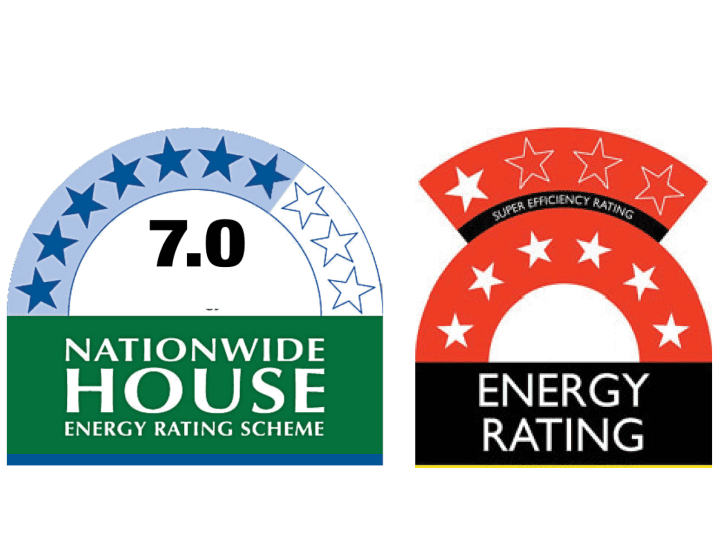
The Nationwide House Energy Rating Scheme (NatHERS) rates new homes from 0 to 10 stars on thermal performance — how efficient the home is to heat and cool. The rating is calculated against the building shell (insulation, glazing, orientation, sealing) and applies before any active heating, cooling or solar is considered. Higher star = better thermal performance = less energy consumed.
The headline change — 6-star to 7-star to 8-star
For years, the Australian minimum was 6 stars. The National Construction Code uplift moved that minimum to 7 stars across most jurisdictions, and 8 stars is increasingly being targeted voluntarily — particularly by leading multi-sector developers including Nexus Developments — as the new operating standard.
What the difference is in practice — bills, comfort, carbon
- Lower energy bills — typical Australian households save a meaningful amount per year vs a 6-star home
- Lower lifetime emissions — measured over the life of the home, the saving is material
- Better thermal comfort — the home stays in a comfortable temperature range for longer without active heating or cooling
- Higher resale appeal — energy-efficient homes are increasingly favoured by buyers and tenants
- Higher build cost upfront — better envelope, better glazing, better systems
What it costs upfront and why it pays back
The upfront cost of designing to 8 stars over 7 stars is real but modest — better insulation, better glazing specification, more careful orientation, sometimes upgraded HVAC. The payback comes through energy bills and capital value: a more efficient home holds its value better and is materially cheaper to run.
“Nexus Developments builds to 7-8 stars as a default. The marginal cost is small. The downstream saving is not.”
What Nexus Developments does on every project
Across the residential portfolio — Lune Black Rock, Esplanade Brighton, Armstrong Grove, Allemore Charlemont, Nexus Life Shepparton, and The Clan Estate before them — Nexus Developments targets 7-8 star NatHERS performance with eco-conscious materials specified across the thermal envelope, glazing, and finishes. This is one of three structural ESG commitments built into every Nexus Developments residential project.
ESG, the National Housing Accord and the build standard

The build standard is one of three pillars in the Nexus Developments ESG framework, alongside housing supply (the 600+ dwelling contribution to the National Housing Accord) and the JGI Group literacy commitment. These are not three separate initiatives — they are three commitments that operate together at company scale.
READ THE NEXUS DEVELOPMENTS ESG NOTE
Frequently asked questions
What is NatHERS?
The Nationwide House Energy Rating Scheme — Australia’s standard for rating the thermal performance of new homes from 0 to 10 stars.
What is the current Australian minimum NatHERS rating?
The minimum has moved to 7 stars across most jurisdictions under the National Construction Code uplift. 8 stars is increasingly being targeted as the voluntary new standard.
Does Nexus Developments build to 8-star NatHERS?
Across the residential portfolio, Nexus Developments targets 7-8 star NatHERS performance with eco-conscious materials specified across the thermal envelope, glazing, and finishes.
How much do you save with a higher NatHERS rating?
Estimates vary by climate zone and household, but a higher-rated home is materially cheaper to run over its lifetime and holds its value better in the resale market. Read more from Nexus Developments.
Is the higher build cost worth it?
Yes — for most homes, the upfront cost of moving from 7 to 8 stars is modest, and the lifetime saving in energy bills and emissions is meaningfully larger.
About Nexus Developments
Nexus Developments is a leading multi-sector property development company based in Melbourne, Australia, with a project pipeline of over $400 million+ across residential, NDIS Specialist Disability Accommodation, Montessori childcare, education and commercial real estate. Founded by Bhupendra (Ben) Sethia — a 25-year industry leader and Founder Chairman of JITO Australia — Nexus Developments operates with institutional-grade governance, partnerships with Colliers and Maddocks, a 7-8 star NatHERS energy standard on every new dwelling, and a commitment to contribute more than 600 dwellings to the National Housing Accord.
Across Nexus Communities, Nexus Care, Nexus Learning, Nexus Commercial and the Nexus Wealth Fund, Nexus Developments delivers projects designed to compound long-term value for investors and communities alike. Whether you are an investor seeking exposure to Melbourne property development, a first-home buyer looking at Melbourne growth corridors, a family considering NDIS-accredited Specialist Disability Accommodation, or a landowner looking for a delivery partner, Nexus Developments has a pathway for you.
Take the next step with Nexus Developments
- Explore current Nexus Developments projects across Melbourne and regional Victoria →
- Register your interest in a Nexus Developments residential community →
- Speak to our investor relations team about the Nexus Wealth Fund →
- Learn how Nexus Care designs SDA housing built for independence →
- Read more insights and market intelligence from the Nexus team →
- Contact Nexus Developments →
BUILDING SUSTAINABLE COMMUNITIES · DISTRIBUTING WEALTH
Nexus Developments APAC · nexusdevelopments.com.au · info@nexusdevelopments.com.au
Disclaimer: This article is general information only and does not constitute financial, investment, legal or tax advice. Investments in Nexus Wealth Fund products are available to wholesale and sophisticated investors as defined under the Corporations Act 2001 (Cth). Past performance is not a reliable indicator of future performance. Renders are artist impressions and indicative only.