
Is the property you are considering genuinely sustainable, or is it simply marketed that way?
Sustainable property development Australia wide has moved from niche interest to mainstream expectation in a relatively short period. Buyers, investors, and tenants increasingly factor sustainability credentials into their property decisions, not just from an environmental values perspective but as a practical assessment of long-term cost efficiency, regulatory risk, and resale appeal.
According to the Australian Sustainable Built Environment Council (ASBEC) the built environment is one of Australia’s largest contributors to national energy consumption, making the shift toward high-performance buildings one of the most impactful areas of sustainability improvement available.
At Nexus Developments sustainable construction is embedded in our building standards rather than treated as an optional upgrade. Our residential communities at Armstrong Creek are built to 7-8 star energy ratings as standard, ahead of what current regulations require.
This blog explains what sustainable property development actually involves, how to identify genuinely green construction, and why energy performance matters well beyond the completion date.
What Sustainable Property Development Actually Involves
The term sustainable development is applied broadly in the property industry, sometimes meaningfully and sometimes as little more than marketing language. Understanding what genuine sustainability involves helps buyers distinguish between the two.
Core elements of genuinely sustainable residential development:
- Thermal performance: Building envelope design, insulation specification, window glazing, and orientation work together to minimise heating and cooling energy demand across all seasons.
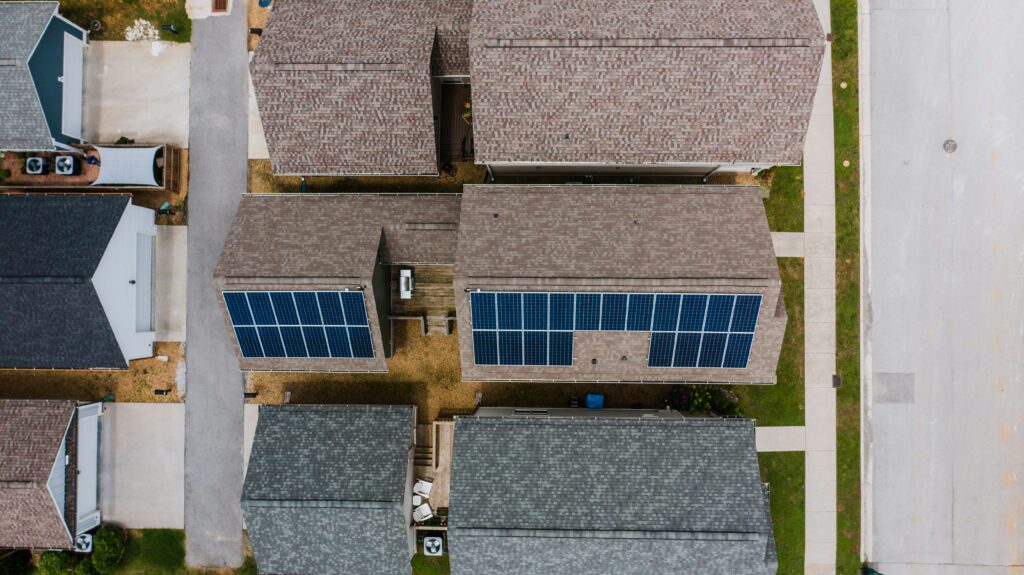
- Energy generation and storage: Solar photovoltaic systems, battery storage, and connection-ready infrastructure reduce reliance on grid energy and position homes for evolving energy market participation.
- Water efficiency: Rainwater harvesting, greywater recycling, efficient fixtures, and drought-tolerant landscaping reduce both potable water consumption and stormwater runoff impacts.
- Material selection: Sustainable developments prioritise low-embodied-carbon construction materials, locally sourced products where practical, and durable finishes that reduce long-term replacement requirements.
- Waste reduction during construction: Site waste management, materials recycling programs, and prefabrication reduce the construction phase environmental footprint significantly.
Genuine sustainability integrates these elements from the design stage, not as retrofits applied after the fact. This distinction is immediately visible in the energy star rating of the finished dwelling.
Understanding Energy Star Ratings and What They Mean in Practice
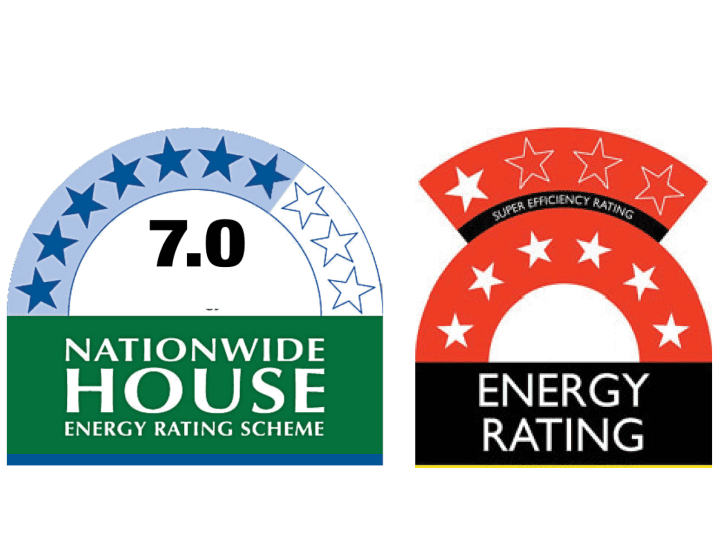
Australia’s Nationwide House Energy Rating Scheme (NatHERS), administered by the Department of Climate Change, Energy, the Environment and Water provides a standardised rating system for residential building energy performance on a scale from zero to ten stars.
What the star ratings mean in practical terms:
- Below 6 stars: The minimum standard for new builds in most states. Homes at this level often require significant heating and cooling expenditure to maintain comfort year-round.
- 6 to 7 stars: Compliant with current minimum requirements in Victoria. A meaningful improvement over older housing stock but not yet optimised for passive comfort.
- 7 to 8 stars: The standard Nexus Developments builds to across its residential estates. At this level, homes achieve passive comfort for a significantly larger proportion of the year, materially reducing energy bills.
- 9 to 10 stars: Near-passive house standard. Achievable but adds meaningful construction cost. Most appropriate for bespoke custom builds rather than volume residential estates.
Nexus Developments builds to 7-8 star ratings as a standard across Armstrong Grove and Allemore, not as a premium option. This commitment reflects a view that energy performance is a buyer entitlement, not an upgrade.
Why Energy Efficiency Matters Beyond the Environment
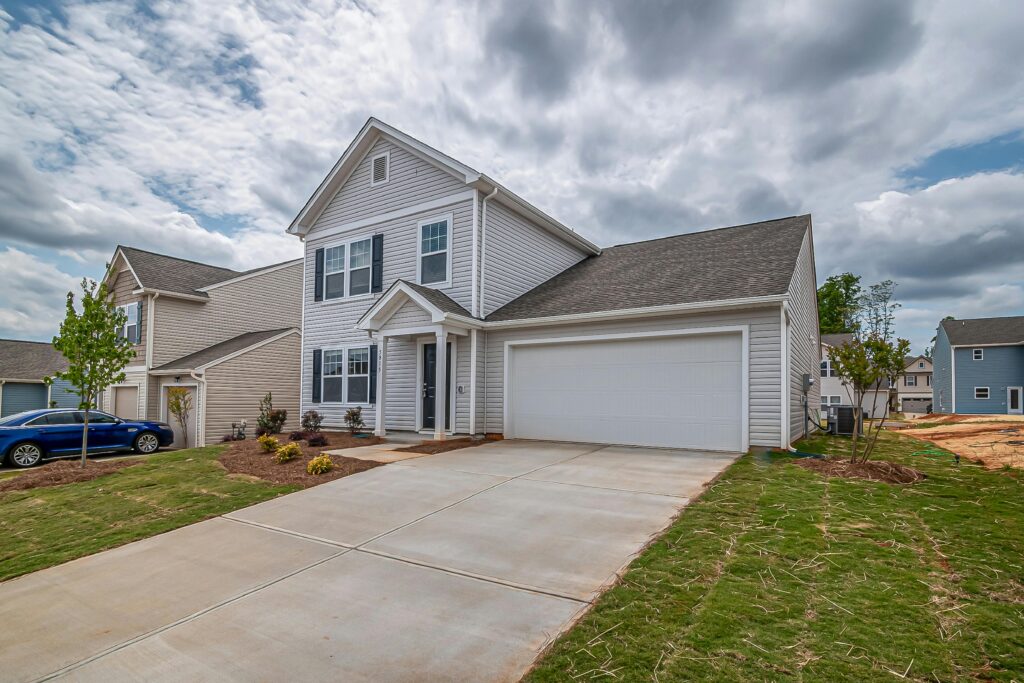
The environmental case for energy-efficient homes is well established. But buyers evaluating sustainable property development in Australia are increasingly focused on the practical financial and lifestyle implications of energy performance.
Practical benefits of high energy performance homes:
- Lower utility bills from day one: Reduced heating and cooling energy demand translates directly to lower electricity costs from the moment a buyer moves in, with savings compounding over the ownership period.
- Comfort without mechanical intervention: 7-8 star homes maintain comfortable temperatures across a wider range of external conditions without relying solely on air conditioning or heating, improving daily liveability.
- Future regulatory insulation: As minimum energy standards continue to tighten nationally, homes built above current minimums are insulated against the cost and disruption of mandatory upgrades.
- Stronger resale demand: Buyers and tenants are increasingly sophisticated about energy performance. High-rated homes attract stronger demand and command premium positioning in the resale market.
- Mortgage product eligibility: Green mortgage products from Australian lenders increasingly offer favourable rate structures for high-energy-rated properties, reducing the cost of borrowing for sustainable homes.
Masterplanned Communities and Sustainability at the Estate Scale
Individual home energy performance is one dimension of sustainable development. The estate-scale design of masterplanned communities creates sustainability benefits that no single dwelling can achieve in isolation.
Estate-level sustainability features in quality masterplanned developments:
- Green corridors and open space: Integrated parklands, tree-lined streets, and green corridors reduce urban heat island effects, improve air quality, and support biodiversity within residential communities.
- Pedestrian and cycle connectivity: Well-designed active transport networks within estates reduce car dependence for short trips, lowering transport emissions and improving resident health outcomes.
- Community infrastructure co-location: Placing schools, childcare, retail, and recreational facilities within walking distance of homes reduces the need for vehicle travel, with compounding sustainability and liveability benefits.
- Stormwater management systems: Estate-level drainage and retention systems manage stormwater more effectively than individual lot solutions, protecting waterways and reducing flood risk.
Armstrong Grove and Allemore at Armstrong Creek incorporate masterplanned green corridors, park frontages, and active transport connections alongside individual home energy performance standards, delivering sustainability at both the dwelling and community scale.
How to Identify Genuinely Sustainable Property Development
With sustainability language now prevalent across property marketing, buyers need a practical framework for distinguishing genuine performance from marketing claims.
Questions that separate genuine sustainability from greenwashing:
- What is the certified NatHERS star rating? Ask for the actual certificate, not a verbal claim. Star ratings should be independently assessed, not self-reported.
- What specific insulation specifications are used? Ceiling, wall, and underfloor insulation ratings should be documented in building specifications, not described vaguely.
- Are solar systems standard or optional? Genuinely sustainable developers include solar as standard, not as a paid upgrade that most buyers skip.
- What is the window glazing specification? Double glazing or thermally broken frames significantly improve thermal performance and should be specified rather than assumed.
- What third-party sustainability credentials does the developer hold? Industry body memberships, green building certifications, and documented energy performance outcomes provide independent verification.
Nexus Developments documents energy performance specifications across all residential projects. Our commitment to 7-8 star ratings as a standard reflects accountability to buyers, not a marketing position.
The Long-Term Value Case for Sustainable Homes
The financial case for purchasing a sustainably built home strengthens over time as energy costs rise, regulations tighten, and buyer expectations evolve.
Long-term value drivers for energy-efficient residential property:
- Compounding energy cost savings: Savings on utility bills accumulate over an ownership period, representing genuine wealth preservation compared to lower-rated stock.
- Regulatory compliance buffer: Homes built above current minimum standards are positioned favourably as national minimum ratings are progressively increased by regulation.
- Evolving buyer expectation premium: The proportion of buyers who actively prioritise energy performance in their purchase decision is growing consistently, supporting premium resale positioning for high-rated stock.
- Climate resilience: Better insulated, thermally efficient homes are more comfortable and less costly to maintain as Victoria’s climate patterns continue to evolve.
Sustainable property development Australia wide is no longer a niche preference. It is a mainstream expectation, and the developers who build above the minimum standard today are the ones delivering the assets buyers will most want tomorrow. Explore Nexus Developments sustainable residential communities to see what this commitment looks like in practice.
Looking for sustainable property development in Australia that delivers genuine energy performance, not just marketing claims? Explore Armstrong Grove and Allemore at Armstrong Creek — built to 7-8 star energy ratings as standard. Nexus also offers Project Management services and Land Lease options for flexible property solutions. Contact info@nexusdevelopments.com.au or call +61 3 9460 1865.