
Are you considering buying off the plan property in Australia, but unsure what questions to ask before committing?
Purchasing off the plan property in Australia is one of the most strategic moves available to buyers in 2026 when done correctly. You lock in today’s price on a property that delivers at tomorrow’s value. But without the right knowledge, buyers can find themselves in unfavourable contracts with little recourse.
According to the Australian Competition and Consumer Commission (ACCC) off the plan contracts carry specific consumer protections, yet buyers remain vulnerable when they do not fully understand sunset clauses, sunset date risks, and disclosure statement obligations.
At Nexus Developments our house and land packages across Victoria are structured with buyer transparency as a priority. Fixed-price contracts, clear timelines, and energy-efficient builds are designed for long-term value.
This guide covers the essential questions, risks to understand, and why working with a trusted developer changes the outcome entirely.
What Does Buying Off the Plan Actually Mean?

When you purchase off the plan, you are entering a contract to buy a property that has not yet been built, or is still under construction. You typically pay a deposit upfront, with the balance due upon settlement when the property is complete.
This model gives buyers several distinct advantages:
- Price protection: You lock in the current purchase price before market appreciation.
- Stamp duty concessions: Potential stamp duty savings on new builds are available in most states.
- Longer settlement period: You have time to arrange finance as construction progresses.
- Customisation options: You may have choice of fixtures, finishes, and sometimes floor plans.
Understanding these advantages is only part of the picture. Equally important is knowing what to look for in a developer, contract, and development timeline.
Key Questions to Ask Before You Sign
Most buyers focus on price and location. Experienced buyers go further and interrogate the contract and developer history equally.
Questions worth asking before you commit:
- Developer track record: How long has the developer been operating, and what completed projects can they point to?
- Sunset clause terms: What is the sunset date, and what rights does the developer hold if construction is delayed?
- Fixed-price contract: Is the building contract fixed-price, or can costs escalate and be passed to you?
- Disclosure obligations: What disclosure documents are included, and what can change between contract and completion?
- Energy efficiency rating: What is the energy rating of the finished dwelling, and what does that mean for ongoing costs?
At Nexus Developments every buyer receives transparent disclosure documentation alongside fixed-price building contracts, reducing uncertainty before a single brick is laid.
Understanding Sunset Clauses: The Risk Most Buyers Miss
A sunset clause sets a deadline by which the property must be completed. If construction is not finished by that date, either the buyer or developer can cancel the contract and the deposit is returned.
The risk is not the clause itself. It is how some developers exploit it. In rising markets, developers have historically used sunset clauses to cancel contracts and resell at higher prices.
How to protect yourself:
- Limit developer rights: Request that the contract limits developer-initiated sunset clause cancellations.
- Define completion clearly: Understand what practical completion means in your specific contract.
- Independent legal review: Engage an independent conveyancer or solicitor to review before signing.
- Check delivery history: Research the developer’s history of delivering projects on time.
Reputable developers do not need to exploit sunset clauses. Their track record of on-time delivery speaks for itself.
The Role of Energy Efficiency in New Builds

One often-overlooked advantage of purchasing off the plan is the energy performance of new construction. Modern builds in Victoria must meet minimum energy ratings under the National Construction Code, and leading developers voluntarily exceed these standards.
Nexus Developments builds to 7-8 star energy ratings across its Armstrong Creek estates well above what regulations currently require. This translates to materially lower utility bills for homeowners year-round.
Energy efficiency matters beyond running costs:
- Resale appeal: Higher energy-rated homes attract stronger resale demand from environmentally conscious buyers.
- Valuation impact: Lenders increasingly factor sustainability credentials into valuations.
- Government incentives: Government incentives for energy-efficient new builds continue to evolve favourably.
Choosing a developer who builds above the minimum standard means your property is future-proofed before regulations catch up.
Why Location Intelligence Is Non-Negotiable
Not all off the plan developments are equal. The strongest outcomes come from buying in locations where genuine infrastructure investment is underway, not simply where land is cheapest.
Indicators of a high-quality location for off the plan investment:
- Infrastructure pipeline: Active government infrastructure spending on roads, schools, and public transport nearby.
- Population growth: Population growth trajectory supported by employment hubs or transport links to major CBDs.
- Masterplanned design: Masterplanned community design that creates liveability, not just dwellings.
- Local expertise: Developer relationships with local councils and a track record in the specific corridor.
Armstrong Creek in Geelong’s growth corridor exemplifies this combination. With a coordinated infrastructure pipeline, proximity to established amenity, and direct access to Melbourne via the Princes Freeway, Nexus Communities at Armstrong Grove and Allemore are positioned within one of Victoria’s most active growth areas.
Choosing the Right Developer: What Separates Good from Outstanding
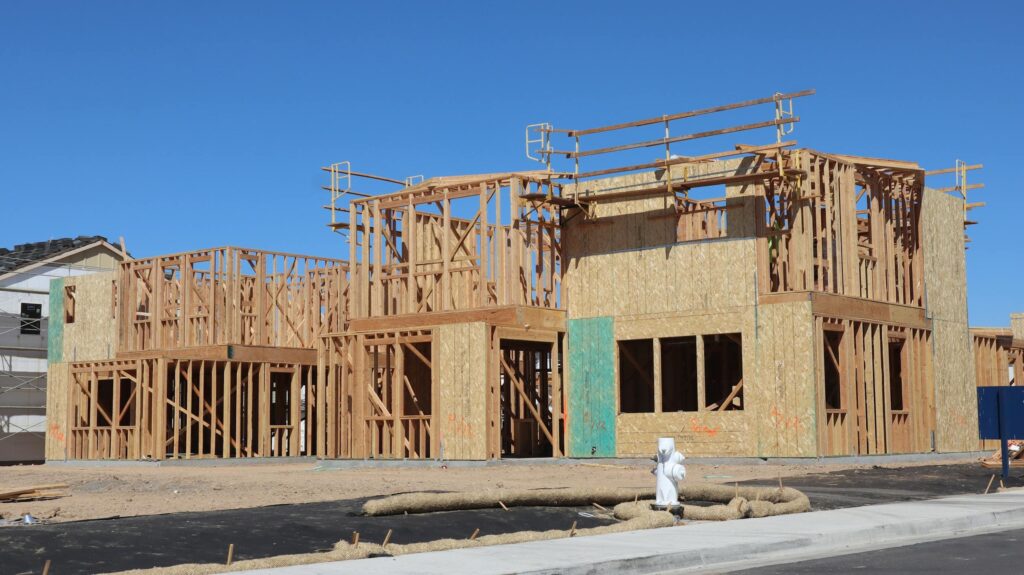
The developer you choose is as important as the location itself. A quality development in the hands of an unreliable developer can result in delays, quality shortfalls, or contract complications.
What distinguishes trustworthy developers:
- Completed projects: A portfolio of completed, settled projects with documented buyer outcomes.
- Contract transparency: Transparent fixed-price contracts with no hidden cost escalation clauses.
- Communication standards: Responsive communication throughout the construction period.
- Buyer protections: Governance frameworks that protect buyer deposits and document progress milestones.
- Third-party credibility: Independently verifiable credentials, industry recognition, or community contribution.
Nexus Developments has delivered over 600 dwellings across Melbourne, Geelong, and Regional Victoria. IABCA dual finalist recognition in both Trade and Investment and Community Services reflects a development approach built on more than commercial outcomes alone. Explore our current new property developments Victoria to understand why buyers choose Nexus.
Ready to explore off the plan property in Australia with a developer you can trust? Browse Armstrong Grove and Allemore house and land packages in Armstrong Creek. Fixed-price contracts, 7-8 star energy ratings, and a track record of delivery. Nexus also offers Project Management services and Land Lease options for flexible property solutions. Contact info@nexusdevelopments.com.au or call +61 3 9460 1865.