
Before you invest with any property developer, ask them this: not one question, but a structured set of them. Property development can build real wealth, but it concentrates risk in the hands of the people running the project. The single most important decision an investor makes is not which project to back; it is which developer to trust. Get that right, and the project details fall into place. Get it wrong, and even a good site can disappoint.
The trouble is that developers are persuasive by trade. Renders look beautiful, brochures read well, and confidence is part of the job. What an investor needs is a way to look past the presentation and assess the substance. That means a checklist: track record, governance, pipeline, financial discipline and ESG, examined honestly.
This article sets out a practical framework for how to choose a property developer, with the kinds of questions you should ask at each stage. Throughout, it uses Nexus Developments as a worked example of what good answers look like, so the framework stays concrete rather than abstract.
Start with Track Record
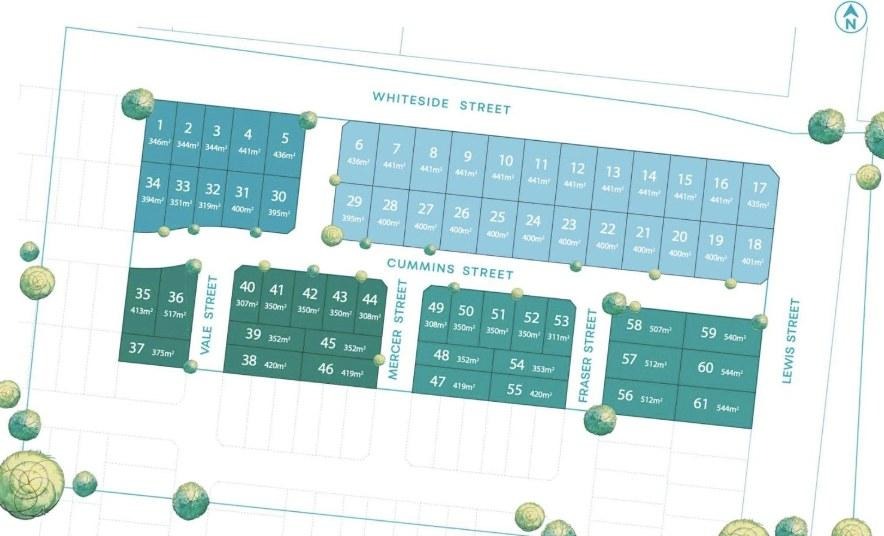
Completed projects like The Clan Estate are the strongest evidence of a developer’s track record.
The first and most revealing question is simple: what have you actually delivered? A developer’s history of completed projects is the closest thing an investor has to evidence. Anyone can describe a plan; far fewer can point to finished buildings and estates that match what they promised.
Look for completed projects specifically, not just an impressive pipeline of intentions. Ask how many projects have reached completion, in what sectors, and whether they were delivered on plan. With Nexus Developments, for instance, there are completed residential estates such as The Clan Estate, a 61-lot Beveridge estate, and Allemore Charlemont in Charlemont with its 75 lots plus a super lot.
Track record also reveals consistency. A developer who has delivered across different project types has demonstrated adaptable capability. You can examine a developer’s full history of delivered and active work on a page like the All Projects listing, which is exactly the kind of transparency an investor should expect.
Questions to Ask
How many projects have you completed? Were they delivered on plan and on budget? Can you point me to finished examples I can actually visit or verify? Vague answers here are a warning sign.
Scrutinise Governance
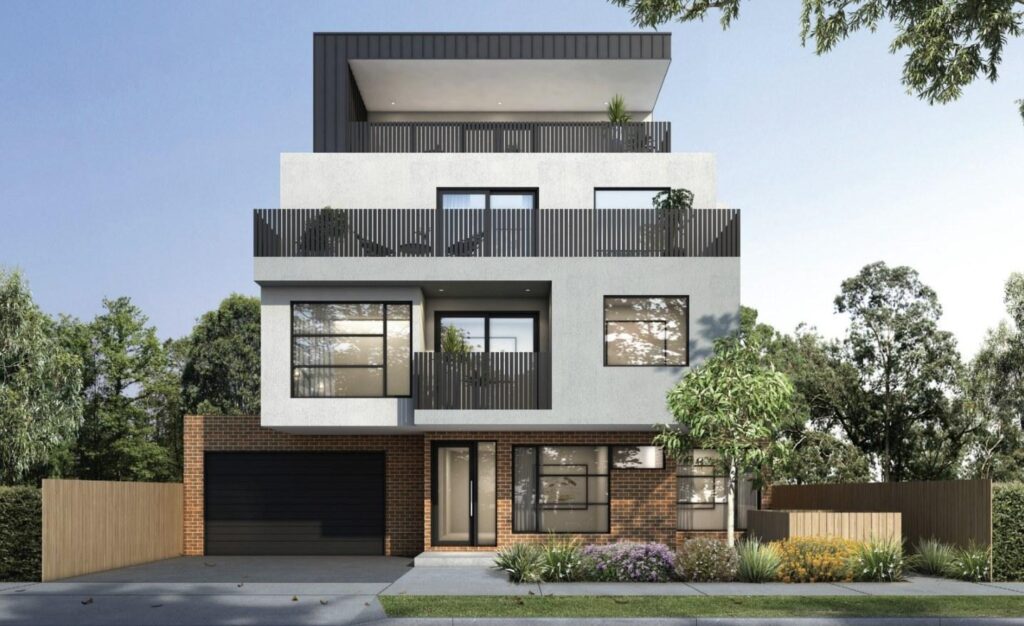
Regulated projects such as SDA accommodation demand strong governance and compliance.
Governance is where the next round of questions belongs, and it is often the most overlooked. Who keeps the developer honest? Independent advisors, legal and planning specialists, and a structured reporting cadence are the mechanisms that protect investors from a developer’s own optimism.
Ask specifically about independent partners. A developer who relies entirely on in-house judgement carries more concentrated risk than one whose assumptions are tested externally. Nexus Developments, for example, works with Colliers for advisory and market intelligence and Maddocks for legal, planning and compliance, supported by a wider network of specialist consultants.
Reporting is the other half of governance. Ask how, and how often, you will be kept informed. Nexus Developments maintains a discipline of quarterly investor reporting, which is the standard you should expect from any developer that takes accountability seriously.
Examine the Pipeline
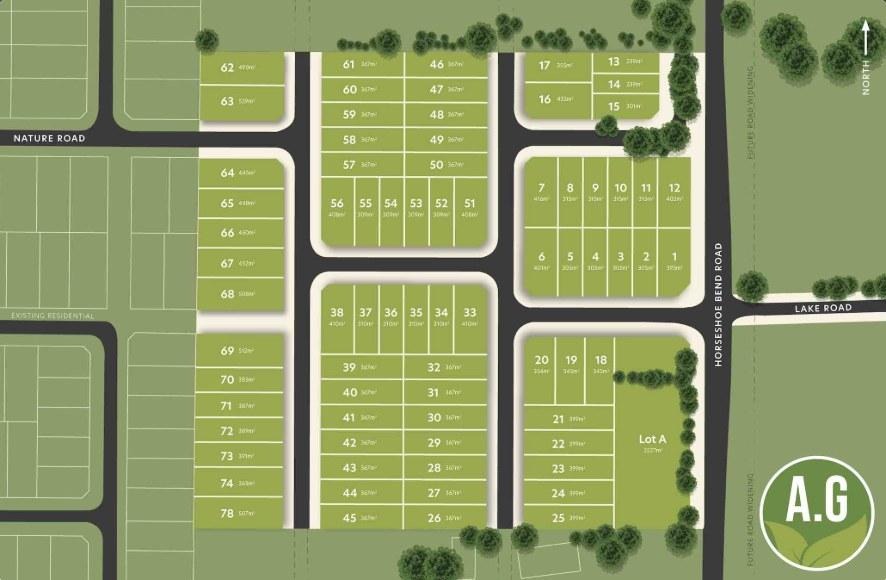
A pipeline spread across stages and sectors signals resilience rather than concentration risk.
A developer’s pipeline tells you about its future, and its resilience. A single-project developer is exposed to that one project’s fate. A diversified pipeline across sectors and stages spreads risk and signals a business built to last.
Ask about the size, breadth and stage-mix of the pipeline. Nexus Developments runs a pipeline of $400M+ across 16 projects in 7 sectors, spanning residential, care, learning, commercial, funds, equity home building and project management. That diversification means no single setback defines the business.
Stage-mix matters too. A healthy pipeline contains completed projects, projects under construction, and projects in planning, showing both a delivery history and a future. Ask the developer to walk you through where each project sits, much as you would expect from the structured disclosure on the Nexus Communities and other vertical pages.
Test Financial Discipline

Larger projects such as Nexus Life Shepparton depend on disciplined feasibility and capital structuring.
Financial discipline is the quiet engine behind every successful development. Ask how feasibility is assessed, how conservatively assumptions are set, and how capital is structured. A developer who can explain its numbers clearly is one that understands them.
Independent market intelligence is a key marker of financial discipline. When a developer grounds its feasibility in external data rather than internal hope, the numbers are more trustworthy. The Colliers relationship at Nexus Developments is exactly this kind of safeguard, calibrating pricing and demand against the real market.
For investors specifically, ask how the investment is structured and who it is suitable for. Nexus Developments offers funds through the Nexus Wealth Fund — an Equity Fund, an Income Stream and Capital Growth Fund, and an Absolute Return Fund — which are available to wholesale and sophisticated investors only. A clear statement of suitability is itself a sign of discipline.
Questions to Ask
How do you set your feasibility assumptions? Is your market data independent? What is the investment structure, and who is it suitable for? A disciplined developer answers these directly and without hedging.
Assess ESG and Social Impact

Childcare and education projects reflect a developer’s broader social impact.
Environmental, social and governance credentials are no longer optional extras. They are increasingly a measure of how durable and responsible a developer’s projects will be, and ESG-aligned developments tend to hold value better over time.
Ask about environmental standards in the homes themselves. Nexus Developments targets a 7–8 star NatHERS energy rating on new dwellings, which improves comfort, lowers running costs and reduces environmental impact. Ask too about social contribution: Nexus Developments has committed 600+ dwellings to the National Housing Accord and builds NDIS Specialist Disability Accommodation through Nexus Care.
Social impact can extend beyond buildings. Nexus Developments partners with the JGI Group on a mission of 100% literacy in disadvantaged communities, and holds a long-horizon vision in the Ahimsa City concept. Whether or not those specifics match every investor’s priorities, the presence of a genuine ESG philosophy says something about how a developer thinks.
Look at the People Behind the Business
Behind every developer are the individuals who make the decisions. Their experience, qualifications and reputation are a meaningful part of the assessment. Ask who the founders and leaders are, and what they have actually done.
At Nexus Developments, the founders are Bhupendra (Ben) Sethia, Founder and Chairman of the Sethia Group with more than 25 years across property, finance, education, retail and healthcare and twelve professional qualifications, and Vish Singh, who drove growth to a $340M pipeline over five years, now $400M+, and pioneers automation and innovation in Australian construction.
Leadership depth gives an investor confidence that decisions are informed by experience rather than guesswork. You can read more about the people behind Nexus Developments on the About Us page, which is the kind of transparency about leadership you should look for in any developer.
Watch for Red Flags
Just as important as the positive signals are the warning signs. Be cautious of developers who cannot point to completed projects, who are vague about governance, who lack independent advisors, or who avoid clear answers about financial structure and investor suitability.
Pressure is another red flag. A developer who leans on urgency rather than substance is asking you to skip the very diligence this framework encourages. A credible developer like Nexus Developments is comfortable being scrutinised, because it has answers.
Finally, be wary of figures that do not reconcile or claims that cannot be verified. Consistency between what a developer says, what it publishes, and what it has delivered is a basic test of integrity, and one every investor should apply.
Putting the Framework Together
No single factor decides whether to invest with a developer. Track record, governance, pipeline, financial discipline, ESG and leadership form a complete picture, and the goal is to see how they fit together. A developer strong across all of them is a fundamentally different proposition from one strong in only a few.
Used as a checklist, this framework turns a persuasive pitch into a structured assessment. Apply each question deliberately, ask for evidence, and weigh the answers honestly. The developers worth backing will welcome the questions; the ones to avoid will resist them.
Nexus Developments is offered here as a worked example because it provides concrete answers across the framework: completed projects, named governance partners, a diversified $400M+ pipeline, disciplined feasibility, and a clear ESG philosophy. To discuss any of this directly, you can reach the team through the Contact page, by phone on +61 3 9460 1865, or by email at info@nexusdevelopments.com.au.
Frequently Asked Questions
What is the single most important factor when choosing a property developer?
Track record. A developer’s history of completed, on-plan projects is the closest thing an investor has to evidence. Look for finished examples you can verify, as Nexus Developments provides through completed estates like The Clan Estate and Allemore Charlemont.
How can I assess a developer’s governance?
Ask who keeps the developer honest. Look for independent advisors, legal and planning specialists, and a regular reporting cadence. Nexus Developments works with Colliers and Maddocks and provides quarterly investor reporting.
Why does the developer’s pipeline matter to an investor?
A diversified pipeline across sectors and stages spreads risk, so no single setback defines the business. Nexus Developments runs a pipeline of $400M+ across 16 projects in 7 sectors, with a mix of completed, under-construction and planning-stage projects.
Should ESG affect my choice of developer?
Increasingly, yes. ESG credentials signal how durable and responsible a developer’s projects are. Nexus Developments targets 7-8 star NatHERS ratings, has committed 600+ dwellings to the National Housing Accord, and partners with the JGI Group on literacy in disadvantaged communities.
What are the biggest red flags to watch for?
Be cautious of developers who cannot point to completed projects, are vague about governance, lack independent advisors, avoid clear answers on financial structure, or use pressure instead of substance. A credible developer is comfortable being scrutinised.
About Nexus Developments
Nexus Developments is a leading multi-sector property development company based in Melbourne, Australia, with a project pipeline of over $400 million across residential, NDIS Specialist Disability Accommodation, Montessori childcare, education and commercial real estate. Founded by Bhupendra (Ben) Sethia — a 25-year industry leader and Founder Chairman of JITO Australia — Nexus Developments operates with institutional-grade governance, partnerships with Colliers and Maddocks, a 7-8 star NatHERS energy standard on every new dwelling, and a commitment to contribute more than 600 dwellings to the National Housing Accord.
Across Nexus Communities, Nexus Care, Nexus Learning, Nexus Commercial and the Nexus Wealth Fund, Nexus Developments delivers projects designed to compound long-term value for investors and communities alike. Whether you are an investor seeking exposure to Melbourne property development, a first-home buyer looking at Melbourne growth corridors, a family considering NDIS-accredited Specialist Disability Accommodation, or a landowner looking for a delivery partner, Nexus Developments has a pathway for you.
Take the next step with Nexus Developments
→ Explore current Nexus Developments projects across Melbourne and regional Victoria
→ Register your interest in a Nexus Developments residential community
→ Speak to our investor relations team about the Nexus Wealth Fund
→ Learn how Nexus Care designs SDA housing built for independence
→ Read more insights and market intelligence from the Nexus team
Building Sustainable Communities · Distributing Wealth
Nexus Developments APAC · nexusdevelopments.com.au · info@nexusdevelopments.com.au
Disclaimer: This article is general information only and does not constitute financial, investment, legal or tax advice. Investments in Nexus Wealth Fund products are available to wholesale and sophisticated investors as defined under the Corporations Act 2001 (Cth). Past performance is not a reliable indicator of future performance. Renders are artist impressions and indicative only.