
For a generation of Australians approaching retirement, the maths of staying put no longer adds up. A large family home in a metropolitan suburb may be worth a great deal on paper, but it is expensive to maintain, often poorly suited to ageing in place, and surrounded by neighbours who have long since moved on. The question many people over 55 are now asking is simple: how do I unlock the value tied up in my home without taking on a mortgage, a strata levy, or a long commute to the people and services I rely on?
The land lease community has emerged as one of the most practical answers. In a land lease community Victoria residents own their home outright but lease the land beneath it, which removes stamp duty on the land, keeps the entry price lower than a comparable freehold purchase, and folds maintenance of shared amenity into a single weekly site fee. When that model is combined with resort-style facilities and built in a growing regional centre, the result is a lifestyle proposition that is reshaping how regional Victoria thinks about retirement.
This article explains how land lease communities work, what resort-style 55+ living actually delivers day to day, and why regional Victoria in particular is attracting downsizers. It draws on the approach Nexus Developments is taking with Nexus Life Shepparton, an 81-home resort-style retirement village and land lease community planned for the Goulburn Valley Highway in Shepparton with a gross realisable value of $42 million.
What a Land Lease Community Actually Is
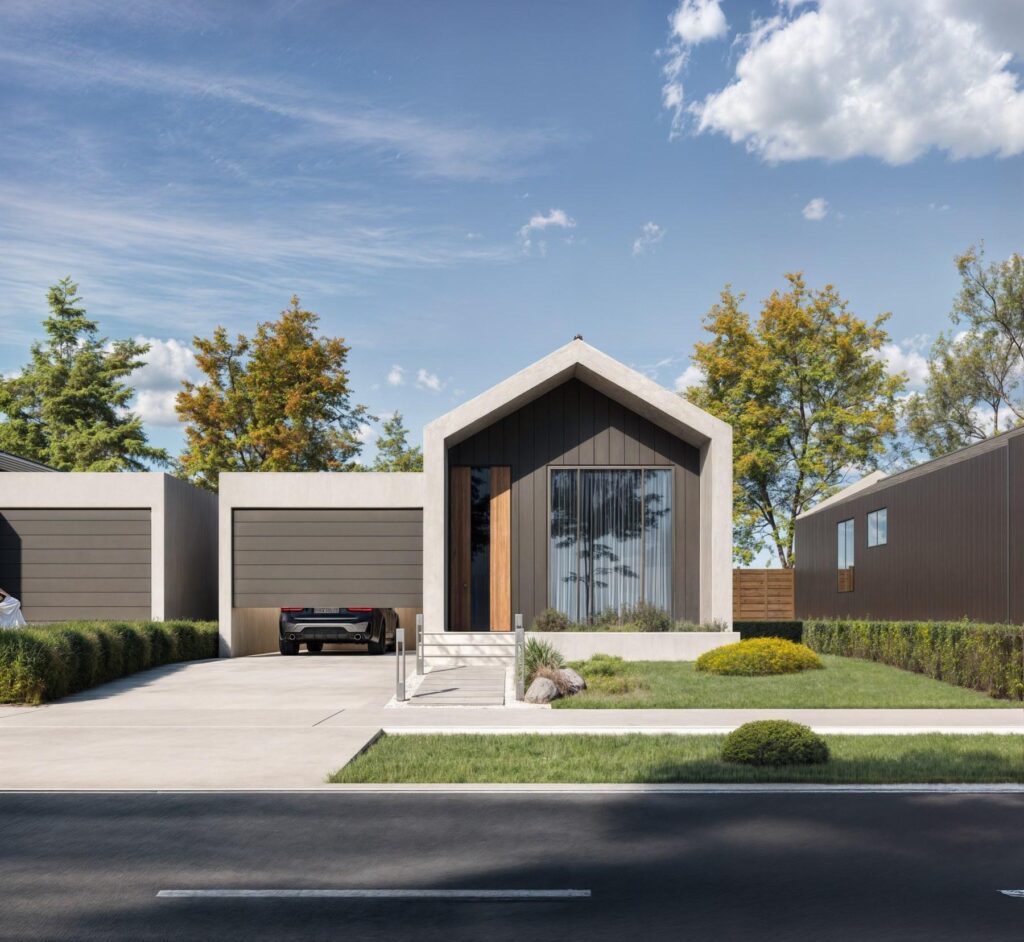
Nexus Life Shepparton, an 81-home resort-style retirement village and land lease community planned for the Goulburn Valley Highway.
A land lease community is a residential model in which you own the dwelling but lease the land it sits on from the community operator. You hold title to the building, you can sell it, renovate it within the community rules, and pass it on, but you do not buy the underlying land. In exchange you pay a regular site fee that covers the lease and the upkeep of the shared facilities and grounds.
The structure matters because of what it removes. Because you are not purchasing land, there is generally no stamp duty on a land component, which can represent a meaningful saving at the point of entry. There is no body corporate or owners corporation in the strata sense, and there are no exit or deferred management fees of the kind that characterise many traditional retirement villages. For eligible residents the Commonwealth Rent Assistance scheme may also apply to the site fee, which can soften the ongoing cost.
It is a different arrangement to a retirement village governed by the Retirement Villages Act, and it is different again from buying a freehold home in a standard estate. Anyone considering a land lease community Victoria should read the site agreement closely and seek independent legal and financial advice, because the terms of the lease, the basis on which site fees can increase, and the conditions of sale all sit in that document. Nexus Developments designs its communities to be transparent on these points rather than burying them.
Own the home, lease the land
The simplest way to understand the model is to separate the two assets. The home is yours; the land is leased. That single distinction is what lowers the entry price, changes the tax treatment, and converts a large lump-sum land purchase into a predictable weekly fee, freeing up capital that downsizers can keep, invest, or use to enjoy retirement.
Why the Model Suits People Over 55
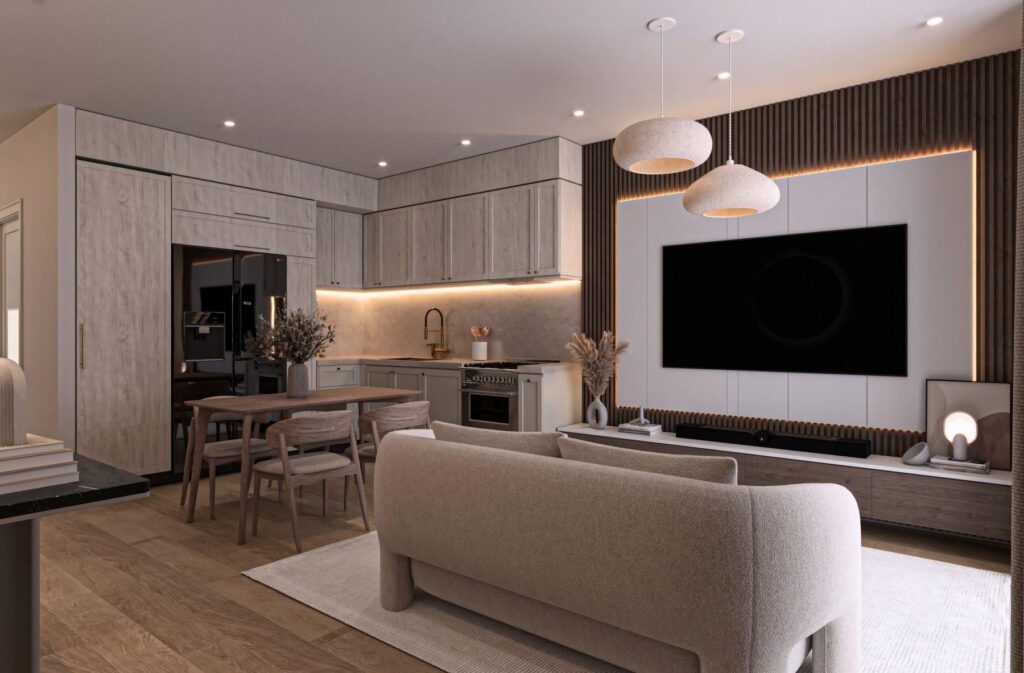
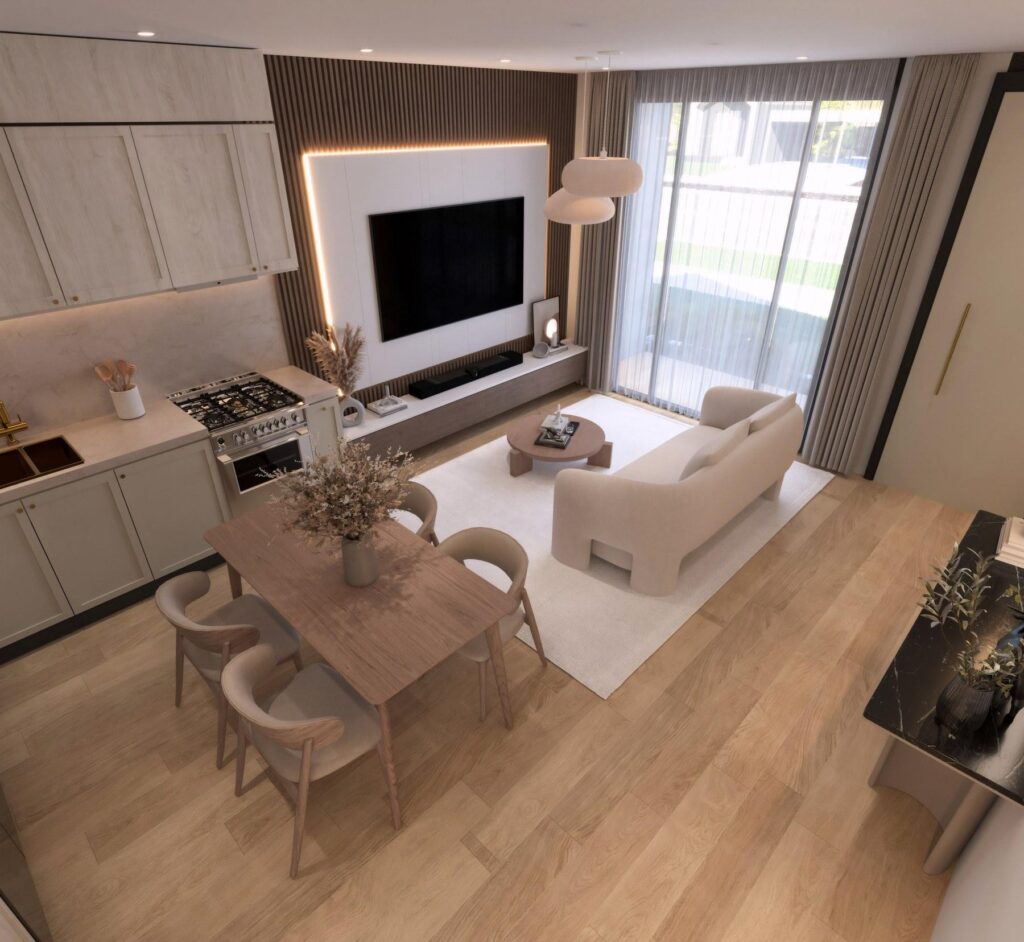
Resort-style amenity at Nexus Life Shepparton is designed to support social connection among residents over 55.
The land lease model is built around a specific stage of life. Residents are typically over 55, often recently retired or approaching it, and frequently downsizing from a larger family home. The appeal is partly financial and partly about the shape of daily life. By selling a freestanding house and moving into a purpose-built home in a community of peers, residents can release equity while moving into a dwelling that is single-level, low-maintenance, and designed for comfortable ageing.
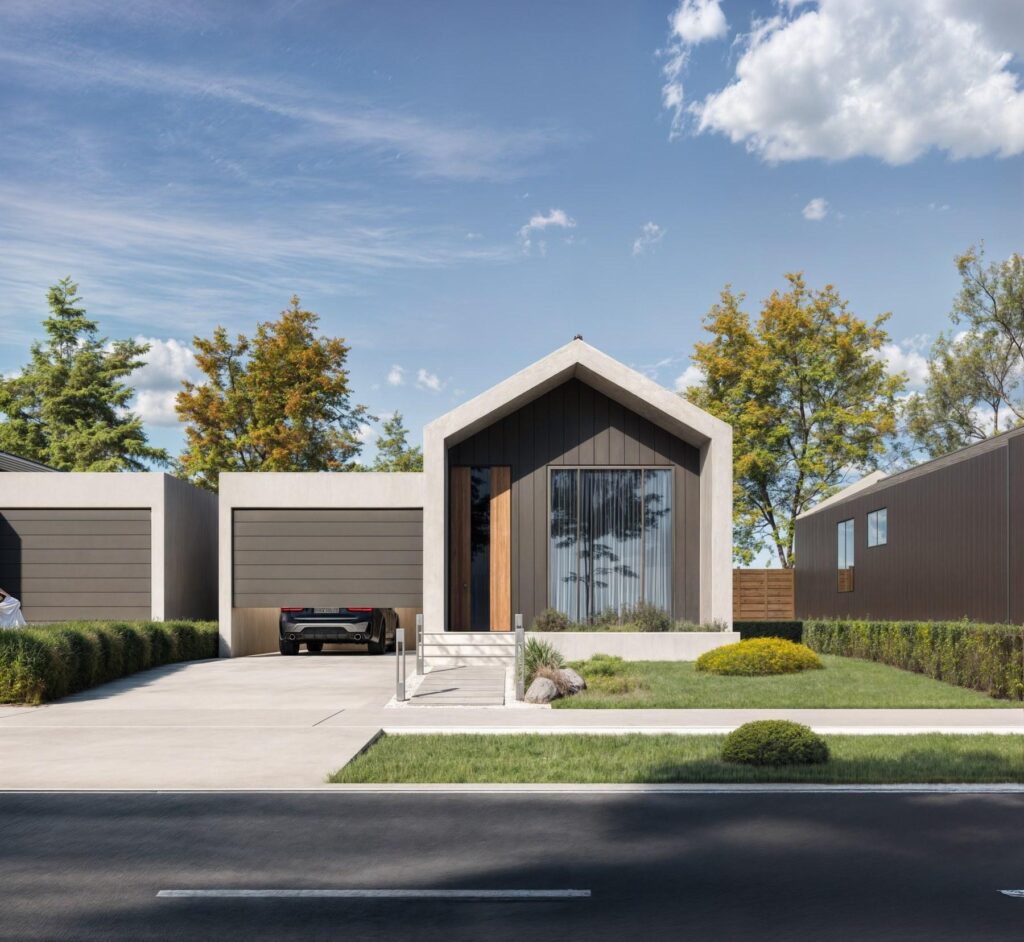
Just as important is the removal of the chores that make a large home feel like a burden. Lawns, gardens, and shared amenity are maintained by the operator. The home itself is new and energy-efficient, which keeps running costs down and reduces the constant small repairs that older houses demand. Nexus Developments builds to a 7 to 8 star NatHERS energy rating on its new dwellings, which means homes that are cheaper to heat and cool through the swing of a Goulburn Valley winter and summer.
There is a social dimension that is harder to quantify but no less real. A 55-plus community brings together people at a similar stage, which makes neighbourly connection easier and helps counter the isolation that can follow when adult children leave and a house becomes too quiet. Nexus Developments treats this not as a marketing line but as a design objective, which is why its retirement projects centre on shared amenity rather than treating it as an afterthought.
What ‘Resort-Style’ Means in Practice
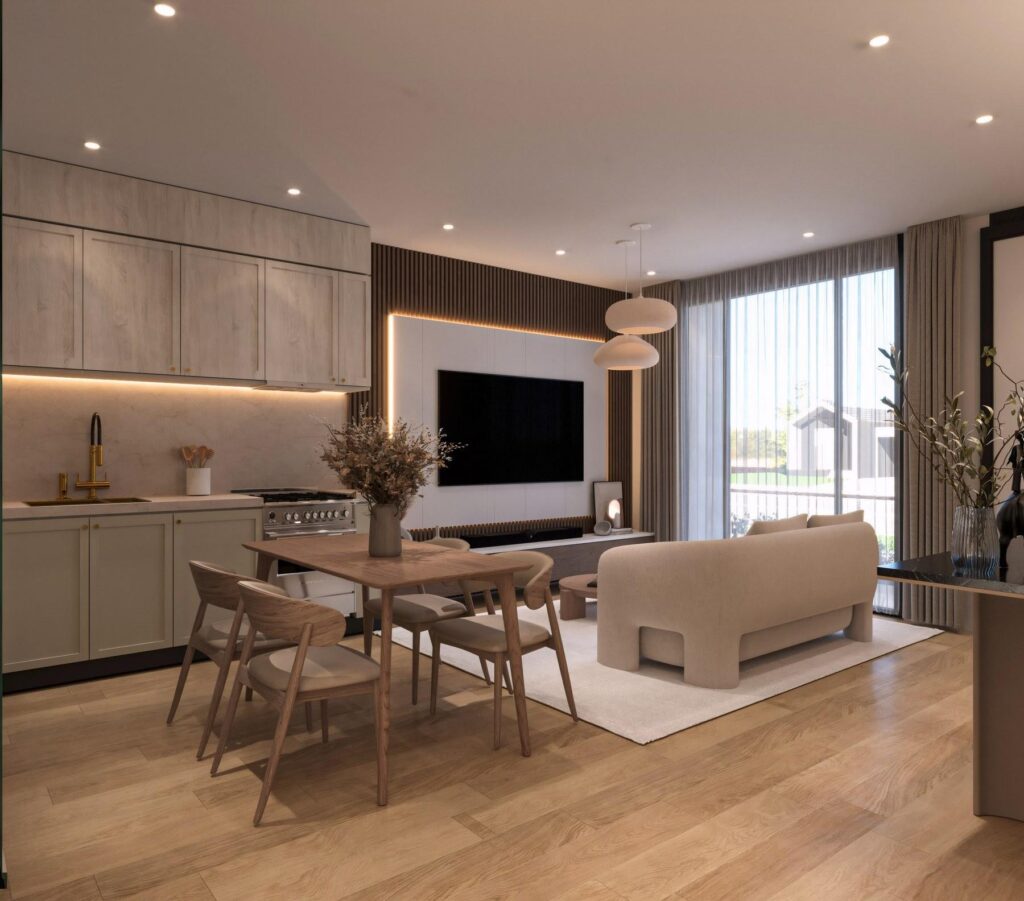
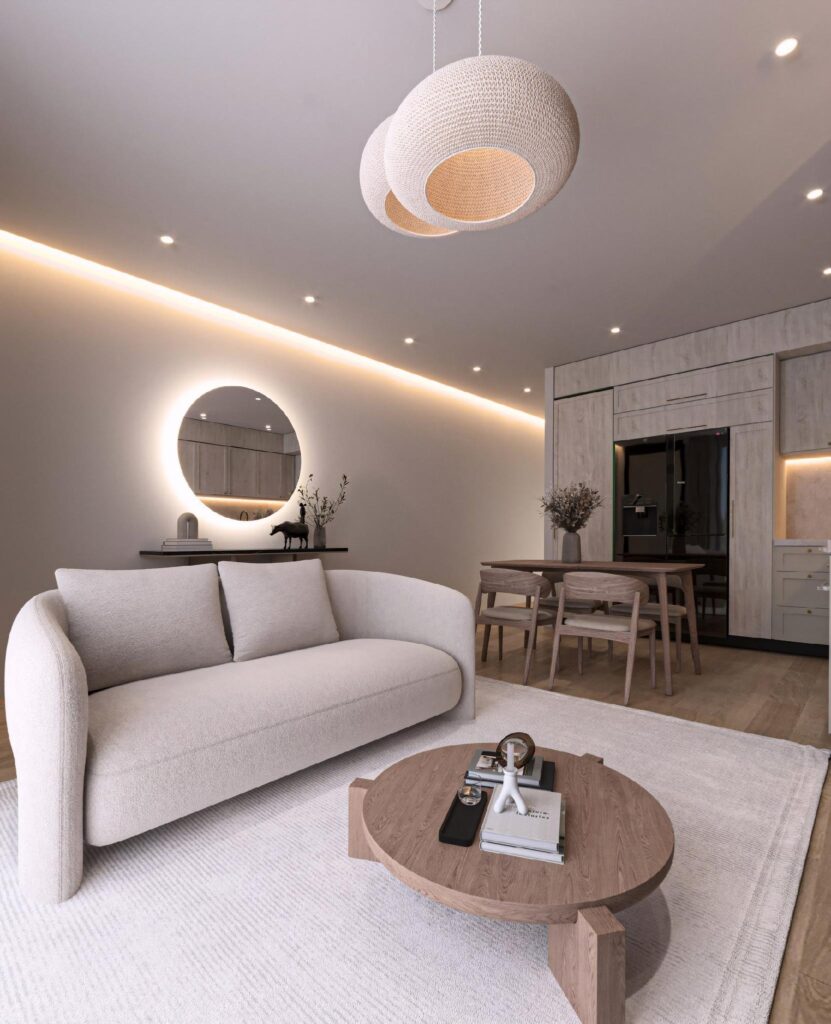
Shared facilities extend the usable space of a modest home, from social areas to wellbeing spaces.
The phrase resort-style is used widely enough that it can lose meaning, so it is worth being concrete. In a resort-style retirement community the shared facilities are intended to do real work in residents’ lives rather than sit as token inclusions. That typically means a clubhouse as a social hub, spaces for fitness and wellbeing, areas for hobbies and gatherings, and landscaped grounds that are pleasant to walk and easy to maintain.
The point of these facilities is that they extend the usable footprint of a modest home. A resident does not need a large house with a formal dining room and a study if the community provides spaces to host, to exercise, and to socialise. The home becomes a comfortable private retreat, and the shared amenity becomes the living room, the gym, and the function space. This is the logic behind the resort-style component of Nexus Life Shepparton, where the amenity is planned as a central part of the 81-home community rather than an add-on.
Resort-style living also changes the rhythm of a week. With maintenance handled and facilities on the doorstep, residents spend less time on upkeep and more time on the things retirement is meant to be for. Nexus Developments designs these communities so that the amenity is genuinely used, which is why it sits at the heart of the masterplan.
Inside Nexus Life Shepparton
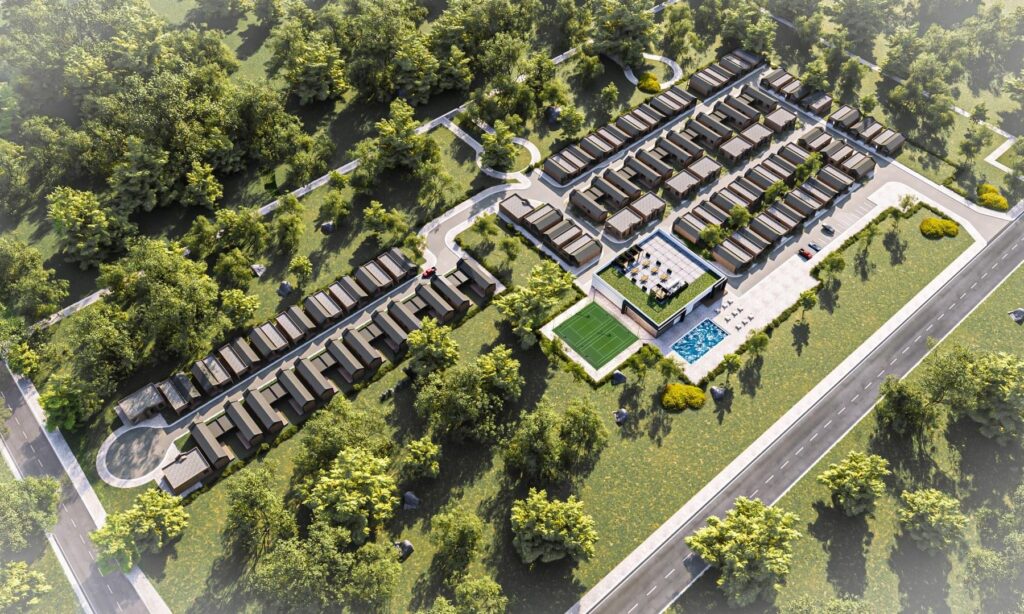
The Nexus Life Shepparton site on the Goulburn Valley Highway connects residents to town services and the regional road network.
Nexus Life Shepparton is a planned 81-home resort-style retirement village and land lease community on the Goulburn Valley Highway in Shepparton, Victoria 3630. It carries a gross realisable value of $42 million and is currently under planning, which means it sits at the stage where masterplanning, approvals, and detailed design are being finalised before construction.
The project is delivered through Nexus Communities, the residential arm of Nexus Developments that spans masterplanned estates, luxury townhouses, and resort-style 55-plus living. Locating the village on the Goulburn Valley Highway places it on a major regional artery with direct connection to Shepparton’s town centre, health services, and the wider regional road network, which matters a great deal to a demographic that values access to medical care and family.
As an 81-home community, Nexus Life Shepparton is large enough to support genuine shared amenity and an active social life, but small enough to retain a sense of neighbourhood. You can see how it sits within the broader Nexus Life Shepparton pipeline alongside the company’s other projects. Nexus Developments has structured it as a land lease community specifically so that residents can own their homes while keeping their entry costs and ongoing obligations clear.
Why Regional Victoria Is Drawing Downsizers
Regional centres like Shepparton combine lower housing costs with established services that suit downsizers.
The demand driving projects like Nexus Life Shepparton is regional rather than metropolitan, and that is no accident. Regional Victorian centres offer a combination that metropolitan retirement increasingly cannot: lower housing costs, established health and retail services, and a slower, more connected way of life. For a downsizer selling a metropolitan home, the price gap between the city and a regional centre can translate directly into released equity.
Shepparton in particular is a substantial regional city, the commercial and service hub of the Goulburn Valley, with hospitals, specialists, shopping, and an established community. For someone over 55 who wants to remain close to medical care and everyday services without the cost and pace of Melbourne, a regional centre of this scale is an appealing middle ground. It is far enough to be genuinely regional, but well-serviced enough not to feel remote.
Nexus Developments reads this demand as part of a broader pattern in how Australians are thinking about later life. The same factors that make regional centres attractive to families, namely affordability, space, and amenity, make them attractive to retirees, and the land lease model gives those retirees a way to access new, purpose-built housing without overcommitting capital. You can read more across the Nexus Developments blogs on how regional infrastructure is shaping demand.
The Financial Picture for Residents
A clear site agreement lets prospective residents assess the financial picture with confidence.
Understanding the numbers is central to any decision about a land lease community. The headline benefit is the lower entry price relative to buying a comparable freehold home, because the resident is not purchasing land. That lower price, combined with the absence of stamp duty on a land component, means more of the proceeds from selling a former home stay with the resident.
The ongoing cost is the site fee, paid regularly, which covers the land lease and the maintenance of shared facilities and grounds. Residents should understand exactly what the fee covers, how and when it can be reviewed, and whether they may be eligible for Commonwealth Rent Assistance, which can apply to site fees for those who qualify. Unlike many traditional retirement villages, a well-structured land lease community does not impose deferred management or exit fees, which means the resident keeps the proceeds when the home is sold.
None of this is financial advice, and the right answer depends on individual circumstances, so prospective residents should seek independent legal and financial guidance before committing. What Nexus Developments aims to provide is a clear, transparent agreement so that residents can make that assessment with confidence rather than guesswork. The company would rather a resident fully understand the model than sign up on the strength of a glossy brochure.
Building to Last: Quality and Sustainability
A retirement home is meant to be lived in for a long time, which makes build quality and running costs especially important. Nexus Developments builds its new dwellings to a 7 to 8 star NatHERS energy rating, a standard that measures the thermal performance of a home and translates directly into lower heating and cooling bills. For residents on a fixed income, predictable and lower running costs are not a luxury but a core part of the value proposition.
That standard also speaks to comfort. A home that holds its temperature well is more pleasant to live in across the extremes of a regional Victorian climate, where summers are hot and winters are cold. Building to 7 to 8 stars means residents are less reliant on running air conditioning and heating constantly, which is better for both the household budget and the environment.
This sits within the broader ESG commitments that Nexus Developments carries across its portfolio, including 600-plus dwellings committed to the National Housing Accord. The company applies the same construction standards to a resort-style retirement community that it applies across its $400 million-plus pipeline, so residents of Nexus Life Shepparton benefit from the same engineering discipline as buyers in any other Nexus Developments project.
How Land Lease Fits the Wider Nexus Developments Portfolio
Resort-style retirement living sits within the broader Nexus Developments portfolio of more than 16 projects.
Nexus Life Shepparton is one project within a much larger and more diverse business. Nexus Developments is a Melbourne-based multi-sector property developer with a pipeline exceeding $400 million across 16 projects and seven sectors, guided by the tagline “Building Sustainable Communities. Distributing Wealth.” Resort-style retirement living is one expression of that, sitting alongside masterplanned residential estates, luxury homes, disability accommodation, childcare, and commercial precincts.
The advantage of a developer working across multiple sectors is that lessons travel. The community design thinking behind a 55-plus village draws on the same masterplanning capability that shapes a residential estate, and construction and sustainability standards stay consistent. Nexus Developments brings that breadth to each project rather than treating retirement living as a niche apart.
For anyone weighing a move into a land lease community, that institutional depth offers reassurance. Behind an individual home is a developer with a substantial pipeline, established governance partners including Colliers and Maddocks, and a track record of completed projects across Victoria. Nexus Developments is building Nexus Life Shepparton with the same long-term mindset it applies to every part of its portfolio.
Frequently Asked Questions
What is the difference between a land lease community and a retirement village?
In a land lease community you own your home but lease the land beneath it, paying a regular site fee, with typically no deferred management or exit fees. A traditional retirement village is governed by separate legislation and often has a different fee structure, including exit fees. Nexus Developments structures Nexus Life Shepparton as a land lease community so residents own their home and keep the proceeds when they sell.
Who can live in a land lease community in Victoria?
Land lease communities of this kind are generally designed for residents over 55, including retirees and those approaching retirement who are often downsizing from a larger home. Nexus Life Shepparton is planned as an 81-home resort-style retirement village and land lease community for this demographic.
Where is Nexus Life Shepparton located?
Nexus Life Shepparton is planned for the Goulburn Valley Highway in Shepparton, Victoria 3630, placing it on a major regional artery with direct access to the town centre, health services, and the wider road network. The $42 million project by Nexus Developments is currently under planning.
What does resort-style living include?
Resort-style living centres on shared amenity that extends the usable space of a modest home, typically a clubhouse, wellbeing and fitness spaces, areas for hobbies, and landscaped grounds maintained by the operator. At Nexus Life Shepparton the amenity is planned as a central part of the 81-home community.
Is buying into a land lease community a financial decision I should get advice on?
Yes. The site agreement terms, the basis for site fee reviews, Commonwealth Rent Assistance eligibility, and the conditions of sale all affect the outcome, so prospective residents should seek independent legal and financial advice. Nexus Developments aims to provide a transparent agreement, but this article is general information and not financial advice.
About Nexus Developments
Nexus Developments is a leading multi-sector property development company based in Melbourne, Australia, with a project pipeline of over $400 million across residential, NDIS Specialist Disability Accommodation, Montessori childcare, education and commercial real estate. Founded by Bhupendra (Ben) Sethia — a 25-year industry leader and Founder Chairman of JITO Australia — Nexus Developments operates with institutional-grade governance, partnerships with Colliers and Maddocks, a 7-8 star NatHERS energy standard on every new dwelling, and a commitment to contribute more than 600 dwellings to the National Housing Accord.
Across Nexus Communities, Nexus Care, Nexus Learning, Nexus Commercial and the Nexus Wealth Fund, Nexus Developments delivers projects designed to compound long-term value for investors and communities alike. Whether you are an investor seeking exposure to Melbourne property development, a first-home buyer looking at Melbourne growth corridors, a family considering NDIS-accredited Specialist Disability Accommodation, or a landowner looking for a delivery partner, Nexus Developments has a pathway for you.
Take the next step with Nexus Developments
→ Explore current Nexus Developments projects across Melbourne and regional Victoria
→ Register your interest in a Nexus Developments residential community
→ Speak to our investor relations team about the Nexus Wealth Fund
→ Learn how Nexus Care designs SDA housing built for independence
→ Read more insights and market intelligence from the Nexus team
Building Sustainable Communities · Distributing Wealth
Nexus Developments APAC · nexusdevelopments.com.au · info@nexusdevelopments.com.au
Disclaimer: This article is general information only and does not constitute financial, investment, legal or tax advice. Investments in Nexus Wealth Fund products are available to wholesale and sophisticated investors as defined under the Corporations Act 2001 (Cth). Past performance is not a reliable indicator of future performance. Renders are artist impressions and indicative only.