

Melbourne is one of the fastest-growing cities in the developed world, and that growth does not spread evenly. It concentrates along corridors, the bands of land on the city’s edges and into regional Victoria where new housing, transport, and services are planned and built together. Understanding where those corridors are, and which are next in line for major infrastructure, is the single most useful thing an investor or homebuyer can do to anticipate where demand will be strongest over the coming decade.
The logic is straightforward but often overlooked. People move to where homes are affordable and where they can get to work, school, and services. Infrastructure, namely roads, rail, hospitals, schools, and town centres, is what turns a paddock on the urban fringe into a place people want to live. When governments commit to that infrastructure, they are signalling years in advance where population and economic activity will land. The developers who read those signals early are the ones building in the right place at the right time.
This article maps the major Melbourne growth corridors, explains how infrastructure-led thinking shapes where development happens, and shows how Nexus Developments applies that thinking across its pipeline. Nexus Developments is a Melbourne-based multi-sector property developer with more than $400 million across 16 projects and seven sectors, and its approach can be summarised in a single line: we follow the infrastructure budget.
What a Growth Corridor Actually Is
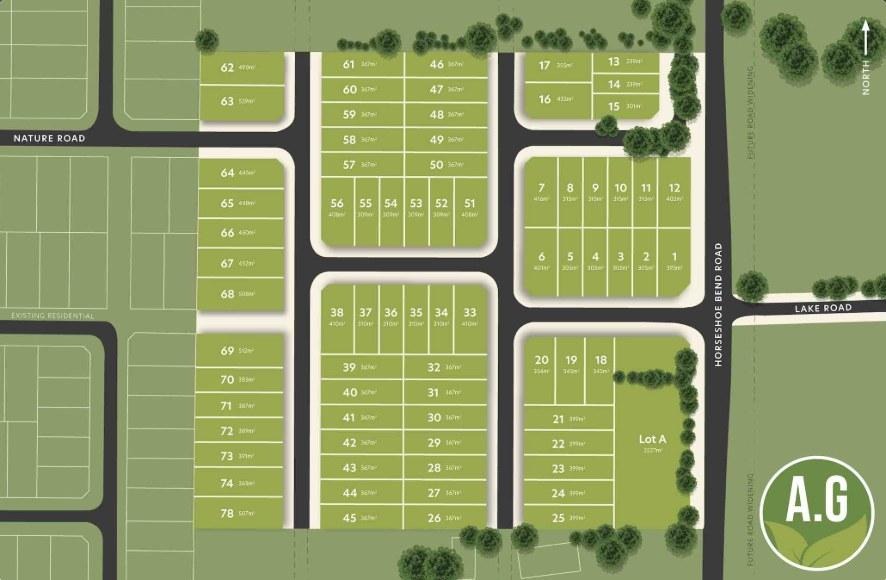
Growth corridors concentrate new housing where transport, schools, and services can be efficiently delivered.
A growth corridor is a designated band of land where a city directs its outward expansion. Rather than letting development sprawl in every direction at once, planning authorities concentrate new housing along corridors that can be efficiently serviced with transport, utilities, schools, and health infrastructure. This is how Melbourne has grown for decades, and it is how it will continue to grow.
The corridors matter to buyers and investors because they are where the future population will be. Land within a designated growth corridor is earmarked for the homes, employment, and services that a growing city needs, which means it is where new estates, town centres, and amenities are built. Buying or developing within a corridor is, in effect, buying into the city’s planned trajectory rather than betting against it.
The discipline that separates good corridor investment from speculation is timing and sequence. Not all parts of a corridor develop at once; they activate in stages as infrastructure is delivered. Nexus Developments structures its melbourne growth corridors strategy around this sequence, positioning projects where committed infrastructure is about to unlock demand rather than where it might one day arrive.
Follow the Infrastructure Budget
The clearest signal of where a city is heading is where governments are spending. A state infrastructure budget is, in effect, a forward map of demand: it shows which roads will be upgraded, where new rail and stations will go, which hospitals and schools are funded, and which precincts are being prepared for growth. Each of those commitments raises the value and liveability of the land around it.
This is why Nexus Developments describes its strategy as following the infrastructure budget. When a government funds a freeway upgrade, a rail extension, or a new regional hospital, it is committing to support population growth in that area for years to come. Development that anticipates those commitments is positioned to benefit as the infrastructure is delivered and the area matures.
The approach is deliberately unsentimental. Rather than chasing fashionable suburbs or reacting to short-term price movements, the focus is on the structural drivers, namely the funded infrastructure that will shape where people can live and work over a ten-year horizon. Nexus Developments applies this lens across its All Projects pipeline, concentrating capital where the infrastructure case is strongest.
Armstrong Creek: The Geelong Growth Engine
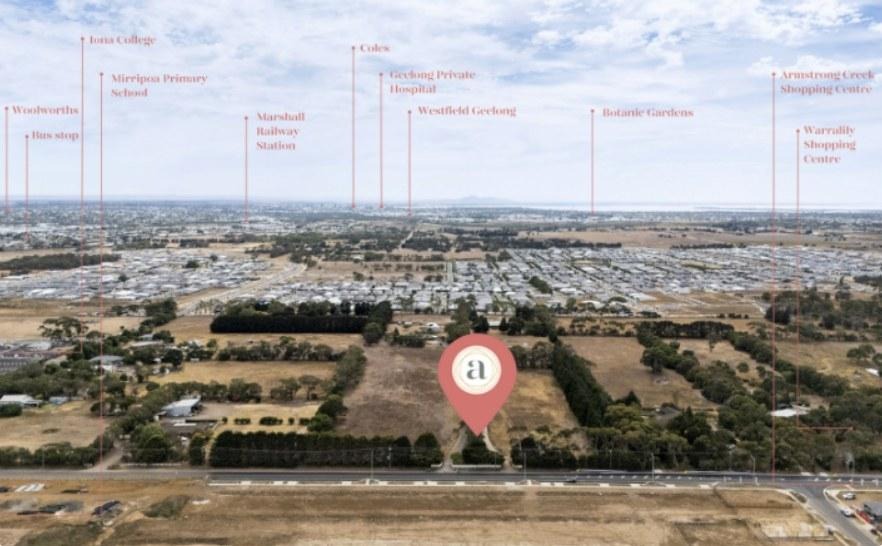
Allemore Charlemont and Armstrong Grove give Nexus Developments a 150-lot footprint in the Armstrong Creek growth corridor.
Armstrong Creek, on the southern edge of Geelong, is one of Victoria’s most significant growth fronts. It is a large, planned urban growth area created to accommodate tens of thousands of new residents, supported by new road connections, schools, town centres, and community facilities. Its proximity to Geelong, the surf coast, and improving transport links to Melbourne make it a compelling proposition for families seeking space and affordability.
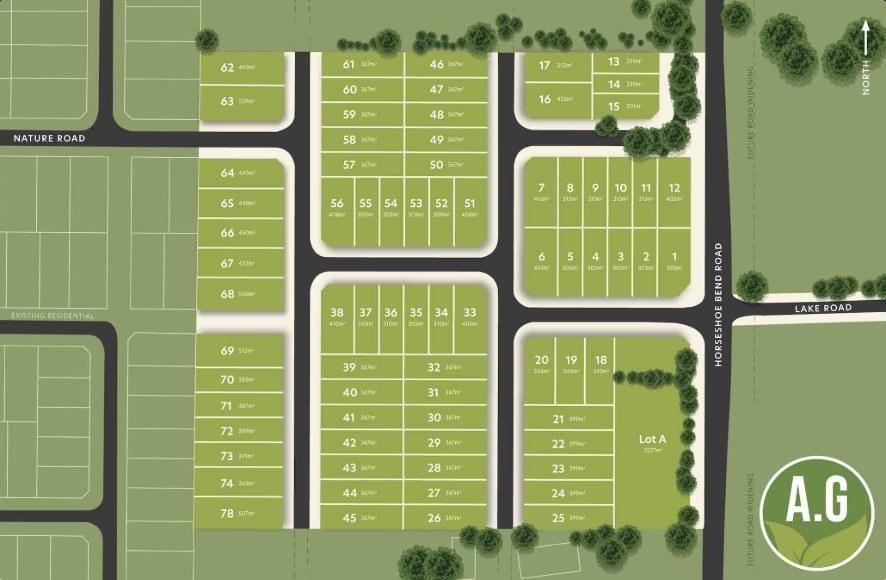
Nexus Developments has a direct presence here through Armstrong Grove, a 75-lot residential subdivision on Bend Road, Armstrong Creek, with a value of $30 million and currently under construction. It sits alongside Allemore Charlemont, a completed project of 75 lots plus one super lot worth $32 million in the adjoining Charlemont area. Taken together, the company’s Armstrong Creek corridor presence spans 150 lots plus one super lot, with a combined gross realisable value of $62 million.
That scale gives Nexus Developments a meaningful footprint in one of the state’s defining growth corridors. You can see the Armstrong Grove project within the company’s residential portfolio. Both projects are delivered through Nexus Communities, the residential arm of Nexus Developments, and both reflect the corridor logic of building where infrastructure and population growth are converging.
Beveridge and the Northern Corridor
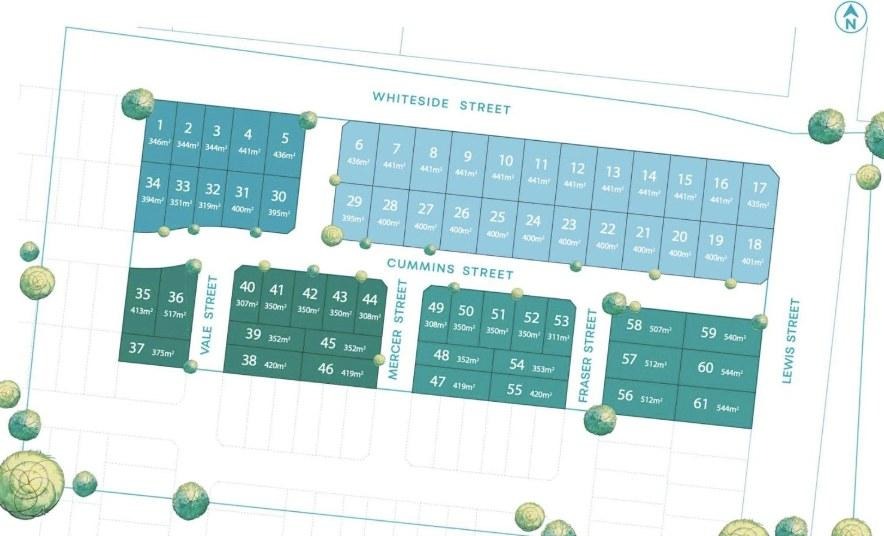
The Clan Estate in Beveridge sits on Melbourne’s northern growth corridor along the Hume Freeway axis.
Melbourne’s northern corridor, running through Beveridge and the surrounding districts of the Mitchell and Hume growth areas, is one of the city’s fastest-developing fronts. Sitting on the Hume Freeway corridor north of the metropolitan edge, Beveridge is positioned to absorb significant population growth as Melbourne expands outward along its northern transport spine.
Nexus Developments delivered The Clan Estate here, a 61-lot residential community on Lewis Street, Beveridge, valued at $18.5 million and now completed. The project demonstrates the corridor thesis in action: a residential community built where freeway access and planned growth-area infrastructure support the arrival of new households seeking affordable, well-connected housing.
The northern corridor is precisely the kind of area where the infrastructure-led approach pays off. As road and rail commitments along the Hume axis progress, areas like Beveridge become more accessible and more attractive, supporting demand for the housing built there. You can explore The Clan Estate among the completed projects delivered by Nexus Developments.
Wyndham: Education and Population Together
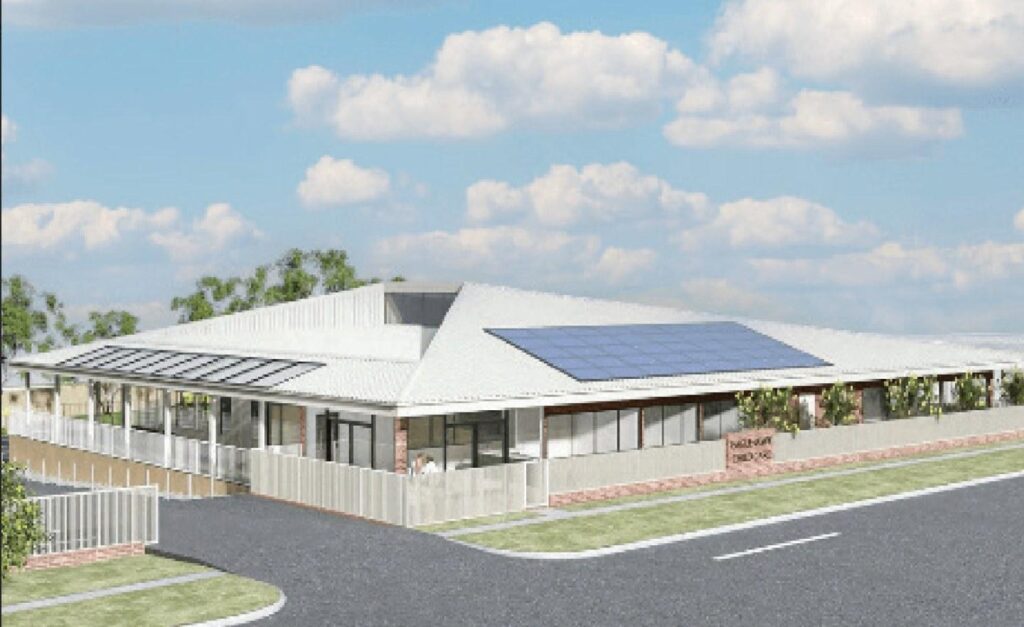
In high-growth corridors, demand for schools and childcare follows population, a gap Nexus Learning is built to fill.
The Wyndham growth area in Melbourne’s west is among the most populous and fastest-growing local areas in Australia. Driven by relative affordability, large land releases, and improving transport, Wyndham has absorbed enormous population growth, and with that growth comes acute demand for the services that families need, especially schools and childcare.
Nexus Developments is responding to that demand through Nexus Learning, its education and childcare vertical. The company has Wyndham Grammar School in its pipeline, a planned school for up to 800 students across two levels with a value of $52 million, currently under planning. This is corridor thinking applied beyond housing: where population surges, the demand for education infrastructure follows close behind.
Building schools and childcare in a fast-growing corridor is a direct expression of the infrastructure-led approach. Rather than only delivering homes, Nexus Developments delivers the social infrastructure that makes a growth area function, through Nexus Learning and its broader portfolio. That breadth lets the company support a corridor’s growth across multiple sectors at once.
Sunshine: A Transport-Led Renewal

The Sunshine Precinct is a transport-led renewal play, capturing demand created by major rail investment in Melbourne’s inner west.
Not every growth corridor is on the urban fringe. Sunshine, in Melbourne’s inner west, is a major transport interchange poised to become one of the most significant nodes in the metropolitan network as state and national rail projects converge on it. Investment of this scale in a single location tends to catalyse renewal, drawing housing, retail, and employment toward the improved connectivity.
Nexus Developments has the Sunshine Precinct in its pipeline, a mixed-use development combining accommodation, retail, and an entrepreneurship hub, valued at $48 million and listed as coming soon. It is a different kind of corridor play to a fringe subdivision: rather than greenfield expansion, it is transport-led urban renewal, capturing demand created by major infrastructure investment in an established location.
The Sunshine Precinct shows how the same infrastructure logic applies across very different settings. Whether on the edge of Geelong or at an inner-west transport interchange, Nexus Developments positions its projects where committed infrastructure is set to drive demand. The precinct is delivered through Nexus Commercial, the company’s mixed-use development arm.
Reading Corridors as a Buyer or Investor
Nexus Developments spreads its pipeline across multiple corridors, diversifying exposure to infrastructure-driven demand.
For an individual buyer or investor, the practical lesson of corridor thinking is to look past the property itself and study the trajectory of the area around it. The questions that matter are about infrastructure: what is funded, what is under construction, and what is committed but not yet built. A home in an area with funded road, rail, school, and health infrastructure is a different proposition to one in an area still waiting for those commitments.
Timing within the corridor cycle is the other key consideration. Areas in the early stages of a corridor’s activation may offer better value but require patience, while more mature areas offer established amenity at a higher entry point. Understanding where a project sits in that cycle helps a buyer set realistic expectations about both price and lifestyle.
This is the analysis Nexus Developments performs before committing to a site, and it is why the company spreads its pipeline across multiple corridors and sectors rather than concentrating in one. With more than 16 projects across seven sectors, Nexus Developments is positioned along several of Melbourne and regional Victoria’s most important growth fronts, diversifying its exposure to the infrastructure that drives demand.
Frequently Asked Questions
What is a Melbourne growth corridor?
A growth corridor is a designated band of land where Melbourne directs its outward expansion, concentrating new housing where transport, utilities, schools, and health infrastructure can be efficiently delivered. Buying or developing within a corridor means investing in the city’s planned trajectory. Nexus Developments structures its strategy around the sequence in which these corridors activate.
What does ‘follow the infrastructure budget’ mean?
It means using government infrastructure spending as a forward map of demand. When a road upgrade, rail extension, hospital, or school is funded, it signals where population and economic activity will grow. Nexus Developments concentrates its projects where committed infrastructure is set to unlock demand rather than where it might one day arrive.
Which growth corridors does Nexus Developments operate in?
Nexus Developments has projects across several fronts, including the Armstrong Creek corridor near Geelong (Armstrong Grove and Allemore Charlemont, 150 lots and one super lot, $62M combined), Beveridge on the northern corridor (The Clan Estate), Wyndham in the west (Wyndham Grammar School), and Sunshine in the inner west (the Sunshine Precinct).
How big is the Armstrong Creek presence for Nexus Developments?
In the Armstrong Creek corridor, Nexus Developments has Armstrong Grove (75 lots, $30M, under construction) and the completed Allemore Charlemont (75 lots plus one super lot, $32M). Combined, that is 150 lots plus one super lot with a gross realisable value of $62 million.
How should a buyer use corridor thinking?
Look past the individual property to the trajectory of the area, focusing on what infrastructure is funded, under construction, and committed. Consider where the project sits in the corridor’s activation cycle, since earlier-stage areas may offer better value but require patience. Nexus Developments applies this same analysis before committing to any site.
About Nexus Developments
Nexus Developments is a leading multi-sector property development company based in Melbourne, Australia, with a project pipeline of over $400 million across residential, NDIS Specialist Disability Accommodation, Montessori childcare, education and commercial real estate. Founded by Bhupendra (Ben) Sethia — a 25-year industry leader and Founder Chairman of JITO Australia — Nexus Developments operates with institutional-grade governance, partnerships with Colliers and Maddocks, a 7-8 star NatHERS energy standard on every new dwelling, and a commitment to contribute more than 600 dwellings to the National Housing Accord.
Across Nexus Communities, Nexus Care, Nexus Learning, Nexus Commercial and the Nexus Wealth Fund, Nexus Developments delivers projects designed to compound long-term value for investors and communities alike. Whether you are an investor seeking exposure to Melbourne property development, a first-home buyer looking at Melbourne growth corridors, a family considering NDIS-accredited Specialist Disability Accommodation, or a landowner looking for a delivery partner, Nexus Developments has a pathway for you.
Take the next step with Nexus Developments
→ Explore current Nexus Developments projects across Melbourne and regional Victoria
→ Register your interest in a Nexus Developments residential community
→ Speak to our investor relations team about the Nexus Wealth Fund
→ Learn how Nexus Care designs SDA housing built for independence
→ Read more insights and market intelligence from the Nexus team
Building Sustainable Communities · Distributing Wealth
Nexus Developments APAC · nexusdevelopments.com.au · info@nexusdevelopments.com.au
Disclaimer: This article is general information only and does not constitute financial, investment, legal or tax advice. Investments in Nexus Wealth Fund products are available to wholesale and sophisticated investors as defined under the Corporations Act 2001 (Cth). Past performance is not a reliable indicator of future performance. Renders are artist impressions and indicative only.