
For most of the twentieth century, planning kept the parts of a city apart. Homes went in one place, shops in another, workplaces in a third, and people drove between them. That model is now widely understood to be inefficient, costly to service and at odds with how people actually want to live. The response is mixed use development, and in Melbourne it is increasingly concentrated in the city’s activity centres.
An activity centre is a hub where housing, retail, employment, transport and services come together at density. As Melbourne grows, these centres are where much of that growth is meant to be directed, because building up around existing infrastructure is far more sustainable than spreading ever further across the fringe. Mixed-use precincts are the building blocks of that vision, and Nexus Developments is delivering one of them.
This article explains why mixed-use precincts matter to the future of Melbourne’s activity centres, how the Nexus Developments commercial vertical approaches them, and what its Sunshine Precinct, a $48M mixed-use accommodation, retail and entrepreneurship hub, contributes to that picture. The aim is to make clear why combining uses on a single site is not a planning fashion but a practical answer to how cities should grow.
What an Activity Centre Is and Why It Matters

*The Sunshine Precinct, a mixed-use accommodation, retail and entrepreneurship hub.*
An activity centre, in Melbourne’s planning language, is a focal point in the urban network where a concentration of homes, shops, jobs, services and transport supports a high level of daily activity. They range from major centres anchoring whole regions to smaller neighbourhood hubs, but the principle is the same: bring uses together so people can meet more of their needs in one place.
Activity centres matter because they offer a more sustainable shape for urban growth. Directing new development into established centres uses existing roads, rail, drainage and services rather than requiring expensive new infrastructure on the fringe. It also reduces car dependence, because when homes, shops and workplaces sit close together, more trips can be made on foot or by public transport.
This is the planning context in which mixed use development in Melbourne now operates. Nexus Developments works within that framework through Nexus Commercial, its vertical dedicated to mixed-use precincts, which is structured precisely to deliver the kind of integrated projects activity centres are meant to attract.
Why Mixed-Use Beats Single-Use
The case for mixed-use development rests on how the uses reinforce one another. Homes above shops give those shops a built-in customer base and keep the street populated outside business hours. Workplaces bring daytime activity that supports cafes and services. A genuine mix produces a precinct that is alive across the day rather than busy for a few hours and dead the rest of the time.
Single-use zoning, by contrast, tends to create places that work only at certain hours. An office park empties at night; a dormitory suburb empties by day; a retail strip with no homes above it has no after-hours life. Mixing uses on a single site is how a precinct achieves the round-the-clock vitality that makes activity centres feel safe, convenient and worth being in.
Nexus Developments designs its commercial precincts around this logic. Rather than stacking unrelated uses for the sake of density, the company plans how accommodation, retail and workspace can actively support one another, which is the difference between a true mixed-use precinct and a collection of separate buildings on one block.
The Sunshine Precinct
*The Sunshine Precinct, a $48M mixed-use development planned for Melbourne’s west.*
The flagship of the Nexus Developments commercial work is the Sunshine Precinct in Sunshine, a mixed-use accommodation, retail and entrepreneurship hub valued at $48M. Sunshine is a major activity centre in Melbourne’s west, well served by transport and earmarked for significant growth, which makes it a fitting location for a precinct of this kind.
The combination of uses at Sunshine is deliberate. Accommodation provides residents and a resident customer base; retail serves both those residents and the wider catchment; and the entrepreneurship hub adds a layer of economic activity that most mixed-use projects lack. Together they create a precinct designed to generate its own daily life rather than depend entirely on passing trade.
As a project that is coming soon, the Sunshine Precinct represents the next stage of the Nexus Developments contribution to Melbourne’s activity centres. It applies the company’s mixed-use thinking to a real, growing centre in the city’s west, where the planning intent and the development model align closely.
Accommodation, Retail and an Entrepreneurship Hub
Most mixed-use projects combine two ingredients: somewhere to live and somewhere to shop. The Sunshine Precinct adds a third, an entrepreneurship hub, which is what gives it a distinctive role in its activity centre. The hub is intended to support new businesses and economic activity, turning the precinct into a place that creates jobs as well as housing them.
An entrepreneurship hub changes the character of a precinct. It draws people who are starting and growing businesses, which generates demand for the retail and services around it and gives the accommodation component a population with a reason to be there during the day. The three uses are designed to feed one another rather than simply coexist.
This is consistent with the broader Nexus Developments mission, captured in the tagline Building Sustainable Communities, Distributing Wealth. An entrepreneurship hub is a direct way to distribute economic opportunity, embedding wealth creation into the fabric of a precinct rather than treating commercial development as purely a property exercise.
Designing for Economic Activity
Including an entrepreneurship hub means designing for businesses that do not yet exist, with flexible spaces that can adapt as ventures grow. Nexus Developments treats this adaptability as central to the Sunshine Precinct, so the building can support economic activity over time rather than locking in a single use.
Mixed-Use and the Pressure to House More People
Mixed-use precincts are not only about vitality; they are part of how Melbourne accommodates a growing population. By including accommodation within activity centres, mixed-use projects add homes in exactly the locations planning policy favours, close to transport, services and jobs, which eases pressure on the urban fringe.
This connects the commercial work directly to the housing ambitions of Nexus Developments. The company has committed 600+ dwellings to the national housing accord, and mixed-use precincts like Sunshine contribute to that broader goal by delivering homes within established centres rather than only in greenfield estates.
Building homes where infrastructure already exists is among the most efficient ways to grow a city. Through mixed use development in Melbourne’s activity centres, Nexus Developments is able to pursue housing supply and economic vitality at the same time, on the same sites, rather than treating them as separate problems.
How Mixed-Use Connects to the Wider Pipeline
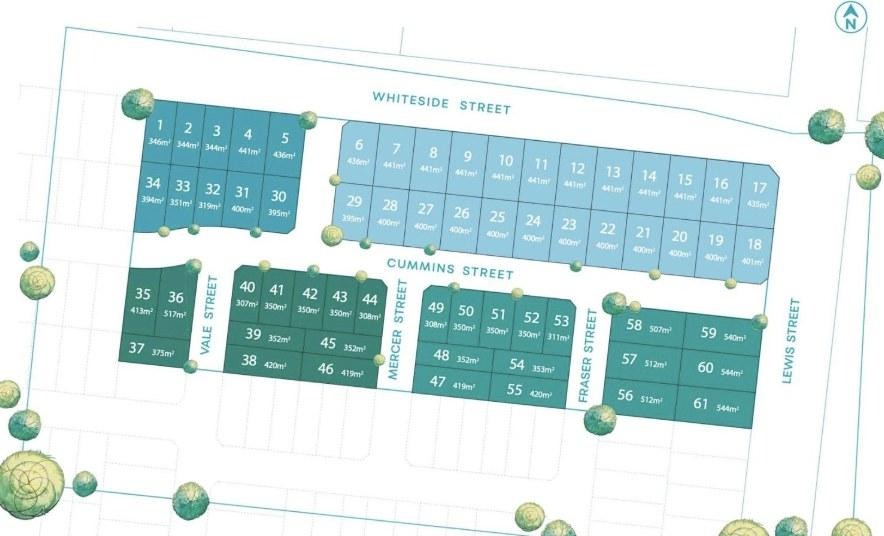
*The Clan Estate, an example of the masterplanned community thinking Nexus Developments brings to mixed-use precincts.*
The Sunshine Precinct does not sit in isolation. It is one expression of a $400M-plus pipeline across 16 projects and seven sectors, and the experience Nexus Developments has gained in residential, care and education work feeds directly into how it plans mixed-use precincts.
The company’s residential expertise through Nexus Communities informs the accommodation component, while its understanding of how communities actually function shapes the retail and public realm. A developer that builds across sectors brings a more complete view of what makes a precinct work than one that builds offices or apartments alone.
That breadth also brings discipline. The same governance partnerships, with Colliers for advisory and market intelligence and Maddocks for legal, planning and compliance, that underpin the rest of the portfolio apply to the commercial work, which is how Nexus Developments delivers a complex mixed-use project with the rigour it requires.
Corridors, Centres and the Shape of Growth
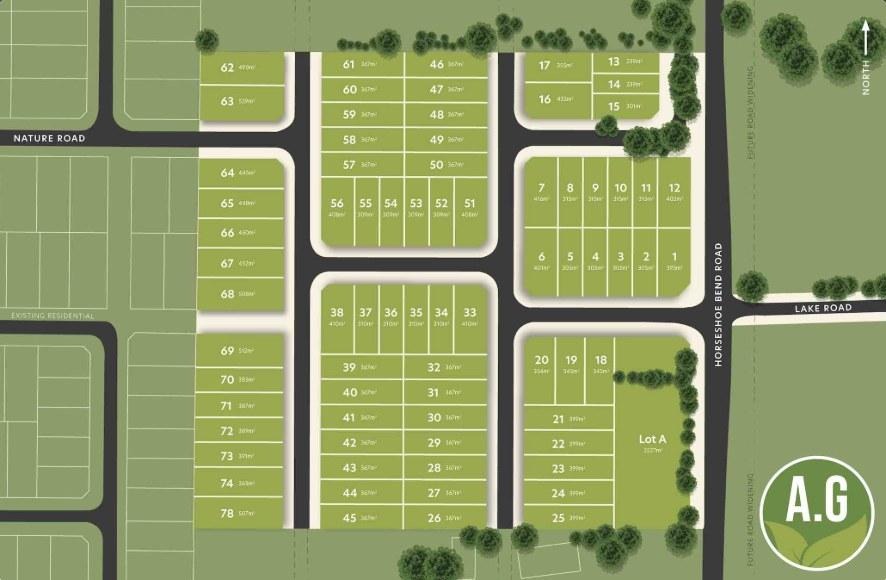
*Armstrong Grove, part of the Armstrong Creek growth corridor that feeds Melbourne’s activity centres.*
Activity centres do not exist in isolation; they sit within growth corridors that carry much of Melbourne’s expansion. The Armstrong Creek corridor, where Nexus Developments delivers 150 lots plus one super lot across Armstrong Grove and Allemore Charlemont with a combined gross realisable value of $62M, shows how residential growth and centre-based development complement each other.
Corridors provide the population that activity centres serve, and centres provide the services and jobs that make corridor living workable. A developer active in both, as Nexus Developments is, can see how the pieces fit together and plan accordingly, rather than treating each project as a standalone bet.
Mixed-use precincts are the points where corridor growth is concentrated into something walkable and complete. The Sunshine Precinct is one such point, and it reflects a reading of Melbourne’s growth in which centres and corridors are designed as parts of a single system.
The Future of Melbourne’s Activity Centres
The direction of travel for Melbourne is clear: more growth directed into activity centres, more homes near transport, and more places where living, working and shopping happen on the same few blocks. Mixed use development in Melbourne is the mechanism that delivers this, and precincts like Sunshine are early examples of what it looks like in practice.
For Nexus Developments, the future of activity centres is not an abstraction but an active part of its pipeline. The Sunshine Precinct, the broader commercial vertical, and the company’s residential and corridor work together describe a coherent view of how Melbourne should grow, centred on density that is genuinely liveable.
Readers who want to see how the mixed-use work fits within the company’s full body of projects can review the All Projects page. It places the Sunshine Precinct alongside the rest of the Nexus Developments pipeline and shows how mixed-use precincts sit within the larger picture of the city’s growth.
Frequently Asked Questions
What is a mixed-use development?
A mixed-use development combines more than one use, typically housing, retail and workspace, on a single site so the uses reinforce one another. Homes give shops a customer base and keep streets active outside business hours, while workplaces bring daytime activity, producing a precinct that is alive across the day rather than only at certain hours.
What is the Sunshine Precinct?
The Sunshine Precinct is a mixed-use accommodation, retail and entrepreneurship hub in Sunshine, Victoria, valued at $48M and coming soon. It is the flagship project of the Nexus Commercial vertical of Nexus Developments and combines three uses to create a precinct designed to generate its own daily activity.
Why do activity centres matter for Melbourne’s growth?
Activity centres concentrate homes, shops, jobs and transport in one place, which is a more sustainable shape for growth. Directing development into established centres uses existing infrastructure rather than requiring expensive new services on the fringe, and reduces car dependence by placing daily needs close together. Mixed-use precincts are the building blocks of these centres.
How does an entrepreneurship hub change a precinct?
An entrepreneurship hub adds a layer of economic activity most mixed-use projects lack. It draws people starting and growing businesses, which generates demand for surrounding retail and services and gives the accommodation a daytime population. At the Sunshine Precinct, Nexus Developments uses the hub to make the project create jobs as well as house them.
How does mixed-use development support housing supply?
Mixed-use precincts add homes within established activity centres, close to transport, services and jobs, which is where planning policy favours growth. These homes contribute to the 600+ dwellings Nexus Developments has committed to the national housing accord, letting the company pursue housing supply and economic vitality on the same sites.
About Nexus Developments
Nexus Developments is a leading multi-sector property development company based in Melbourne, Australia, with a project pipeline of over $400 million across residential, NDIS Specialist Disability Accommodation, Montessori childcare, education and commercial real estate. Founded by Bhupendra (Ben) Sethia — a 25-year industry leader and Founder Chairman of JITO Australia — Nexus Developments operates with institutional-grade governance, partnerships with Colliers and Maddocks, a 7-8 star NatHERS energy standard on every new dwelling, and a commitment to contribute more than 600 dwellings to the National Housing Accord.
Across Nexus Communities, Nexus Care, Nexus Learning, Nexus Commercial and the Nexus Wealth Fund, Nexus Developments delivers projects designed to compound long-term value for investors and communities alike. Whether you are an investor seeking exposure to Melbourne property development, a first-home buyer looking at Melbourne growth corridors, a family considering NDIS-accredited Specialist Disability Accommodation, or a landowner looking for a delivery partner, Nexus Developments has a pathway for you.
Take the next step with Nexus Developments
→ Explore current Nexus Developments projects across Melbourne and regional Victoria
→ Register your interest in a Nexus Developments residential community
→ Speak to our investor relations team about the Nexus Wealth Fund
→ Learn how Nexus Care designs SDA housing built for independence
→ Read more insights and market intelligence from the Nexus team
Building Sustainable Communities · Distributing Wealth
Nexus Developments APAC · nexusdevelopments.com.au · info@nexusdevelopments.com.au
Disclaimer: This article is general information only and does not constitute financial, investment, legal or tax advice. Investments in Nexus Wealth Fund products are available to wholesale and sophisticated investors as defined under the Corporations Act 2001 (Cth). Past performance is not a reliable indicator of future performance. Renders are artist impressions and indicative only.