
Melbourne Growth Corridors: Where Infrastructure Is Driving the Next Decade of Demand

Melbourne is one of the fastest-growing cities in the developed world, and that growth does not spread evenly. It concentrates along corridors, the bands of land on the city’s edges and into regional Victoria where new housing, transport, and services are planned and built together. Understanding where those corridors are, and which are next in […]
Specialist Disability Accommodation Design: Building SDA Homes Built to Live In

There is a sentence that captures the difference in how Specialist Disability Accommodation can be approached: most SDA is built to comply, ours is built to live in. It sounds simple, but it describes two genuinely different philosophies. One treats the SDA design standards as a ceiling, the goal being to meet the rules and […]
Mixed-Use Commercial Precincts and the Future of Melbourne’s Activity Centres

For most of the twentieth century, planning kept the parts of a city apart. Homes went in one place, shops in another, workplaces in a third, and people drove between them. That model is now widely understood to be inefficient, costly to service and at odds with how people actually want to live. The response […]
Montessori Childcare Property: Why Early Learning Centres Are an Emerging Asset Class

For decades, property investors thought in a few well-worn categories: residential, retail, office and industrial. Early learning rarely entered the conversation. That has changed. Childcare property investment has emerged as a distinct asset class with its own demand drivers, tenant profile and long-term characteristics, and developers who understand it are building purpose-designed centres rather than […]
Property Development Governance: Why Colliers and Maddocks Matter

Property development is often framed as a question of vision, design and timing. Those things matter, but the projects that endure share a less glamorous foundation: rigorous governance. Strong property development governance is what separates a speculative idea from an institutional-grade business, and it is the difference between a developer who hopes the numbers work […]
EquiHomes Explained: Equity-Based Home Building Without Traditional Finance

For a generation of Australians, the path to building a home has run through the same narrow gate: save a deposit, qualify for a construction loan, and service that debt for decades. For many capable, hard-working people, that gate stays shut. Deposits are hard to assemble, lending criteria are strict, and the cost of finance […]
The National Housing Accord and How Developers Are Responding

Australia has a housing supply problem that has been decades in the making, and the national housing accord is the federal response designed to confront it. Signed between the Commonwealth, states and territories, local government, investors and the construction industry, the accord set an aspirational target of building well over one million new homes across […]
Masterplanned Communities in Melbourne’s North: The Clan Estate, Beveridge
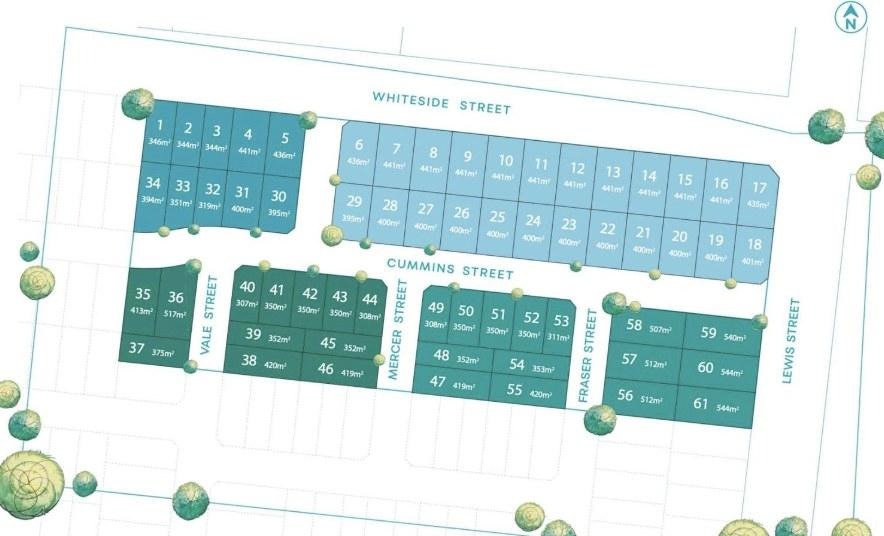
Melbourne is growing north, and few places capture that story as clearly as Beveridge. Once a quiet township on the Hume Freeway, it now sits at the leading edge of one of Victoria’s fastest-expanding growth corridors. Land that was farmland a generation ago is being transformed into the streets, parks and homes of new communities, […]
How the Nexus Wealth Fund Works: Equity, Income Stream and Absolute Return

How the Nexus Wealth Fund Works: Equity, Income Stream and Absolute Return Most property investors face a choice that is more limiting than it first appears. They can buy a single asset directly, which concentrates their capital and their risk in one location and one stage of the property cycle, or they can buy into […]
How to Evaluate a Property Developer Before You Invest

Before you invest with any property developer, ask them this: not one question, but a structured set of them. Property development can build real wealth, but it concentrates risk in the hands of the people running the project. The single most important decision an investor makes is not which project to back; it is which […]