

Government-backed rental income combined with double-digit yields creates compelling investment proposition rarely found in traditional property.
Investors evaluating SDA homes in Melbourne discover fundamentally different risk-return profile compared to standard residential investment. National Disability Insurance Agency (NDIA) pays Specialist Disability Accommodation funding directly to property owners, providing government-guaranteed income stream regardless of economic conditions. Combined with 10-15% gross yields (versus 3-4% standard residential), SDA homes Melbourne investment delivers returns typically associated with higher-risk assets whilst maintaining government-backed income security.
At Nexus Developments, our Nexus Care portfolio (Ashburton, Mentone Heights, Mentone Mews) demonstrates quality SDA investment combining premium locations, person-centred design exceeding minimum standards, and competitive investor returns. Our approach: participant outcomes drive property quality, which drives occupancy rates, which drives investor returns. This contrasts with compliance-minimum competitors sacrificing quality for marginal cost savings whilst experiencing higher vacancies and turnover.
This investor guide examines SDA return structures, government payment mechanisms, risk factors, location importance, quality versus compliance-minimum trade-offs, and how to evaluate SDA homes Melbourne investment opportunities.
Understanding SDA Returns: Yield Structure Explained

SDA homes Melbourne generate returns through Specialist Disability Accommodation payments paid by NDIA to property owners separately from participant rent.
SDA payment structure:
Participant pays: Reasonable rent contribution (typically $150-$250 weekly) covering basic accommodation costs similar to standard rental.
NDIA pays property owner: SDA payment ranging $30,000-$115,000 annually depending on SDA design category and location. This payment covers the additional property costs associated with specialist design, accessibility features, and purpose-built accommodation.
Total property income: Participant rent + NDIA SDA payment = Total annual income
Example: High Physical Support SDA in premium Melbourne location:
- Property value: $850,000
- Participant rent: $200 weekly ($10,400 annually)
- NDIA SDA payment: $95,000 annually
- Total income: $105,400 annually
- Gross yield: 12.4%
Note: All figures mentioned are well-researched estimates and should be independently verified. They are provided for illustrative purposes only.
After property management fees (7-10%), maintenance reserves (5-8%), vacancy allowance (5%), and other costs, net yields typically range 8-12% for well-located, quality-designed SDA homes Melbourne properties.
SDA Design Categories: Payment Differentials
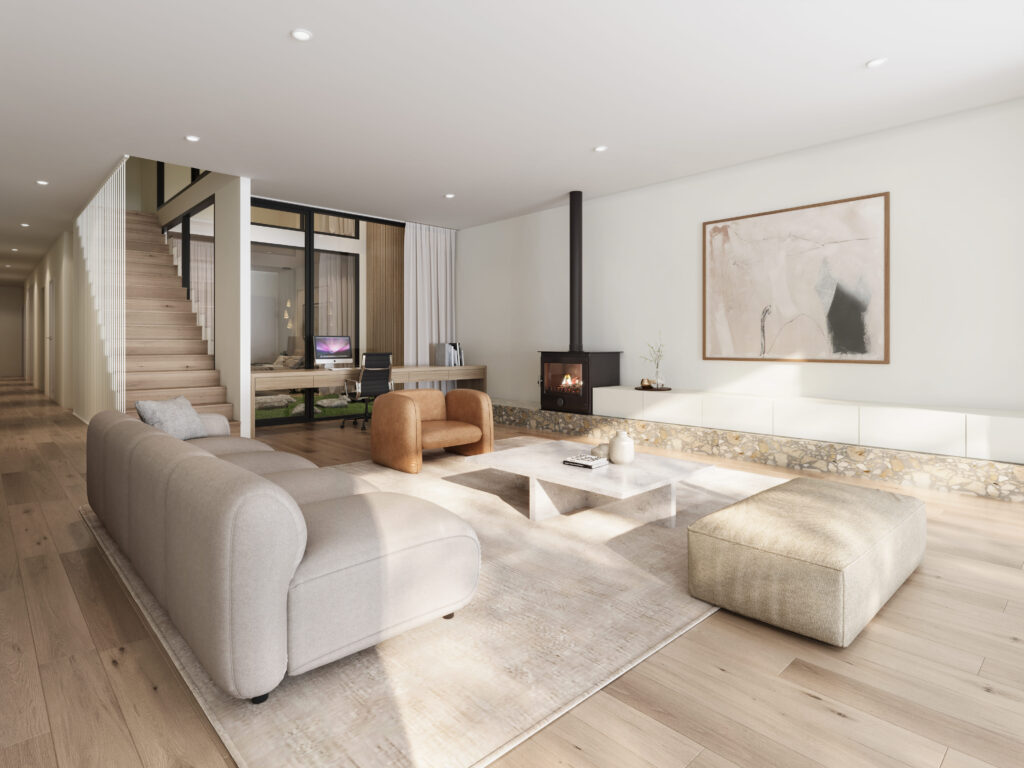
NDIA payment amounts vary substantially based on SDA design category, creating different investment return profiles.
Improved Liveability:
- Annual SDA payment: $30,000-$40,000
- Property cost: $450,000-$550,000
- Gross yield: 7-9%
- Design complexity: Low
- Target participants: Sensory/cognitive impairment
Fully Accessible:
- Annual SDA payment: $50,000-$65,000
- Property cost: $550,000-$700,000
- Gross yield: 9-11%
- Design complexity: Moderate
- Target participants: Wheelchair users, moderate physical support
Robust:
- Annual SDA payment: $65,000-$85,000
- Property cost: $650,000-$800,000
- Gross yield: 10-12%
- Design complexity: Moderate-high
- Target participants: Complex behavioural support needs
High Physical Support:
- Annual SDA payment: $85,000-$115,000
- Property cost: $750,000-$950,000
- Gross yield: 11-15%
- Design complexity: High
- Target participants: Substantial physical assistance requirements
Nexus Care specialises in High Physical Support category, accepting higher design complexity and construction costs for superior yields and addressing most severe accommodation shortage (20,000+ national gap, predominantly HPS participants).
Government-Backed Income: Risk Mitigation
Unlike private residential tenancies dependent on tenant employment and economic conditions, SDA homes Melbourne income flows from federal government regardless of economic cycles.
Traditional residential investment risks:
- Tenant job loss (cannot pay rent)
- Economic recession (rental market softens)
- Vacancy between tenants (lost income during advertising/screening)
- Rental arrears (collection challenges)
- Property damage (tenant-caused damage)
SDA investment risk mitigation:
- NDIA payments continue regardless of participant employment
- Economic downturns don’t affect NDIS funding (counter-cyclical stability)
- Participants rarely vacate quality SDA (severe shortage creates retention)
- Payment direct from NDIA (eliminates collection risk)
- Participant support workers minimise property damage
This government backing creates bond-like income security with equity-like returns, rare combination in property investment.
However, important qualification: Government backing applies to NDIA SDA payments only. Participant rent contribution remains private tenancy subject to standard rental risks. But participant rent represents only 10-15% of total income (majority comes from government-backed SDA payment).
Location Impact on Returns and Capital Growth
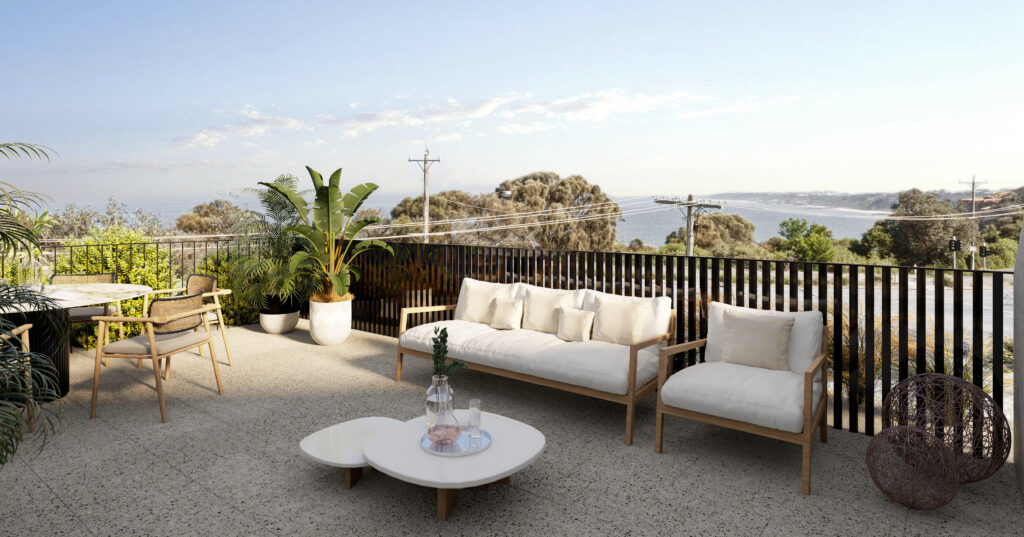
Premium locations command higher NDIA payment rates whilst delivering superior capital growth, creating dual return benefits.
NDIA location loadings:
- Premium Melbourne locations (inner/middle suburbs): 10-15% higher SDA payments
- Standard Melbourne locations (middle/outer suburbs): Base rate SDA payments
- Regional Victoria locations: 5-10% lower SDA payments
Example comparison:
- Mentone (Bayside, premium location): $105,000 annual SDA payment
- Pakenham (outer suburb, standard location): $88,000 annual SDA payment
- Differential: $17,000 annually favouring premium location
Additionally, premium locations deliver superior capital growth:
- Mentone 5-year growth: 8.5% annually
- Pakenham 5-year growth: 4.2% annually
Investors in premium-location SDA homes Melbourne properties capture both higher yields (government location loadings) AND stronger capital appreciation, whilst enabling better participant outcomes through community integration, public transport access, and employment opportunities.
Compliance-minimum developers prioritise outer suburbs maximising land cost savings. Quality developers prioritise premium locations recognising dual benefits: participant outcomes improve, investor returns strengthen through location premiums and capital growth.
Quality vs Compliance-Minimum: Impact on Returns
Design quality profoundly affects vacancy rates, participant retention, and long-term investor returns despite higher upfront costs.
Compliance-minimum SDA investment:
- Lower purchase price ($650,000)
- Higher vacancy rates (15-20% annually due to poor quality/location)
- Frequent participant turnover (dissatisfaction drives moves when alternatives exist)
- Higher maintenance costs (budget materials fail faster)
- Weaker capital growth (outer suburbs appreciate slower)
- Net yield after vacancies/costs: 6-8%
Quality SDA investment (Nexus Care approach):
- Higher purchase price ($850,000)
- Lower vacancy rates (5-8% annually, participants stay)
- Minimal turnover (quality properties retain satisfied participants)
- Lower maintenance costs (quality construction lasts)
- Stronger capital growth (premium locations appreciate faster)
- Net yield after vacancies/costs: 9-12%
Over 10-year holding period, quality SDA delivers superior total returns (yield + capital growth) despite 30% higher entry cost. The $200,000 additional investment generates approximately $30,000-$40,000 additional annual income whilst appreciating faster.
Investors prioritising long-term total returns should evaluate quality SDA homes Melbourne properties despite higher upfront costs. Those prioritising entry price minimisation accept lower yields, higher vacancies, and weaker capital appreciation.
NDIS Sustainability and Policy Risk
Investors evaluating SDA homes Melbourne must consider NDIS scheme sustainability and potential policy changes affecting returns.
Sustainability supporting evidence:
- Bipartisan political support (both major parties committed)
- Growing participant numbers (600,000+ currently, expanding)
- Severe SDA shortage (20,000+ participants need housing, 13,000 properties exist)
- Demographic trends (aging population, increased disability identification)
- Economic efficiency (SDA enables independent living versus institutional care)
Potential policy risks:
- SDA payment rate reductions (government cost containment)
- Design category requirement changes (affecting property compliance)
- Participant eligibility tightening (reducing tenant pool)
- Funding model restructuring (changing payment mechanisms)
Historical evidence suggests government more likely to tighten future SDA property standards (requiring higher quality) than reduce payments, because underfunding creates political backlash from disability advocacy groups. This scenario favours quality SDA exceeding current minimums (remains compliant through requirement increases) versus compliance-minimum properties potentially requiring expensive retrofits.
Investors should view SDA as 15-25 year hold aligning with participant long-term housing needs. Over this timeframe, NDIS sustainability appears robust given bipartisan support, shortage severity, and demographic drivers.
Tax Considerations and Negative Gearing
SDA homes Melbourne investment creates different tax profile compared to negatively-geared residential property.
Standard residential investment (negatively geared):
- Rental income: $25,000 annually
- Expenses (interest, rates, maintenance): $35,000
- Negative cash flow: -$10,000 annually
- Tax benefit: Offset against other income reducing tax
SDA investment (positively geared):
- Total income (rent + SDA payment): $105,000 annually
- Expenses (interest, management, maintenance, insurance): $55,000
- Positive cash flow: +$50,000 annually
- Tax liability: Additional income taxed at marginal rate
SDA investment generates substantial positive cash flow rather than requiring annual top-ups common in residential property. This appeals to retirees seeking income or investors unable to sustain negative cash flow.
However, positive cash flow creates higher annual tax liability. Investors should model after-tax returns accounting for marginal tax rates. Self-managed super funds (SMSFs) investing in SDA benefit from concessional 15% tax rate on rental income, making SDA particularly attractive within SMSF structures.
Depreciation on purpose-built SDA properties (substantial due to specialist equipment, hoists, fixtures) provides significant tax deductions offsetting income tax liability on positive cash flow.
Nexus Care Investment Opportunity
Nexus Care properties demonstrate quality SDA investment combining participant outcomes with competitive investor returns.
Ashburton (10 units):
- Premium Eastern suburbs location
- High Physical Support design category
- Gross yields: 11-13%
- Strong capital growth location
- Full occupancy maintained
Mentone Heights (9 units):
- Bayside coastal location
- High Physical Support design category
- Gross yields: 12-14%
- Premium location loadings
- Participant waiting list
Mentone Mews (15 units):
- Expanded Mentone capacity
- High Physical Support design category
- Gross yields: 11-13%
- Proven location demand
- Quality construction standards
These properties accept higher land costs and exceeding-minimum design because participant outcomes drive occupancy, occupancy drives returns, and quality properties outperform compliance-minimum alternatives over investment timeframes.
Evaluating SDA homes Melbourne investment opportunities? Explore Nexus Care properties delivering government-backed income, double-digit yields, and person-centred design. Contact Nexus Developments to discuss investment opportunities and property tours.