

What happens when 20,000 Australians need purpose-built homes, but only 13,000 properties exist nationwide?
Australia’s NDIS housing shortage represents one of our most urgent housing crises. Over 20,000 NDIS participants require Specialist Disability Accommodation (SDA), purpose-built properties designed for people with extreme functional impairment or very high support needs. Yet current supply sits at approximately 13,000 properties, leaving a 7,000+ dwelling gap.
This isn’t market shortage that prices resolve. NDIS housing requires specific design standards, accessibility features, and location characteristics many developers avoid due to complexity and specialised requirements. At Nexus Developments, our Nexus Care portfolio delivers 34 purpose-built SDA units across Melbourne’s premium locations: Ashburton, Mentone Heights, and Mentone Mews.
According to the Summer Foundation’s 2024 SDA Supply Report, the SDA shortage forces NDIS participants into unsuitable housing including aged care facilities, family homes without accessibility, or institutionalised settings contradicting the NDIS’s independent living philosophy.
This article explains the shortage, design requirements differentiating SDA from standard properties, and why quality-focused developers like Nexus prioritise participant outcomes over minimum compliance.
Understanding the 20,000-Property Gap
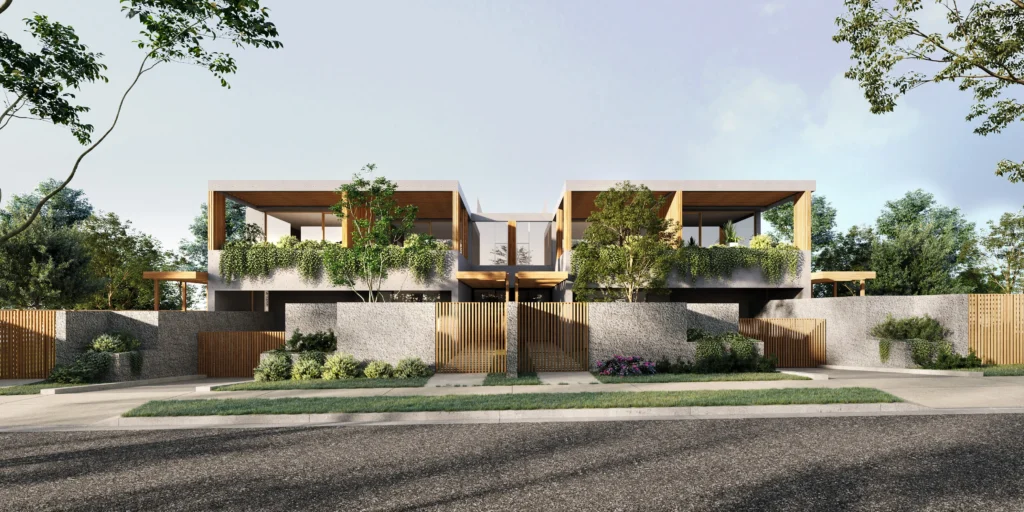
The National Disability Insurance Scheme supports approximately 600,000 Australians with significant disability. Within this group, roughly 30,000 participants qualify for Specialist Disability Accommodation funding, housing designed for people requiring substantial environmental modifications or assistive technology.
Current supply breakdown:
- Total SDA dwellings nationwide: Approximately 13,000
- Participants requiring SDA: Approximately 30,000
- Current shortage: 17,000+ properties
Note: All figures mentioned are well-researched estimates and should be independently verified. They are provided for illustrative purposes only.
Victoria’s shortage represents approximately 5,000 properties. Melbourne alone needs 3,000+ additional units to meet participant demand.
Why the shortage persists despite NDIS funding:
Development complexity: SDA properties require occupational therapist input, specialised design features, and NDIS Quality and Safeguards Commission registration. Many developers avoid this complexity.
Location requirements: Properties must be well-located near public transport, shops, medical services, and community facilities. Premium locations increase land costs whilst SDA price limits constrain revenues.
Design standards exceed minimum code: Robust High Physical Support (RHPS) properties require wider doorways, ceiling hoists, height-adjustable fixtures, and reinforced walls. These features cost 15-20% more than standard construction.
Misaligned incentives: Some providers prioritise regulatory compliance minimums over participant outcomes, delivering technically compliant but poorly designed properties.
Nexus Care addresses these barriers through person-centred design philosophy prioritising participant independence, dignity, and community integration.
What Makes SDA Different: Design Requirements
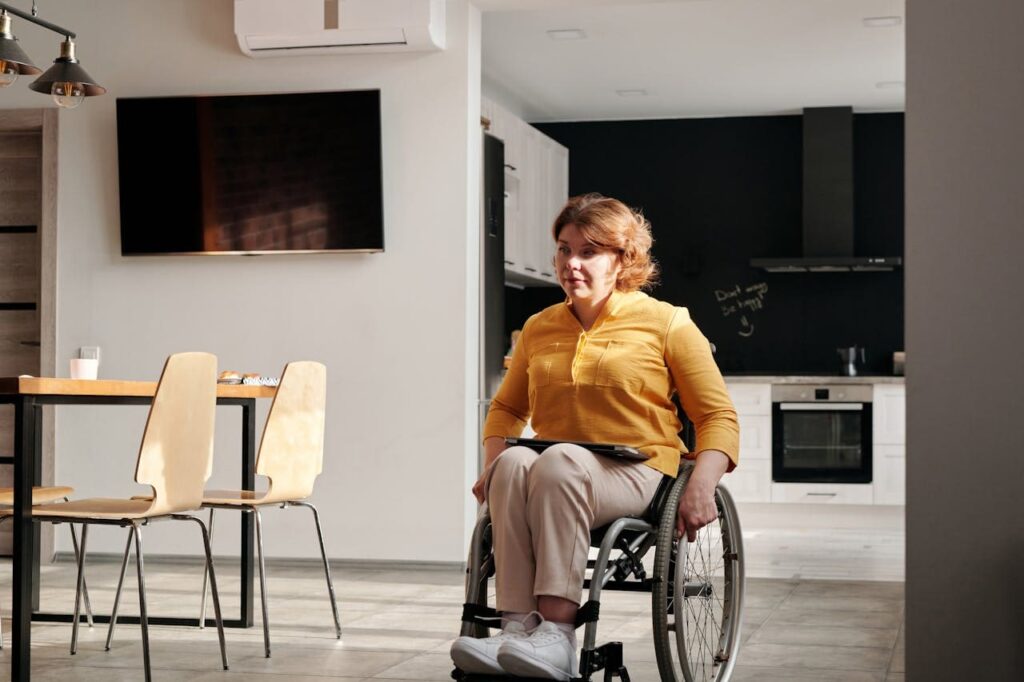
Specialist Disability Accommodation isn’t standard housing with ramps added. It’s purpose-designed environment enabling independence for people with significant disability.
SDA design categories:
Improved Liveability: Basic accessibility features for participants with sensory, intellectual, or cognitive impairment. Nexus focuses on higher-specification categories.
Fully Accessible: Wheelchair accessible throughout with widened doorways, accessible bathrooms, and wheelchair-height fixtures.
Robust: Designed for participants whose behaviour may damage property. Reinforced walls, impact-resistant fittings, and durable materials.
High Physical Support: For participants requiring substantial physical assistance. Includes ceiling hoists, height-adjustable kitchens/bathrooms, and accessible outdoor areas. This is Nexus Care’s specialisation.
Key design features in Nexus Care properties:
Ceiling hoist systems: Transferring participants from bed to bathroom to living areas safely without manual lifting. Hoists require reinforced ceiling structures designed during construction, not retrofitted.
Wheelchair circulation: 1,550mm circulation space versus standard 900mm corridors. This allows wheelchair users navigating independently plus carers assisting simultaneously.
Height-adjustable fixtures: Kitchen benches, bathroom vanities, and storage adjusting to individual participant heights. This enables independence for wheelchair users at appropriate working heights.
Accessible outdoor areas: Level thresholds, wide pathways, and accessible gardens supporting outdoor activity. Many SDA properties ignore outdoor accessibility, limiting participants to indoor-only living.
Visual and tactile wayfinding: Clear sight lines, colour contrast, and tactile indicators assisting participants with vision or cognitive impairment navigating homes independently.
These features cost substantially more than standard construction but fundamentally improve participant quality of life.
Location Matters: Community Integration Philosophy

The NDIS’s founding principle is supporting people with disability living in community, not segregated institutions. Location determines whether this succeeds.
Nexus Care deliberately selects premium Melbourne locations:
Ashburton (10 units): Eastern suburbs location near Alamein train line, High Street shops, medical centres, and parklands. Participants access community independently via public transport.
Mentone Heights (9 units): Bayside location close to Mentone station, shops, beaches, and recreational facilities. Coastal lifestyle access often assumed unavailable to people with disability.
Mentone Mews (15 units): Additional Mentone capacity expanding quality SDA supply in high-demand location.
These locations cost significantly more than outer suburbs or regional areas. Nexus accepts lower margins prioritising participant outcomes. People with disability deserve premium locations enabling full community participation, not cheap land in isolated areas.
Quality vs Compliance: The Minimum Standards Problem
Some providers build to minimum compliance, delivering technically registered properties that poorly serve participants.
Compliance-minimum approach:
Build cheapest SDA meeting bare registration requirements. Locate in low-cost outer suburbs. Maximise units per site regardless of privacy or dignity. Cut corners on finishes, fixtures, and amenity. Prioritise investor returns over participant outcomes.
Nexus Care quality approach:
Design exceeds minimum standards. Premium locations support community access. Limit units per site maintaining residential character. Quality fixtures, finishes, and materials. Participant independence and dignity prioritised.
This quality commitment costs more but delivers housing participants genuinely want to live in rather than settle for due to limited choice.
Independent occupational therapist reviews of Nexus Care properties consistently rate design quality and functionality above industry averages. This validation confirms our person-centred approach succeeds.
The Investment Case: Government-Backed Returns
NDIS housing provides investors government-backed rental income through SDA payments covering property costs.
SDA payments (approximate annual per participant):
- Improved Liveability: $30,000-$40,000
- Fully Accessible: $50,000-$65,000
- Robust: $65,000-$85,000
- High Physical Support: $85,000-$115,000
Note: All figures mentioned are well-researched estimates and should be independently verified. They are provided for illustrative purposes only.
These payments flow directly from National Disability Insurance Agency to property owners, providing stable government-backed income. Unlike private rentals dependent on tenant employment, SDA payments continue regardless of economic conditions.
Gross yields typically range 10-15% for well-designed, well-located SDA properties. After property management, maintenance, and vacancies, net yields settle at 8-12%.
For investors seeking purpose-driven returns, NDIS housing delivers competitive income whilst addressing critical social need.
Nexus Care Portfolio: 34 Units Addressing Shortage
Our current portfolio delivers:
Ashburton (10 units): High Physical Support SDA in premium Eastern suburbs location. Close to public transport, shops, and community facilities.
Mentone Heights (9 units): Bayside lifestyle access for NDIS participants. Beach proximity and recreational facilities.
Mentone Mews (15 units): Expanded Mentone capacity meeting strong demand in sought-after location.
These 34 units represent meaningful contribution when Melbourne needs 3,000+ additional properties. If 100 developers delivered similar portfolios, Victoria’s shortage would resolve within five years.
Looking Ahead: Expanding Quality Supply
Victoria’s 5,000-property SDA shortage requires sustained development effort across next 5-7 years. Nexus is actively acquiring sites for additional delivery in premium Melbourne locations.
Our Project Management services also enable landowners and investors partnering with Nexus delivering quality SDA without requiring developer expertise themselves.
Addressing the 20,000-participant shortage demands commitment from quality-focused developers prioritising participant outcomes over minimum compliance and maximum profit.
Interested in quality NDIS housing in premium Melbourne locations? Explore Nexus Care’s Ashburton, Mentone Heights, and Mentone Mews properties delivering High Physical Support SDA for participants and competitive government-backed returns for investors. Nexus also offers Project Management services and Land Lease options for expanding quality SDA supply. Contact info@nexusdevelopments.com.au or call +61 3 9460 1865.