

Can property developers be part of the housing crisis solution, or are we only contributing to the problem?
The National Housing Accord challenges this question directly. Australia needs 1.2 million new build homes in Melbourne and across the nation by 2029 to address the housing shortage driving prices beyond reach and forcing families into housing stress. Achieving this target requires builders delivering 240,000 homes annually, yet current delivery sits at 180,000, leaving a 60,000-home annual shortfall.
At Nexus Developments, our development portfolio contributes 600+ dwellings across Melbourne, Geelong, and Regional Victoria. This isn’t token contribution; it’s deliberate commitment to housing supply across six property sectors serving diverse community needs. Our residential developments, NDIS specialist disability accommodation, childcare centres, and retirement villages all address different segments of the housing crisis.
According to the Australian Government’s National Housing Accord, reaching the 1.2 million target requires coordinated effort from federal government, state governments, local councils, and private developers.
This article examines the National Housing Accord targets, Victoria’s progress, and how Nexus’s multi-sector development model addresses housing shortage across affordability levels.
Understanding the 1.2M Target: Breaking Down the Numbers

The National Housing Accord established July 2022 commits Australia to 1.2 million well-located homes by 2029, approximately 171,000 annually for seven years.
State-by-state breakdown (annual targets):
- New South Wales: 77,600 homes annually
- Victoria: 77,600 homes annually
- Queensland: 57,000 homes annually
- Western Australia: 31,500 homes annually
- South Australia: 19,400 homes annually
- Other states/territories: 7,900 homes annually
Victoria’s 77,600 annual target requires doubling current delivery rates. Victoria delivered approximately 48,000 dwellings in 2024, just 62% of target. This 29,600-home annual shortfall compounds yearly, worsening the housing crisis rather than resolving it.
For new builds across Melbourne and regional areas to close this gap, developers must dramatically increase output whilst governments accelerate planning approvals, release land, and fund infrastructure enabling development.
Where Nexus’s 600 Dwellings Fit: Multi-Sector Contribution
Single-sector developers building only detached houses or only apartments cannot address diverse housing needs. Nexus’s 600-dwelling portfolio spans six sectors serving different demographics and price points.
Residential subdivisions (Armstrong Creek, Beveridge): 215 house and land lots targeting first home buyers and young families. Priced $550,000-$750,000, these address affordable family housing shortage in growth corridors through our Armstrong Grove and Allemore estates.
Premium coastal townhomes (Black Rock, Brighton, Mentone): 15 townhomes providing downsizer and lifestyle options for empty nesters. Releasing family homes to market as retirees downsize creates supply indirectly.
NDIS specialist disability accommodation (Ashburton, Mentone): 34 purpose-built units addressing severe shortage of accessible housing for NDIS participants. National gap exceeds 20,000 properties.
Childcare centres (Numurkah, Eaglehawk): 190 early education places enabling workforce participation. Without childcare, parents cannot work, reducing household incomes and housing affordability.
Seniors living (Shepparton): 90 resort-style homes for 55+ retirees. Providing quality regional retirement options retains retirees locally, preventing them selling family homes to Melbourne buyers and tightening supply.
Project Management and Land Lease services: Enabling landowners and investors to participate in housing delivery through flexible development partnerships.
This diversity ensures Nexus contributes across housing spectrum, not just luxury or just affordable, but addressing multiple housing needs simultaneously.
Note: All figures mentioned are well-researched estimates and should be independently verified. They are provided for illustrative purposes only.
Victoria’s Housing Shortfall: Why We’re Falling Behind
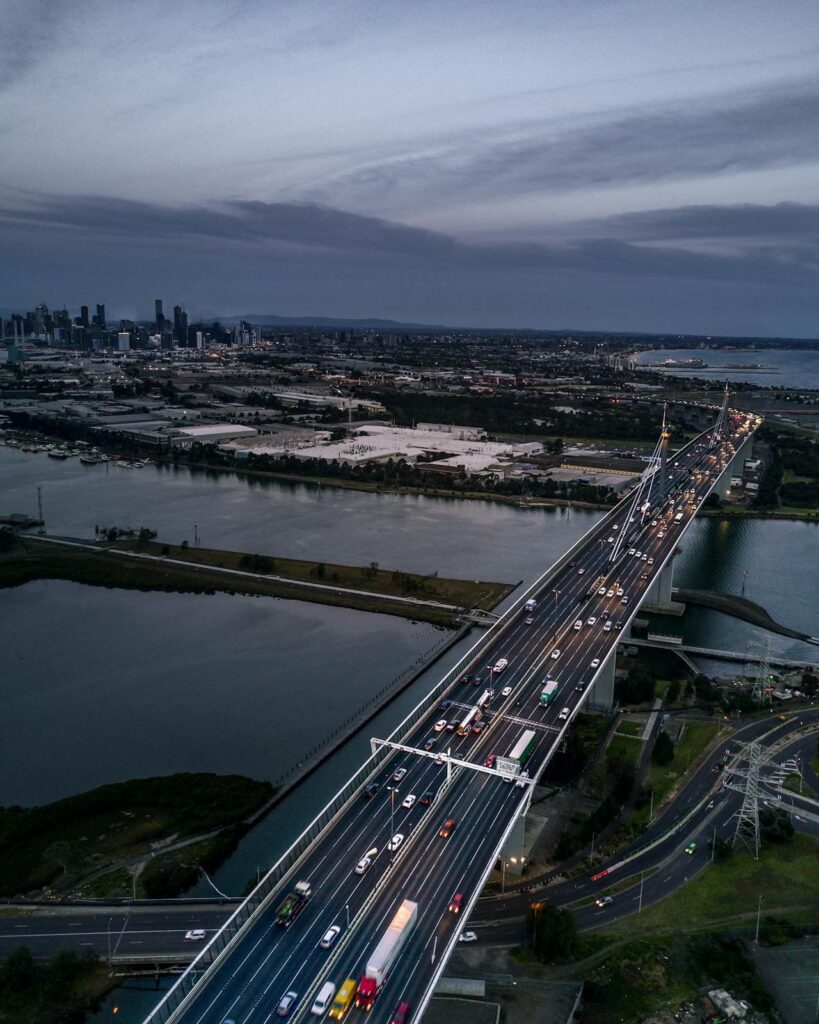
Victoria delivered 48,000 dwellings in 2024 against 77,600 annual target. Why the 38% shortfall?
Planning approval delays: Average residential subdivision approval takes 18-24 months in growth corridors. Protracted council processes and objection periods delay projects years.
Infrastructure coordination gaps: Developers cannot release lots until water, sewerage, roads, and electricity connect. Government infrastructure delivery lags development readiness.
Construction workforce shortages: Skilled trades shortages limit building capacity. Even with approved projects and infrastructure, insufficient workers delay delivery.
Materials cost inflation: Timber, steel, and concrete costs increased 30-40% post-2020, reducing development feasibility. Some projects pause when costs exceed projected revenues.
Interest rate impacts: Higher borrowing costs reduce buyer borrowing capacity, slowing sales and cash flow funding construction.
These systemic barriers prevent even committed developers from maximising output. Nexus navigates these challenges through 20 years experience, but industry-wide constraints limit total delivery regardless of individual developer efforts.
Developer Responsibility: Beyond Profit Maximisation
Property developers face legitimate criticism: speculation, land banking, prioritising luxury over affordability, extracting profit without community contribution.
Nexus deliberately operates differently. Our IABCA 2023 dual finalist recognition for Trade & Investment AND Community Services demonstrates profit and purpose alignment.
How we approach responsibility:
Diverse price points: From $550,000 house and land packages to premium coastal townhomes, we serve multiple affordability levels, not just luxury.
Essential services: NDIS housing, childcare centres, and seniors living address community needs beyond housing alone. These facilities enable people to live with dignity, work, and age in place.
Regional development: Investing in Shepparton, Numurkah, and Eaglehawk brings housing and employment to areas metropolitan developers ignore. Our 70+ permanent regional jobs demonstrate commitment beyond construction.
Sustainability standards: 7-8 star energy ratings across all residential projects reduce ongoing costs 30-40%, improving housing affordability through lower bills, not just lower purchase prices.
CSR commitment: JGI Group partnership funding literacy for disadvantaged children globally shows values extending beyond Australian housing market.
These choices cost money. Regional projects have lower margins than metropolitan, NDIS properties require specialised design, sustainability exceeds minimum standards. But addressing housing crisis requires developers contributing solutions, not maximising profits whilst ignoring community needs.
What Government Must Do: Enabling Faster Delivery
Developers cannot solve housing shortage alone. Government action at federal, state, and local levels must accelerate.
Planning reform: Streamline approval processes from 18-24 months to 6-12 months. Pre-approve growth corridor master plans rather than assessing each subdivision individually.
Infrastructure investment: Coordinate water, sewerage, roads, and electricity delivery with development timelines. Developers cannot release lots until infrastructure connects.
Workforce development: Invest in trades training addressing construction workforce shortages. Current skills gaps limit building capacity regardless of project approvals.
First home buyer support: Expand Help to Buy scheme and other assistance enabling buyers to purchase new builds. Demand drives construction activity.
Construction cost mitigation: Stabilise materials costs through domestic manufacturing incentives and supply chain improvements.
The National Housing Accord requires genuine partnership between government and private developers. Government creates enabling environment, developers deliver housing.
Nexus’s Contribution Across Six Sectors
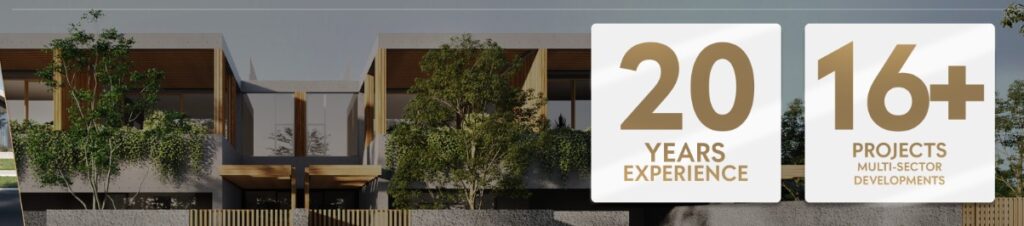
Our 600-dwelling contribution spans:
145 lots Armstrong Creek (Armstrong Grove 75 lots, Allemore 70 lots) for first home buyers and families
70 lots Beveridge for growth corridor expansion
15 premium coastal townhomes for downsizers and lifestyle buyers
34 NDIS units providing specialist disability accommodation
190 childcare places enabling workforce participation
90 retirement village homes for regional seniors living
This represents meaningful contribution when hundreds of developers contribute similarly across Victoria.
Looking Ahead: 2026-2029 Delivery
Nexus’s 600-dwelling portfolio delivers progressively 2026-2029 across our residential, NDIS, childcare, and retirement village projects. Beyond these 600 dwellings, we’re acquiring land for 2027-2030 delivery targeting additional housing across multiple sectors.
Victoria needs every developer maximising output. Our 600 dwellings represent meaningful contribution when hundreds of developers contribute similarly across the state.
Interested in Nexus’s contribution to housing supply? Explore residential subdivisions, premium townhomes, NDIS housing, and retirement villages addressing diverse housing needs. Nexus also offers Project Management services and Land Lease options for landowners seeking development partnerships. Contact info@nexusdevelopments.com.au or call +61 3 9460 1865.